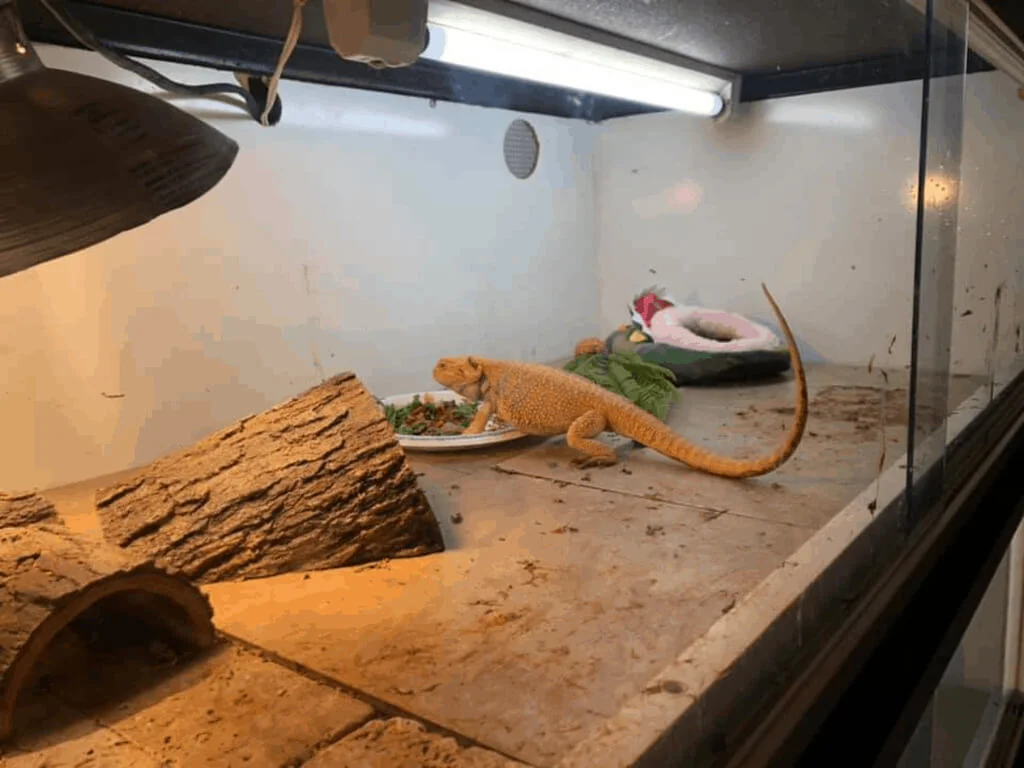
Creating the Ideal Bearded Dragon Habitat
Providing a well-designed habitat is paramount to the health and happiness of your bearded dragon. These fascinating reptiles thrive in environments that mimic their natural desert and semi-arid habitats. A properly set up enclosure isn’t just about aesthetics; it is crucial for their physical and psychological wellbeing. The layout directly impacts their ability to thermoregulate, exercise, and exhibit natural behaviors. Furthermore, a thoughtful habitat design helps in preventing common health issues such as metabolic bone disease, obesity, and stress-related illnesses. By understanding their needs and creating an enriching environment, you will be able to give your bearded dragon the best life possible. Remember, a happy bearded dragon is a healthy bearded dragon!
Understanding Bearded Dragon Movement Needs
Bearded dragons are active creatures that need ample space to move and explore. In the wild, they spend their days foraging, basking, and climbing. This active lifestyle is vital for their physical and mental health. Movement helps them maintain muscle mass, stimulate their digestive system, and reduce stress. A cramped habitat can lead to lethargy, obesity, and boredom. Observing your bearded dragon’s behavior is key; if they are constantly trying to escape the enclosure or seem listless, it’s often a sign that their environment doesn’t meet their movement needs. Therefore, the layout should promote exploration and provide opportunities for exercise, ensuring your pet remains active and engaged.
Importance of Space for Exercise
Adequate space is fundamental for a healthy bearded dragon. Exercise is essential to prevent obesity and maintain proper muscle tone. A spacious enclosure allows them to move freely, explore different areas, and engage in natural behaviors like basking under a heat lamp, climbing, and foraging for food. It’s crucial to provide an environment that encourages physical activity; a larger tank allows for the inclusion of climbing branches, rocks, and other enriching elements that stimulate movement. Without enough space, bearded dragons can become sedentary and develop health problems. Investing in a properly sized habitat from the start ensures a long, healthy, and active life for your pet. Consider the adult size of your dragon when choosing an enclosure.
Essential Habitat Layout Components
A well-designed habitat includes several key components working in harmony. The enclosure itself should be made of glass or a similar transparent material to allow for proper observation and ventilation. The substrate should be safe and appropriate, such as reptile carpet, paper towels, or a bioactive substrate mix. Temperature gradients are crucial, with a warm basking spot (around 100-110°F or 37-43°C) and a cooler side to allow thermoregulation. Lighting, including a UVB light source and a basking lamp, is indispensable for their health. Provide multiple hiding spots to reduce stress and create a sense of security. Include climbing branches, rocks, and other objects to encourage activity and mental stimulation. Finally, ensure access to fresh water and a food dish that is easily accessible.
Choosing the Right Tank Size

The size of your bearded dragon’s enclosure is one of the most critical factors. A juvenile bearded dragon can start in a 40-gallon breeder tank, but they will quickly outgrow it. For an adult bearded dragon, a minimum size of a 4ft x 2ft x 2ft (120 gallons) enclosure is highly recommended. This provides ample space for movement, basking, and exploration. Larger enclosures are even better, as they allow for more complex layouts and enrichment opportunities. The right tank size will allow you to create adequate temperature gradients and ensure the dragon has room to exercise. Prioritize the adult size of your dragon when selecting the enclosure, as it will save you from having to upgrade later, which can be stressful for your pet. Consider the layout plan from the start to avoid overcrowding.
Optimizing Substrate and Floor Space
The substrate plays a significant role in the habitat’s functionality and your bearded dragon’s well-being. Avoid loose substrates like sand, especially for young dragons, as they can ingest it, leading to impaction. Safe options include reptile carpet, paper towels, tile, or a bioactive substrate mix. Reptile carpet is a good choice for its ease of cleaning and maintenance. Paper towels are convenient and allow easy monitoring of waste. If you opt for a bioactive substrate, make sure to choose one appropriate for bearded dragons and that it includes a drainage layer and beneficial organisms. Ensure that the substrate allows for easy cleaning and the proper absorption of liquids and debris. Maintain a clean substrate to prevent bacterial growth and ensure hygiene.
Adding Climbing Structures


Climbing structures are an excellent way to promote exercise and provide enrichment. Bearded dragons love to climb, and the addition of branches, rocks, and platforms within the enclosure encourages this natural behavior. Position climbing structures to provide access to different temperature zones, including the basking spot. Ensure the structures are sturdy enough to support the dragon’s weight and are made of safe materials that won’t splinter or release harmful toxins. Vary the heights and positions of the climbing structures to provide varied levels of exercise and exploration. This also gives them the option to choose the height that best suits their thermoregulation needs. Regular placement changes can help keep the environment stimulating and prevent boredom.
Placement of Basking and UV Lights
Proper lighting is crucial for your bearded dragon’s health, and the layout of these elements is critical. The basking lamp should be positioned to create a warm basking spot with a temperature around 100-110°F (37-43°C). The UVB light should be placed according to the manufacturer’s recommendations to provide optimal UVB exposure. The placement of the basking lamp and UVB light must allow for a temperature gradient, with a cooler side for thermoregulation. Ensure there is an adequate distance between the lights and your dragon to avoid burns. Use a digital thermometer to check the basking spot’s temperature and make adjustments as needed. Regularly replace UVB bulbs, as their effectiveness diminishes over time. Correct lighting placement and maintenance are vital for vitamin D3 synthesis, calcium absorption, and overall health.
Strategic Food and Water Placement
Thoughtful placement of food and water bowls enhances your bearded dragon’s feeding habits and hydration. Place the food dish in a convenient location, preferably on the cooler side of the enclosure, away from the basking spot. This helps keep the food fresher longer. Make sure the water dish is easily accessible and placed in a spot where it won’t be easily tipped over. Keep both the food and water dishes clean and refilled regularly. For added enrichment, you can vary the food placement, encouraging foraging behavior by placing insects in different areas. This mimics their natural hunting instincts and provides mental stimulation. Always monitor your dragon’s water intake and ensure it has fresh, clean water available at all times.
Encouraging Exploration and Enrichment


Enrichment is key to preventing boredom and promoting a happy, active lifestyle. Provide a variety of elements to stimulate exploration and natural behaviors. Add climbing branches, rocks, and hides. Change the layout of the enclosure regularly to keep your bearded dragon engaged. Introduce new items, such as different types of rocks or branches. You can also introduce safe, non-toxic toys designed for reptiles. Supervised time outside of the enclosure is another great enrichment method, allowing your bearded dragon to explore new environments. Rotating the placement of items in the habitat can also encourage them to explore and maintain their interest. Always monitor your dragon to ensure their enrichment is safe and doesn’t cause stress.

Conclusion
Creating a well-designed habitat for your bearded dragon is an investment in their health and happiness. By focusing on space, enrichment, and strategic layout, you can ensure your pet leads a full and active life. Remember to prioritize a suitable tank size, safe substrates, appropriate lighting, and ample opportunities for exercise. A happy, healthy bearded dragon is a rewarding pet. Enjoy the process of setting up and maintaining a thriving environment, and your bearded dragon will surely thrive.