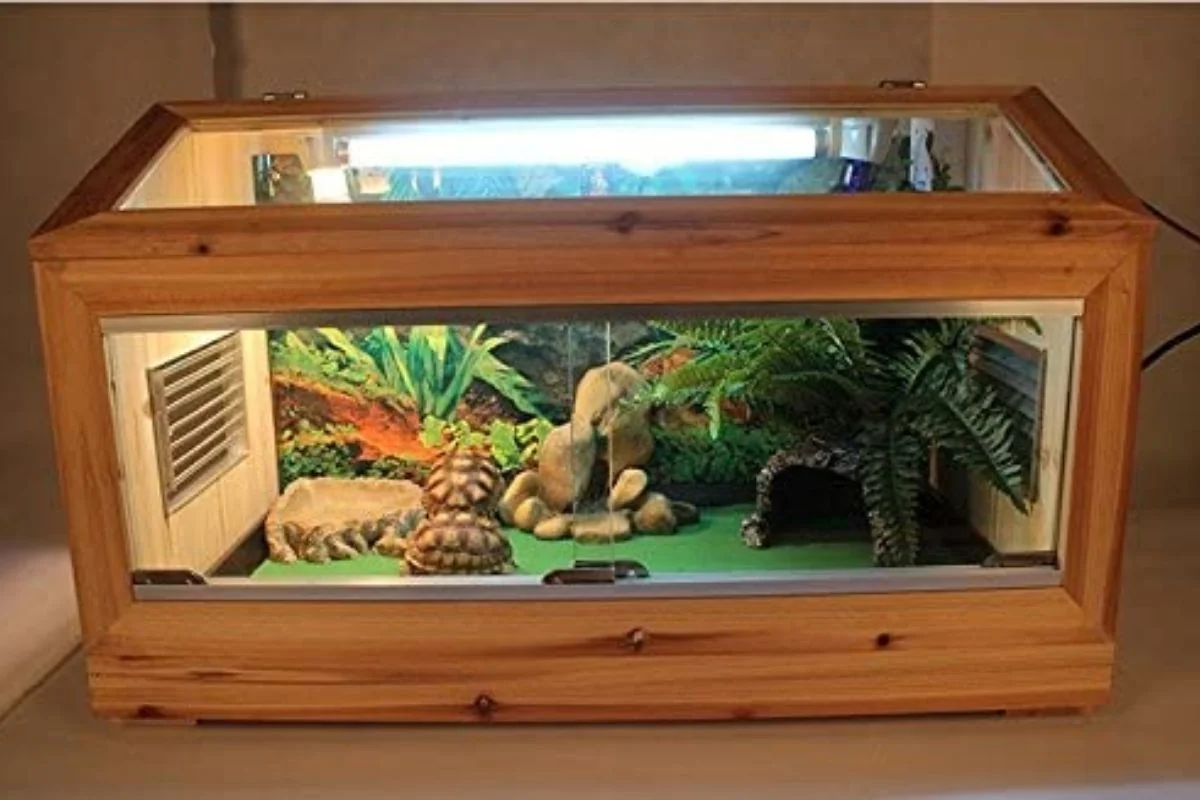
Planning Your Bearded Dragon Habitat Layout
Creating the ideal habitat for your bearded dragon is crucial for their health, happiness, and longevity. A well-planned layout not only provides a comfortable and stimulating environment for your pet but also makes maintenance significantly easier. This guide provides essential steps and tips for setting up a bearded dragon habitat that balances the needs of your reptile with your own convenience. The layout should mimic their natural environment as much as possible, creating a space where your bearded dragon can thrive. By considering factors like tank size, substrate, heating, lighting, and enrichment, you can build a habitat that is both visually appealing and practical for daily care. Remember that a happy dragon is a healthy dragon, and a well-designed habitat is the foundation of their well-being. Careful planning and execution from the beginning will save you time and effort down the line, ensuring a positive experience for both you and your pet.
Choosing the Right Tank Size for Your Bearded Dragon
Tank size is one of the most critical considerations when setting up a bearded dragon habitat. Providing enough space ensures your dragon has room to move around, bask, and regulate its body temperature properly. A cramped habitat can lead to stress, health issues, and behavioral problems. The size of the tank should always be appropriate for the age and size of your bearded dragon. A larger tank provides a more stimulating environment and allows for better temperature gradients, which are essential for their health.

Tank Size Recommendations for Different Life Stages
For a juvenile bearded dragon (under 12 months), a 40-gallon breeder tank (36x18x18 inches) is generally sufficient. This size provides enough space for them to move around and explore without feeling overwhelmed. As your bearded dragon grows, they will need a larger enclosure. Adult bearded dragons (over 12 months) should be housed in a minimum of a 75-gallon tank (48x18x21 inches). However, a larger enclosure, such as a 120-gallon tank (48x24x24 inches or larger), is highly recommended as it provides more space for activities and better temperature control. Always prioritize horizontal space over vertical space, as bearded dragons are primarily terrestrial animals.

Essential Substrate Options for Easy Cleaning
The substrate you choose for your bearded dragon’s habitat plays a significant role in hygiene and ease of maintenance. The ideal substrate should be easy to clean, non-toxic, and safe for your dragon to interact with. Avoid substrates that can harbor bacteria or pose a risk of impaction if ingested. Proper substrate selection is a key component of maintaining a healthy habitat, reducing the risk of illness, and making your daily care routine more efficient. Consider both the immediate cleaning needs and the long-term health implications of your choice.
Pros and Cons of Popular Substrate Choices
Paper towels are a cost-effective and easy-to-clean substrate, making them a great choice for quarantine or temporary setups. They are non-toxic and easy to replace, minimizing the risk of bacterial growth. However, they are not aesthetically pleasing and don’t allow for digging behavior. Reptile carpet is another option, offering a more natural look and is reusable. It can be easily removed and washed. The downside is that it can harbor bacteria if not cleaned regularly. Loose substrates such as washed play sand or a bioactive mix offer more natural enrichment, allowing the dragon to dig and explore. These substrates can be more challenging to maintain and require careful monitoring to avoid impaction if ingested. A bioactive substrate includes beneficial microorganisms that can break down waste, reducing the need for frequent cleaning.
Setting Up the Perfect Heating and Lighting
Bearded dragons are ectothermic reptiles, meaning they rely on external sources to regulate their body temperature. Proper heating and lighting are therefore crucial for their survival and well-being. This includes creating a thermal gradient within the habitat to allow the dragon to thermoregulate, along with providing UVB light to synthesize vitamin D3 and promote bone health. A well-designed heating and lighting setup not only promotes physical health but also influences their behavior and activity levels. Incorrect settings can lead to serious health problems, including metabolic bone disease and digestive issues. It’s essential to research and understand the specific requirements for your bearded dragon, adjusting the setup as needed based on its age and health.
Importance of Proper Heating and Lighting
A proper heating setup is vital for digestion, metabolism, and overall health. Providing a basking spot with the correct temperature allows the dragon to regulate its body temperature efficiently. UVB lighting is essential for synthesizing vitamin D3, which is crucial for calcium absorption and preventing metabolic bone disease. These two elements are inextricably linked, as the dragon needs both heat and UVB to thrive. Without the right balance, the dragon cannot properly process nutrients, leading to serious health complications.
Optimal Temperature Zones for Your Bearded Dragon

The basking spot should maintain a temperature of 95-110°F (35-43°C) for adults, with a gradient that allows them to move to cooler areas. The cool side of the tank should be around 75-85°F (24-29°C). Nighttime temperatures can drop to around 70°F (21°C). Use a digital thermometer with a probe to accurately monitor the temperature in different areas of the enclosure. Consistent monitoring helps you identify and correct any fluctuations that could stress your dragon. The temperature gradient is as important as the specific temperatures. It is also important to note that the use of a thermostat is highly recommended, so you can ensure that the temperature in the enclosure is maintained at a constant, safe level. Without this, fluctuations in temperature can be harmful.
UVB Lighting and Its Benefits
UVB lighting is critical for bearded dragons, and it should cover most of the enclosure. Choose a UVB bulb designed for reptiles, such as a T5 or T8 fluorescent bulb, and replace it every 6-12 months as per the manufacturer’s recommendations, as the UVB output decreases over time. Place the UVB bulb appropriately, according to the manufacturer’s specifications, to ensure the correct exposure levels. Do not place the UVB bulb behind glass or plastic, as these materials can filter out the beneficial UVB rays. Make sure the dragon has access to the UVB rays to synthesize vitamin D3. This, in turn, helps in the absorption of calcium, preventing metabolic bone disease. Proper lighting is key to preventing metabolic bone disease.
Creating a Functional and Beautiful Habitat
Beyond the basic necessities of tank size, substrate, and lighting, enriching your bearded dragon’s habitat with decor and environmental features promotes physical and mental well-being. A well-decorated habitat provides opportunities for exploration, exercise, and natural behaviors, making it a more stimulating and enjoyable environment for your pet. Adding the right elements not only improves the aesthetics of the enclosure but also mimics their natural habitat, which reduces stress and can improve the dragon’s overall quality of life. A well-designed setup contributes to a healthier, happier bearded dragon.

Essential Decor and Enrichment Items
Include items such as basking rocks, branches, and hides to provide opportunities for climbing, hiding, and thermoregulation. Hides are essential for security and reducing stress, allowing your dragon to retreat when feeling vulnerable. Branches and rocks offer opportunities for climbing and exercise, contributing to physical health. Consider adding a water bowl and a food bowl to ensure your dragon has access to fresh water and food. Provide a variety of textures and levels within the enclosure to stimulate your dragon. Changing the decor regularly also keeps the environment interesting and prevents boredom.
Food and Water Bowl Placement
Place food and water bowls in easily accessible locations. The water bowl should be shallow enough for your dragon to drink comfortably and positioned away from the basking area to prevent excessive evaporation. The food bowl should be placed in a location that is easy for your dragon to access, but not directly under the basking spot, as it can cause food to dry out too quickly. Ensure the bowl is easily cleaned and that the food doesn’t attract unwanted pests. Regularly check and clean the water bowl to prevent the growth of bacteria, and replace the water with fresh water daily.
Easy Maintenance Tips for a Clean Habitat
Maintaining a clean habitat is essential for your bearded dragon’s health. It is important to establish a cleaning routine that keeps the enclosure hygienic, prevents the buildup of bacteria, and minimizes the risk of disease. Regular cleaning not only benefits your dragon but also makes it easier for you to manage the habitat. A clean environment reduces the likelihood of illness and provides a more pleasant environment for both you and your pet.

Daily and Weekly Cleaning Routine
Daily spot cleaning involves removing visible waste, such as feces and uneaten food, and wiping up any spills. Regularly inspect the habitat for anything that needs immediate attention. Weekly cleaning includes spot cleaning, plus wiping down the interior surfaces of the enclosure with a reptile-safe disinfectant. Remove and clean any decor, such as hides and branches, thoroughly. Change the substrate according to its type and manufacturer’s instructions. This weekly deep clean ensures the environment remains hygienic. A consistent cleaning schedule maintains a sanitary environment that is essential for the health of the dragon.
Spot Cleaning vs. Full Tank Cleaning
Spot cleaning is an essential part of daily maintenance. Use reptile-safe disinfectants to clean any surfaces. Full tank cleaning is a more comprehensive process that typically involves removing all items from the tank, washing the enclosure with a reptile-safe cleaner, and replacing the substrate. It is necessary every few weeks, depending on the substrate and the cleanliness of the habitat. Always rinse everything thoroughly after cleaning and ensure the enclosure is completely dry before returning the decor and your dragon to the enclosure.
Health Benefits of a Clean Habitat

A clean habitat reduces the risk of bacterial infections, parasitic infestations, and respiratory issues. It also minimizes odors and creates a more pleasant living environment for both the dragon and the owner. Regular cleaning prevents the build-up of waste, which can attract pests and lead to health problems. Maintaining a clean habitat is one of the most effective ways to ensure your bearded dragon lives a long, healthy, and happy life.
Conclusion
Setting up and maintaining a bearded dragon habitat is a rewarding experience that ensures your pet’s health and happiness. From planning the layout to implementing a consistent cleaning routine, each step contributes to the well-being of your dragon. By choosing the right tank size, substrate, heating, lighting, and enrichment items, you’re creating a stimulating and comfortable environment. Remember that consistency is key. Regular maintenance and attention to detail will provide your bearded dragon with a healthy and fulfilling life. Enjoy the process of creating a perfect home for your scaly friend!