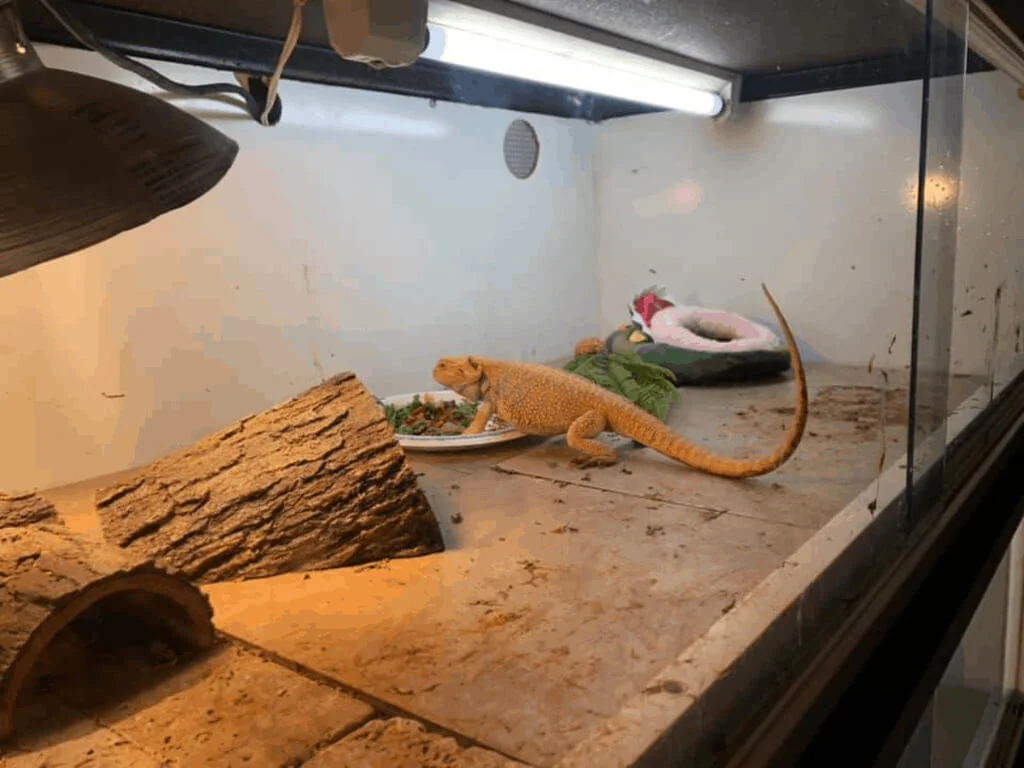
Understanding Bearded Dragon Habitat Needs
Creating the perfect habitat is paramount to the health, happiness, and growth of your bearded dragon. These fascinating reptiles thrive when their environment closely mimics their natural desert habitat. This includes providing the correct temperature gradients, UVB lighting, appropriate substrate, and opportunities for enrichment. Understanding these fundamental needs is the first step towards ensuring your bearded dragon flourishes. A well-designed habitat not only supports physical growth but also contributes to their mental well-being, minimizing stress and promoting natural behaviors. Failing to meet these needs can lead to health problems such as metabolic bone disease, lack of appetite, and lethargy. By prioritizing these aspects, you’re setting your bearded dragon up for a long, vibrant life.
Temperature Gradient & Its Importance
Bearded dragons are ectothermic, meaning they rely on external sources to regulate their body temperature. A proper temperature gradient is critical for their survival and plays a vital role in their digestion, metabolism, and overall health. This gradient should provide a range of temperatures within the habitat. There should be a warm side for basking and a cooler side where the dragon can retreat to cool down. This allows the dragon to thermoregulate, moving between warmer and cooler areas as needed. Without this ability, a bearded dragon cannot properly digest food, absorb nutrients, or maintain a healthy immune system. Inadequate temperature can also lead to reduced activity levels and, in severe cases, even death. Providing a temperature gradient is non-negotiable for their well-being.
The Warm Side
The warm side of the habitat is where the basking spot should be located. This area should reach a temperature of 95-110°F (35-43°C) for adults, and slightly warmer for juveniles. This is where your bearded dragon will spend time basking under the heat lamp, absorbing the necessary warmth to digest food and support their metabolism. Monitoring the temperature with a digital thermometer is crucial to ensure accuracy and safety. The heat source, typically a basking bulb, should be placed above a basking surface, such as a rock or branch. This allows the dragon to position itself at the optimal distance from the heat. Be sure the basking spot is not too close to the heat source to prevent burns. Regularly check the basking spot temperature to ensure it is within the recommended range.
The Cool Side
The cool side of the habitat should be maintained at a temperature between 75-85°F (24-29°C). This cooler area allows your bearded dragon to retreat and cool down if they get too hot. This temperature range is essential for proper thermoregulation and preventing overheating. It is just as important as the warm side. Providing a shaded area on the cool side is also beneficial, allowing your dragon to choose a preferred basking spot. This area should not be directly under the heat source. Keeping the cool side within the correct temperature range helps maintain a balanced environment and allows your bearded dragon to regulate its body temperature effectively. Use a thermometer on both sides of the enclosure to constantly monitor the temperature and ensure it is correctly set.
Essential UVB Lighting for Bearded Dragons
UVB lighting is absolutely critical for bearded dragons as it helps them synthesize vitamin D3, which is essential for calcium absorption. Without proper UVB exposure, bearded dragons are susceptible to metabolic bone disease (MBD), a potentially fatal condition. MBD causes weak bones, leading to deformities and paralysis. UVB lighting also plays a vital role in their overall health and well-being, including their immune system and behavior. Providing the correct UVB is not merely a convenience; it’s a fundamental requirement for their survival. UVB exposure allows them to properly metabolize calcium, supporting bone health and overall vitality. Using high-quality UVB bulbs is a necessity for their wellbeing.
Choosing the Right UVB Bulb
Choosing the right UVB bulb is crucial. There are several types of UVB bulbs available, including fluorescent tubes, compact fluorescent bulbs, and mercury vapor bulbs. Fluorescent tubes are generally recommended, as they provide a more even distribution of UVB light. The strength of the UVB output is measured in a percentage. For bearded dragons, a UVB output of 10-12% is typically recommended. Selecting a reputable brand known for high-quality UVB bulbs is also recommended. The bulb should be specifically designed for reptiles, as these emit the correct spectrum of UVB. Regularly replace the UVB bulb as recommended by the manufacturer. The UVB output diminishes over time. Even if the bulb is still producing light, the UVB output may be inadequate.
Placement and Distance

Proper placement and distance of the UVB bulb are essential. The UVB bulb should be positioned at the correct distance from the basking spot, as the intensity of UVB light decreases with distance. The bulb should be placed in a way that ensures the dragon can bask in the UVB rays without obstructions such as glass or plastic, which can filter out UVB. Always follow the manufacturer’s guidelines for placement. This ensures your dragon gets the full benefit of the UVB. Be aware that the specific distance will depend on the type and strength of the bulb. If the bulb is too close, it can cause eye damage. If the bulb is too far, the dragon won’t receive enough UVB.

Optimal Substrate Choices for Habitat
The substrate is the material that covers the bottom of your bearded dragon’s enclosure. Selecting the right substrate is essential for their health and safety. The ideal substrate should be safe, absorbent, and easy to clean. It should also provide a comfortable surface for your dragon to walk and bask on. The wrong substrate can lead to health problems, such as impaction (a potentially fatal digestive issue) and respiratory infections. It also impacts the humidity levels, which are important for shedding and overall health. A good substrate mimics their natural habitat and provides enrichment, which boosts their well-being.
Safe and Unsafe Substrates
Safe substrates include paper towels, reptile carpet, and tile. These options are easy to clean and pose little risk of impaction. However, they don’t offer much enrichment. A mixture of organic topsoil, playsand, and washed river rock can provide a more naturalistic environment. Avoid substrates that are easily ingested and can cause impaction. These include sand, calcium sand, wood shavings (especially cedar and pine), and small gravel. If you choose a loose substrate like playsand and topsoil mix, always monitor your dragon to ensure it is not eating it. Spot clean the substrate regularly, and perform a full substrate change at least once a month, or more frequently if necessary. Always choose a substrate that prioritizes your dragon’s health and safety.
Maintaining Cleanliness & Hygiene
Maintaining a clean habitat is vital for your bearded dragon’s health. A dirty enclosure is a breeding ground for bacteria, which can lead to various health problems, including respiratory infections, skin infections, and other illnesses. Regular cleaning and disinfection are essential to ensure a healthy environment. This includes removing feces daily, spot cleaning the substrate as needed, and disinfecting the entire enclosure regularly. Cleanliness not only supports the physical health of your dragon but also its mental well-being by reducing stress. A clean habitat also prevents unpleasant odors and creates a more enjoyable environment for both you and your pet. A clean habitat also improves the efficiency of the heat and lighting by allowing for better heat distribution and UVB penetration.
Humidity Control for Bearded Dragons

Controlling humidity is another critical aspect of habitat management. Bearded dragons originate from arid environments, so excessive humidity can cause respiratory infections and skin problems. Maintaining the correct humidity level is necessary to support their health and well-being, while also preventing health problems. Proper humidity allows your dragon to shed its skin properly. Monitoring and maintaining the correct humidity is therefore extremely important. Insufficient humidity can lead to difficult shedding, while excessively humid conditions will give rise to other health problems. You should carefully monitor the humidity in the enclosure and make adjustments as needed to maintain a healthy environment. Consistent, moderate humidity ensures your dragon’s skin and scales stay healthy.
Ideal Humidity Levels

The ideal humidity range for bearded dragons is between 20-40%. Young dragons may need slightly higher humidity during shedding. To maintain this level, you can use a hygrometer to monitor the humidity in the enclosure. The hygrometer should be placed in a location that accurately reflects the overall humidity level. It is often best to have two hygrometers. During shedding, you may need to mist the enclosure lightly to help your dragon shed its skin properly. However, never make the enclosure consistently humid as this can promote bacterial growth. In most cases, the natural evaporation from the water bowl is sufficient. Ensure good ventilation to prevent excess humidity build-up.
Monitoring Humidity
Regularly monitoring the humidity level is essential. Using a hygrometer, preferably a digital one, allows you to keep track of the humidity in your bearded dragon’s enclosure. You can place the hygrometer in the middle of the enclosure to provide the most accurate reading. Check the humidity level at least once a day to ensure it remains within the recommended range. This will allow you to detect any fluctuations and make necessary adjustments. If the humidity is too high, improve ventilation or reduce the amount of water in the enclosure. If the humidity is too low, consider lightly misting the enclosure or providing a larger water bowl. The goal is to maintain a consistent and appropriate humidity level to keep your bearded dragon healthy.
Enrichment through Decor & Furnishings
Enrichment is vital for bearded dragons to prevent boredom and stimulate their natural behaviors. A stimulating environment can prevent stress and enhance their quality of life. By providing various decor and furnishings, you can create an interesting habitat that encourages exploration and activity. This can also help to prevent unwanted behaviors, such as excessive pacing or glass surfing. The type and variety of enrichment items can also provide your dragon with opportunities to exhibit natural behaviors. This helps them to feel more secure and content in their habitat. Regularly changing or rotating the enrichment items helps to keep the environment interesting and engaging for your dragon. A well-enriched environment promotes physical and mental well-being.
Creating a Stimulating Environment

To create a stimulating environment, you can include various items such as branches, rocks, hides, and climbing structures. Branches provide opportunities for climbing and basking at different heights. Rocks can be used to create basking spots and add visual interest. Hides offer a secure place for your dragon to retreat and feel safe. Climbing structures provide opportunities for exploration and exercise. You can also incorporate live plants (ensure they are reptile-safe). Consider changing the layout of the habitat periodically. This helps keep the environment stimulating and prevents boredom. By varying the arrangement of items, you can encourage your dragon to explore and stay active.
Feeding & Hydration within the Habitat
Proper feeding and hydration are crucial aspects of bearded dragon care, directly influencing their growth and health. Providing a balanced diet and fresh water is essential for their survival. You need to create feeding and watering stations that are safe and accessible within the habitat. This includes providing nutritious meals and making fresh water available at all times. Regular feeding and hydration are essential for preventing nutritional deficiencies. Ensuring your dragon receives the correct nutrients and fluids promotes healthy growth and development. You need to understand the dietary requirements to ensure proper nutrition and support overall well-being. Provide plenty of fresh water and food at the correct times to avoid any issues with your dragon.
Placement of Food and Water

The placement of food and water bowls is important for promoting healthy eating and drinking habits. Place food and water bowls in a location within the habitat where they are easily accessible to your bearded dragon. The food bowl should be placed in a location that is convenient for eating. The water bowl should be placed in a spot that prevents it from being easily tipped over. You can use shallow bowls to help prevent drowning, especially for young dragons. Providing food and water bowls in multiple locations can be beneficial. For example, you can place a water bowl on the cool side and the food bowl near the basking area. Clean both the food and water bowls daily to prevent bacterial growth. Keep the bowls in clean condition to promote a healthy and safe environment.
Habitat Size & Space Requirements
The size of the habitat is a significant factor for bearded dragon well-being. Providing adequate space is important for their physical and mental health. A habitat that is too small can lead to stress, decreased activity, and health problems. A habitat that provides enough space for movement and exploration promotes natural behaviors. As bearded dragons grow, they will need a larger enclosure. Ensuring adequate space for movement, temperature gradients, and enrichment is essential for their well-being. The size of the habitat should be suitable for the dragon’s size and age. As a general rule, a single adult bearded dragon needs a minimum enclosure size of 4 feet long, 2 feet wide, and 2 feet high. A larger enclosure is always better.

Growing with your Dragon
Bearded dragons grow rapidly, especially during their first year. As your dragon grows, you must adjust the habitat accordingly. This includes providing a larger enclosure, adding more enrichment items, and modifying the temperature and lighting setups. Young bearded dragons require higher temperatures and humidity levels, so you will need to adjust the habitat conditions as they mature. You must regularly monitor your dragon’s size and behavior to ensure the habitat meets its changing needs. If you are unsure about the specific changes needed, consult with a reptile veterinarian or experienced reptile keeper. Adapting the habitat to meet the changing requirements of your growing bearded dragon is critical for its continued health and happiness.
Common Habitat Mistakes to Avoid
There are some common mistakes that many bearded dragon owners make. Knowing these mistakes can help ensure you provide the best care possible. One common mistake is failing to provide the correct temperature gradient. Without proper temperature control, your dragon cannot digest food properly. Another mistake is inadequate UVB lighting. Always use the correct UVB bulb and replace it as recommended. Another mistake is choosing the wrong substrate. Always use a substrate that is safe and easy to clean. Overcrowding is another common mistake. Providing too little space can cause stress. Failure to maintain proper cleanliness is also common. Always remove feces daily and disinfect the enclosure regularly. Ignoring these common mistakes can lead to a wide range of health issues.