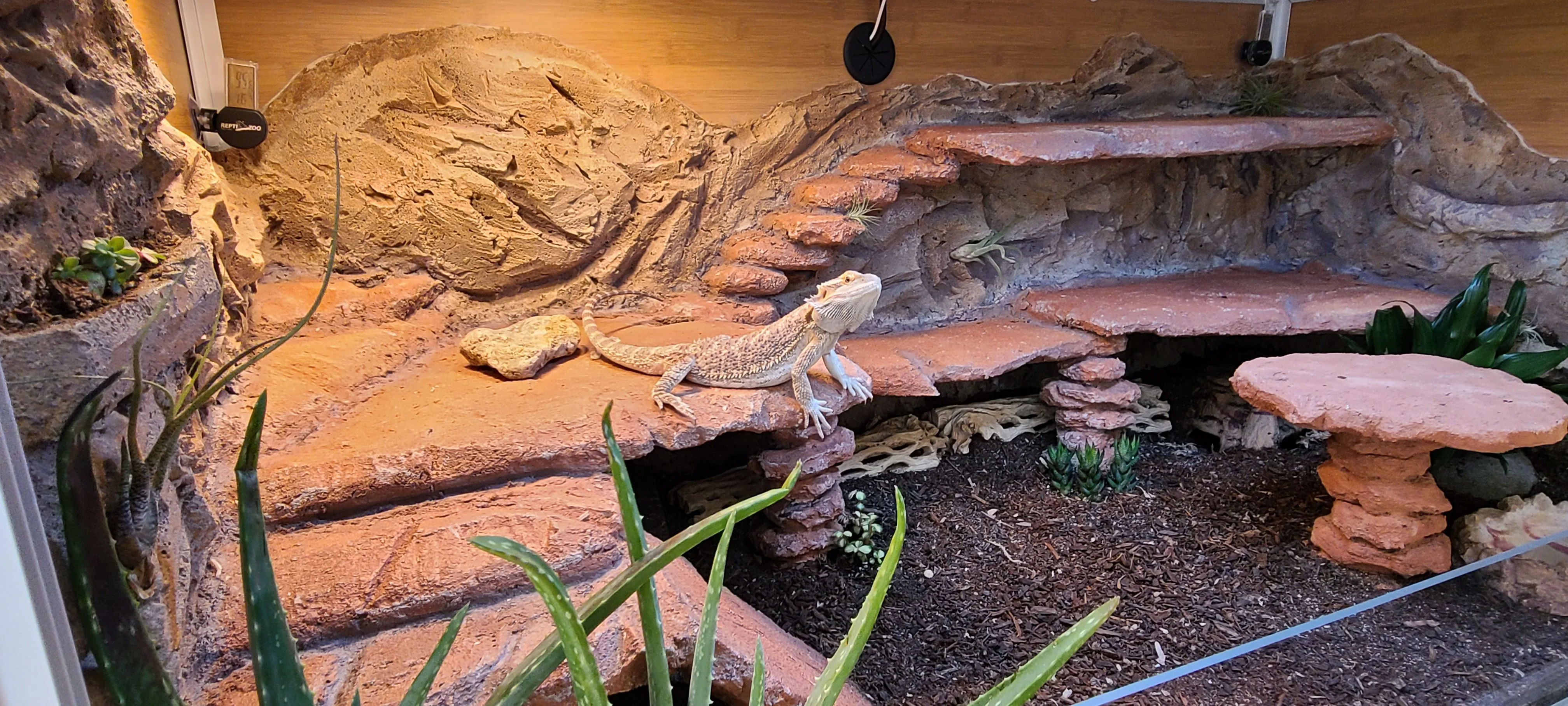
Choosing the Right Enclosure for Your Bearded Dragon
Creating a safe and enriching environment for your bearded dragon is paramount to their health and happiness. The habitat is the foundation of their well-being, and careful consideration must be given to its design and components. This involves making smart bearded dragon habitat modifications. The enclosure is more than just a cage; it’s their home, and a well-designed habitat mimics their natural environment, providing the necessary elements for thriving. The correct enclosure facilitates proper thermoregulation, allows for appropriate lighting, and offers opportunities for exploration and enrichment. This ensures that the lizard feels secure, which will help reduce stress. Let’s explore some key modifications to improve your bearded dragon’s habitat.
Size Matters The Importance of Proper Enclosure Size
One of the most important bearded dragon habitat modifications is the enclosure’s size. A cramped enclosure can lead to stress, stunted growth, and a host of health problems. Bearded dragons are active reptiles that require ample space to move around, bask, and thermoregulate. A larger enclosure provides a greater temperature gradient, allowing the dragon to choose its preferred temperature zone. It also offers space for enrichment items like branches, rocks, and hides. The size of the enclosure should increase as the dragon grows, so plan accordingly. An appropriately sized enclosure promotes better physical and psychological well-being.
Minimum Enclosure Dimensions for Different Ages
When considering bearded dragon habitat modifications, be aware of the correct sizes. Baby bearded dragons can start in a 20-gallon long tank, but they will quickly outgrow this. Juvenile dragons will need at least a 40-gallon breeder tank, while adult bearded dragons require a minimum of a 4ft x 2ft x 2ft enclosure. Larger is always better. A bigger habitat gives the dragon room to move around, exercise, and feel less confined, which is important for their mental health. Ensure that the enclosure provides sufficient space for the proper temperature gradient, with a hot basking spot and a cooler side. A well-sized enclosure is essential for a happy and healthy bearded dragon.
Enclosure Material Considerations


When making bearded dragon habitat modifications, the choice of enclosure material is a significant consideration. Glass and PVC are common materials, each with pros and cons. Glass enclosures are readily available and provide excellent visibility, allowing you to easily observe your dragon. However, glass can retain heat, potentially leading to overheating if not managed correctly. Also, glass enclosures can be heavy and less insulating than PVC. PVC (polyvinyl chloride) enclosures are becoming increasingly popular. They are lightweight, provide excellent insulation, and are generally better at maintaining a stable temperature and humidity. They are also often more durable and less prone to leaks compared to glass enclosures.
Glass vs. Screen Enclosures
Screen enclosures offer excellent ventilation, which helps regulate humidity. However, they can be more difficult to maintain proper temperature and humidity levels because air flows through more readily. Glass enclosures, in comparison, are better at maintaining humidity and heat. If you opt for a screen enclosure, be prepared to take extra steps to maintain appropriate humidity and temperature levels. Both materials can be safe options if managed correctly. Your choice will depend on your specific needs and the environment where you are keeping your bearded dragon. Consider the benefits of each material, and assess which will best suit your circumstances.
Substrate Selection: Safe and Suitable Options
The substrate, or bedding, is another critical component of your bearded dragon’s habitat. The right substrate supports your dragon’s health, while the wrong one can pose serious risks. Avoid substrate that can be ingested, as it can cause impaction, a potentially fatal condition. The best substrates allow for digging and burrowing, which provide enrichment and a more natural experience for the dragon. When making habitat modifications for your bearded dragon, always select non-toxic and safe materials that won’t harm your pet. Look for substrate that is easy to clean and maintain, promoting a healthy environment for your reptile. The right choice will greatly enhance your dragon’s well-being.
Recommended Substrate Materials
Safe and recommended substrates include paper towels, reptile carpet, and a bioactive substrate mix. Paper towels are easy to clean and replace, making them a practical choice, especially for young dragons. Reptile carpet, while providing a more natural feel, should be cleaned regularly to prevent the buildup of bacteria. Bioactive substrates, such as a mix of soil, sand, and organic matter, offer a more naturalistic environment. They support beneficial bacteria and allow for burrowing behavior. If choosing a bioactive setup, ensure that you research the specific mix and the requirements of maintaining a healthy ecosystem within the enclosure.
Substrate Materials to Avoid


Certain substrates pose significant risks and should be avoided. Sand, especially calcium sand, can cause impaction if ingested, particularly in younger dragons. Walnut shells, wood shavings like cedar or pine, and gravel can also cause health issues and should not be used. Cedar and pine shavings release aromatic oils that can be harmful to reptiles. Gravel is difficult to clean and can harbor bacteria. When making bearded dragon habitat modifications, always prioritize safety and choose substrates that won’t put your pet at risk.
Temperature and Lighting: Creating a Safe Environment
Proper temperature and lighting are non-negotiable when creating a healthy bearded dragon habitat. These elements are crucial for thermoregulation, digestion, and overall health. Bearded dragons are ectotherms, meaning they rely on external heat sources to regulate their body temperature. The habitat must provide a temperature gradient with a basking spot, a warm side, and a cool side. Lighting is equally important, providing essential UVB and UVA rays for vitamin D3 synthesis and proper bone development. It is vital to make the proper bearded dragon habitat modifications to ensure your dragon receives the required temperature and lighting.
Optimal Temperature Gradient
The temperature gradient should include a basking spot of 95-110°F (35-43°C), a warm side of 85-90°F (29-32°C), and a cool side of 75-80°F (24-27°C). This gradient allows your dragon to regulate its body temperature by moving to different areas of the enclosure. Use a thermometer to monitor the temperature accurately and adjust your heating elements as needed. Overheating can be as dangerous as being too cold, so monitoring temperature is crucial. A well-maintained temperature gradient is essential to maintaining a healthy bearded dragon.
Importance of UVB and UVA Lighting
UVB lighting is essential for the synthesis of vitamin D3, which helps bearded dragons absorb calcium from their food. Without adequate UVB exposure, dragons can develop metabolic bone disease (MBD), a debilitating and often fatal condition. UVA lighting promotes natural behaviors and helps dragons see their environment. Provide a UVB bulb with a 10.0 or 12.0 UVB output, appropriate for the size of your enclosure. Be sure to replace the bulb every 6-12 months, as the UVB output diminishes over time. Proper lighting is one of the most important bearded dragon habitat modifications you can make to ensure your pet thrives.
Placement and Types of Lighting
The placement of your lighting is just as crucial as the type of bulb. Place the UVB bulb and basking light close to the basking spot, about 12-18 inches away from the dragon. Ensure the UVB light covers a substantial portion of the enclosure. There are different types of UVB bulbs available, including fluorescent tubes and mercury vapor bulbs. Mercury vapor bulbs provide both heat and UVB, while fluorescent tubes typically require a separate heat source. Choose a bulb type and placement that best suits your setup. Make sure to follow the manufacturer’s recommendations for bulb placement to ensure that your dragon gets the appropriate amount of UVB exposure.
Decor and Enrichment: Promoting Safety and Wellbeing
Enriching the habitat is more than simply making it look nice; it’s about providing mental stimulation and opportunities for natural behaviors. Bearded dragons are intelligent creatures that benefit from environmental enrichment. Adding safe decor helps them feel more secure and can prevent boredom, which can lead to stress. The best bearded dragon habitat modifications will always incorporate the appropriate enrichment elements. Safe decor provides hiding places, climbing opportunities, and a stimulating environment that helps your dragon thrive.
Safe Decor Choices
Safe decor choices include rocks, branches, and hides. Rocks and branches provide climbing opportunities and help with shedding. Make sure to select rocks that are smooth and won’t scratch your dragon. Hides offer a secure space where your dragon can retreat to feel safe and reduce stress. Avoid sharp or abrasive decor that could injure your dragon. Create a varied and stimulating environment with different textures and levels. This will promote both physical and mental well-being. Always sanitize any natural decor before adding it to the enclosure to prevent the introduction of parasites or bacteria.

Items to Avoid in the Habitat
Certain items can be dangerous and should be avoided. Avoid small objects that could be ingested, such as small plastic toys or decorations. Also, avoid anything that could trap your dragon, like tunnels with small openings. Certain types of wood, such as cedar and pine, release harmful aromatic oils and should not be used. Always prioritize safety when selecting decor, and ensure that all items are non-toxic and won’t pose a risk to your dragon. Regularly inspect the decor for wear and tear, and replace any items that are damaged or pose a hazard.
Water and Humidity Management
Maintaining proper humidity levels is crucial for your bearded dragon’s health. Low humidity can lead to dehydration and shedding problems, while excessively high humidity can lead to respiratory infections. The enclosure’s humidity level will need to be adjusted as needed to accommodate the optimal conditions. Monitoring humidity and making the appropriate bearded dragon habitat modifications is essential. The right humidity is critical to your bearded dragon’s well-being, and the proper management of humidity in the habitat will help your dragon thrive.

Proper Humidity Levels

The ideal humidity range for bearded dragons is between 30% and 40%. Use a hygrometer to monitor the humidity levels in your enclosure. You can increase humidity by misting the enclosure with water, providing a shallow water dish, or placing a humid hide. To decrease humidity, improve ventilation in the enclosure. Ensure that the substrate isn’t constantly wet. During shedding, you may need to increase the humidity temporarily to help your dragon shed its skin. Monitor the humidity levels frequently and adjust as necessary to create a comfortable and healthy environment for your dragon.
Water Source and Hygiene
Provide a shallow water dish with fresh, clean water at all times. The water should be changed daily to prevent the growth of bacteria and algae. The water dish should be easily accessible, and your dragon should be able to comfortably drink from it. Avoid using deep water dishes, as your dragon could potentially drown. Hygiene is key to maintaining a healthy environment. Clean the water dish and the enclosure regularly to prevent the buildup of bacteria. This will promote the health and well-being of your bearded dragon and help to provide a safe and secure habitat.