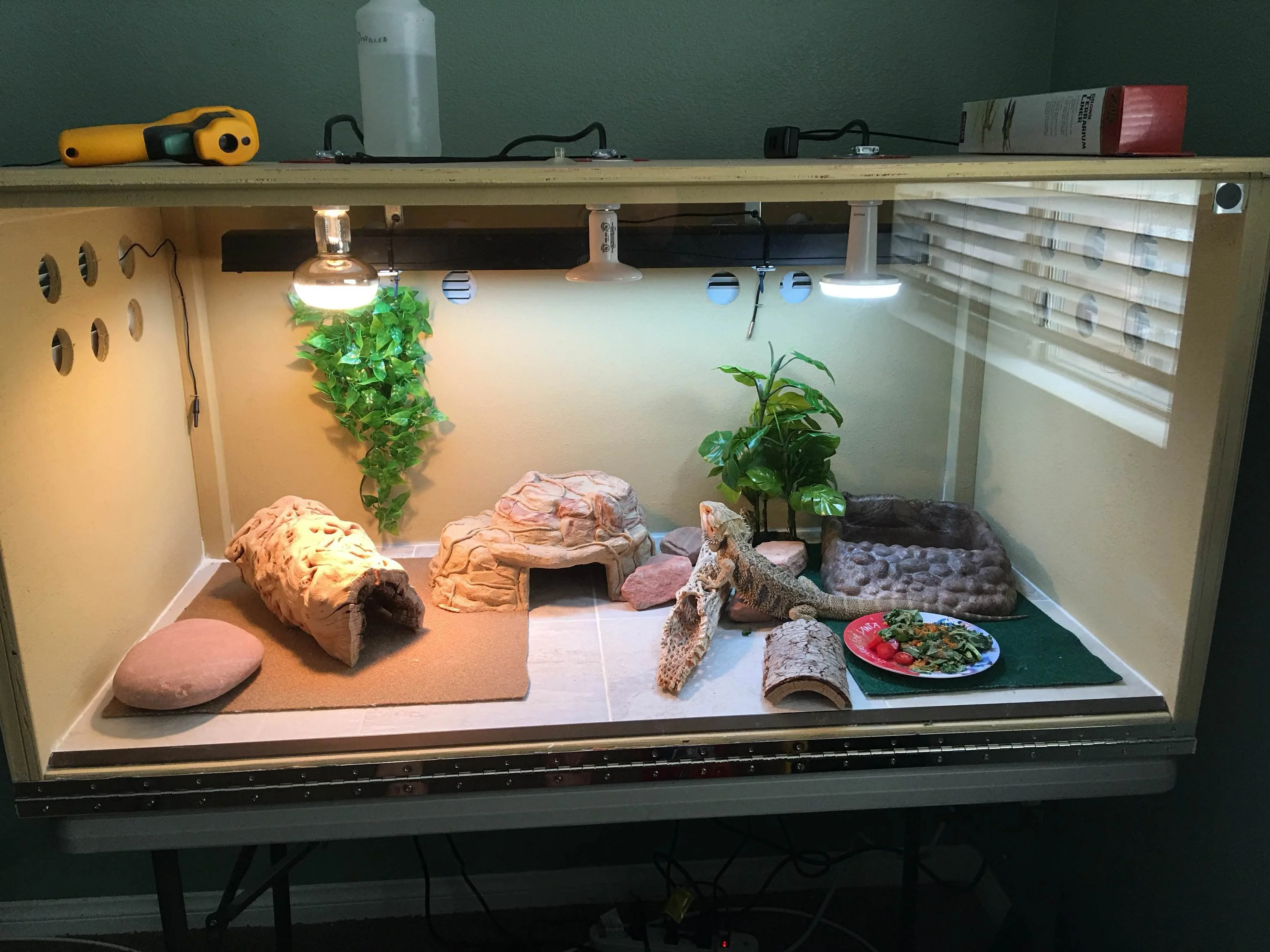
Understanding Bearded Dragon Habitat Needs
Creating the perfect habitat is crucial for the health, happiness, and longevity of your bearded dragon. A well-designed habitat mimics their natural environment, providing essential elements for survival and promoting natural behaviors. This guide will provide you with a comprehensive understanding of the key components of a bearded dragon habitat, ensuring you can create a thriving home for your scaly friend. From tank size and substrate to lighting, heating, and enrichment, we’ll cover everything you need to know to set up a habitat that allows your bearded dragon to flourish. Failing to provide a suitable habitat can lead to serious health issues, so careful planning and attention to detail are key.
Why Habitat Matters for Bearded Dragons
Bearded dragons are ectothermic, meaning they rely on external sources to regulate their body temperature. An appropriate habitat allows them to thermoregulate, which is vital for digestion, metabolism, and immune function. The right setup supports healthy shedding, prevents metabolic bone disease (MBD), and encourages natural behaviors like basking, burrowing, and exploring. Inadequate habitat conditions can lead to stress, which weakens the immune system and makes the dragon more susceptible to illness. Proper lighting, heating, and humidity levels are also crucial for vitamin D3 synthesis and calcium absorption, essential for strong bones.
Moreover, a well-designed habitat provides mental stimulation, preventing boredom and promoting a more active and engaged pet. A stimulating environment contributes to a higher quality of life for your bearded dragon, fostering a sense of well-being. By providing a suitable habitat, you are not only meeting your pet’s basic needs but also contributing to its overall health and happiness. A happy bearded dragon is more likely to interact with you and be a delightful companion, so setting up their home correctly is one of the most important steps in bearded dragon ownership.
Key Elements of a Suitable Habitat
A suitable bearded dragon habitat consists of several crucial elements. First and foremost is the enclosure itself; a secure, appropriately sized tank is essential. Lighting, including UVB and heat sources, is critical for health and well-being. The substrate, chosen carefully for safety and suitability, provides a comfortable and enriching surface. Humidity control is also important, as bearded dragons thrive in environments with specific humidity levels. Lastly, the inclusion of accessories like hides, branches, and rocks adds enrichment and allows for natural behaviors.
Choosing the Right Tank Size
The size of the enclosure is a fundamental consideration. Baby bearded dragons can start in a smaller tank, but they grow rapidly, and adult dragons require ample space to thrive. Providing enough space prevents stress, allows for proper thermoregulation, and encourages activity. As a general rule, a fully grown adult bearded dragon needs a minimum of a 4x2x2 foot enclosure (120 gallons). Larger is always better, providing more space for basking, exploration, and the creation of temperature gradients.
Factors Influencing Tank Size

Consider the following factors when choosing a tank size. The size and activity level of your dragon are paramount. Larger dragons naturally need more space. Also, the sex of the dragon can play a factor. Female bearded dragons, especially if they are laying eggs, may require a larger space. Additionally, the complexity of the habitat setup should be considered; if you plan to include multiple hides, basking spots, and climbing structures, you’ll need a larger tank. Make sure that the enclosure allows for a proper temperature gradient, with a hot basking spot and a cooler side.
Glass vs. PVC vs. Other Materials
Different materials offer various advantages and disadvantages. Glass tanks are readily available and allow for excellent viewing. However, they can be less efficient at retaining heat and UVB rays. PVC (polyvinyl chloride) enclosures are becoming increasingly popular. They offer excellent insulation, maintain humidity well, and are often easier to clean. Wood enclosures, while attractive, can be challenging to sanitize and maintain humidity levels. The choice ultimately depends on your budget, preferences, and the specific needs of your bearded dragon. Consider the ease of maintenance, the ability to maintain temperature and humidity, and the durability of the materials.
Substrate Selection for Optimal Health
The substrate, the material covering the bottom of the tank, plays a crucial role in your bearded dragon’s health and well-being. It affects humidity levels, provides a surface for walking and digging, and can influence the overall cleanliness of the enclosure. Choosing the right substrate is critical. The ideal substrate should be safe, non-toxic, and easy to clean. Avoid substrates that pose a risk of impaction (blockage in the digestive system) if ingested, as bearded dragons are known to accidentally swallow substrate when eating.
Safe and Unsafe Substrates
Safe substrate options include reptile carpet, paper towels, and ceramic tile. These options are easy to clean and pose no impaction risk. Washed play sand is a popular choice, but it should be used with caution and only if the dragon is fed in a separate container. Avoid substrates like calcium sand, which can clump when wet and pose a high impaction risk. Also, avoid wood shavings (especially cedar and pine) because they can be irritating and dusty, which can lead to respiratory problems. Always monitor your dragon for any signs of ingestion.
How Substrate Impacts Humidity
Different substrates have varying effects on humidity levels. Some substrates, like reptile carpet and tile, have little to no impact on humidity. Others, such as a mix of sand and soil, can help to retain moisture and increase humidity. Maintaining the correct humidity is important, as it supports healthy shedding and hydration. Regularly check the humidity levels using a hygrometer and adjust your substrate choice or misting schedule accordingly to ensure the ideal range is maintained.

Lighting and Heating Essentials
Lighting and heating are paramount for the health and well-being of your bearded dragon. Providing the correct light and heat allows them to regulate their body temperature, which is essential for digestion, metabolism, and overall health. UVB light enables the synthesis of vitamin D3, crucial for calcium absorption and preventing metabolic bone disease (MBD). A proper heat gradient allows your dragon to choose the appropriate temperature for its needs.
The Importance of UVB Lighting
UVB light is vital for bearded dragons. It allows them to synthesize vitamin D3, which is essential for calcium absorption. Without sufficient UVB exposure, bearded dragons can develop MBD, a debilitating and potentially fatal condition. MBD causes weak bones, deformities, and paralysis. UVB also supports healthy appetite, behavior, and immune function. Therefore, choosing the right UVB bulb and positioning it correctly is critical for the well-being of your pet.
Types of UVB Bulbs and Their Placement
There are different types of UVB bulbs available, including fluorescent tubes and mercury vapor bulbs. Fluorescent tubes are generally safer, as they produce less intense UVB and heat, reducing the risk of burns. Mercury vapor bulbs offer a more intense UVB output but require careful monitoring of distances. The specific bulb type you choose depends on your enclosure size and the distance between the bulb and the basking spot. The bulb should be placed appropriately to ensure that the dragon receives adequate UVB exposure. Follow the manufacturer’s recommendations for positioning and replacement frequency.
Heat Sources and Temperature Gradients
Creating a proper temperature gradient is essential for bearded dragons. A gradient allows them to move between different temperature zones to regulate their body temperature. This ability is crucial for digestion, metabolism, and overall health. The ideal habitat will have a basking spot, a warm side, and a cooler side. This gradient allows the dragon to thermoregulate effectively, which is necessary for proper functioning.
Basking Spot Temperature and Ambient Temperature
The basking spot should be maintained at the appropriate temperature for your bearded dragon. This is usually between 95-110°F (35-43°C) for adults, and slightly warmer for juveniles. The warm side of the enclosure should be around 85-90°F (29-32°C). The cool side should range from 75-80°F (24-27°C). Monitor the temperature regularly using a digital thermometer with a probe. A heat lamp or ceramic heat emitter can be used to achieve these temperatures. Never use heat rocks, as these can cause burns.
Humidity Control and Monitoring
Humidity plays a key role in the health of bearded dragons, particularly in regard to shedding. Low humidity can lead to shedding problems, while excessive humidity can cause respiratory issues. Maintaining the correct humidity range is thus critical. Monitoring and adjusting humidity levels is a key part of ensuring the health and well-being of your bearded dragon.
Maintaining the Right Humidity Levels
The ideal humidity level for bearded dragons is generally between 30% and 40%. During shedding, you may want to increase humidity slightly (up to 50%) to help the dragon shed properly. You can achieve this by misting the enclosure, providing a water dish, or using a humidifier. Make sure the enclosure has adequate ventilation to prevent excessive humidity buildup. Too much humidity can foster the growth of harmful bacteria and fungi. Regular monitoring is vital to ensure humidity levels remain in the correct range.
Methods for Monitoring Humidity
Use a hygrometer to monitor the humidity levels in your bearded dragon’s enclosure. Digital hygrometers are readily available and provide accurate readings. Place the hygrometer in the middle of the enclosure to get a reliable reading. Observe your dragon’s behavior to assess humidity levels. If your dragon is having trouble shedding, the humidity may be too low. If you see condensation frequently, humidity may be too high. Adjust humidity levels based on the hygrometer readings and your dragon’s behavior.
Decorating the Habitat for Enrichment
Enrichment is a crucial aspect of bearded dragon care that goes beyond basic survival needs. A well-decorated habitat provides mental stimulation, encourages natural behaviors, and prevents boredom. Providing a variety of objects and textures enhances the dragon’s environment, leading to a happier and healthier pet.
Essential Habitat Accessories
Include a variety of accessories to enrich your bearded dragon’s habitat. Hides provide security and a place to retreat when the dragon feels stressed or wants to sleep. Offer multiple hides, one on the warm side and one on the cool side. Branches and climbing structures encourage exercise and exploration. Use sturdy branches that allow your dragon to climb and bask at different levels. Rocks and other textures provide opportunities for scratching and rubbing. Ensure all decorations are safe and non-toxic.
Creating a Stimulating Environment

To create a stimulating environment, rotate the accessories in the habitat regularly. This introduces novelty and prevents boredom. Consider adding live plants to the habitat, but make sure they are safe and non-toxic. Provide a variety of feeding and water dishes. Offer different types of food in different locations to encourage foraging. Regularly observe your dragon’s behavior and adjust the setup based on their preferences and needs. A stimulating environment is key to ensuring your bearded dragon remains active, engaged, and content.
Feeding and Water Dish Considerations
Choose feeding and water dishes that are easy to clean and appropriate for your dragon’s size. Shallow dishes are ideal for water, allowing the dragon to easily access the water without risk of drowning. Place the water dish on the cooler side of the enclosure. The feeding dish should be positioned on the warm side, where the dragon is most active. Consider using multiple dishes for different types of food to encourage variety. Regularly clean the dishes to prevent bacterial growth.
Regular Cleaning and Maintenance
Regular cleaning and maintenance are essential for maintaining a healthy and safe environment for your bearded dragon. Routine cleaning helps prevent the buildup of bacteria, parasites, and waste products, ensuring your pet stays healthy and happy. A regular cleaning schedule also helps you monitor your dragon’s health and catch any potential problems early on.
Daily, Weekly, and Monthly Cleaning Tasks

Implement a structured cleaning schedule. Daily tasks include spot cleaning, which involves removing any visible waste and uneaten food. Weekly tasks include cleaning the water and food dishes, wiping down the enclosure walls, and spot cleaning the substrate. Monthly tasks include a more thorough cleaning of the entire enclosure. This includes removing the substrate, cleaning all decorations, and sanitizing the enclosure. Replace the substrate with a new, clean batch. This regular schedule is essential for preventing disease and promoting a healthy environment.
Sanitizing the Habitat
Use a reptile-safe disinfectant to sanitize the enclosure and all decorations. Remove all items from the enclosure, clean them thoroughly, and let them dry completely. Wipe down the enclosure with the disinfectant, making sure to reach all surfaces. Rinse the enclosure with clean water and allow it to dry before returning the decorations and the substrate. Regular sanitization helps eliminate bacteria, parasites, and other pathogens that can cause illness. Always follow the manufacturer’s instructions for the disinfectant, and ensure it is safe for reptiles.

Troubleshooting Common Habitat Issues
Even with the best care, you may encounter problems. Shedding issues, such as stuck shed, can be caused by low humidity. Respiratory infections can be caused by low temperatures or poor ventilation. Metabolic bone disease can result from a lack of UVB exposure. Always monitor your dragon for any signs of illness or distress, such as loss of appetite, lethargy, or abnormal behavior. If you notice any problems, consult with a veterinarian specializing in reptiles. Early detection and treatment are crucial for ensuring your bearded dragon’s health and well-being.
Setting up the perfect habitat for your bearded dragon is an ongoing process. Continuously monitor the habitat conditions, the dragon’s behavior, and make adjustments as needed. By understanding the essential elements, prioritizing safety, and providing a stimulating environment, you can create a thriving home that allows your bearded dragon to live a long, happy, and healthy life. Remember, your dedication to proper care will be rewarded with a vibrant, engaging, and much-loved pet.
