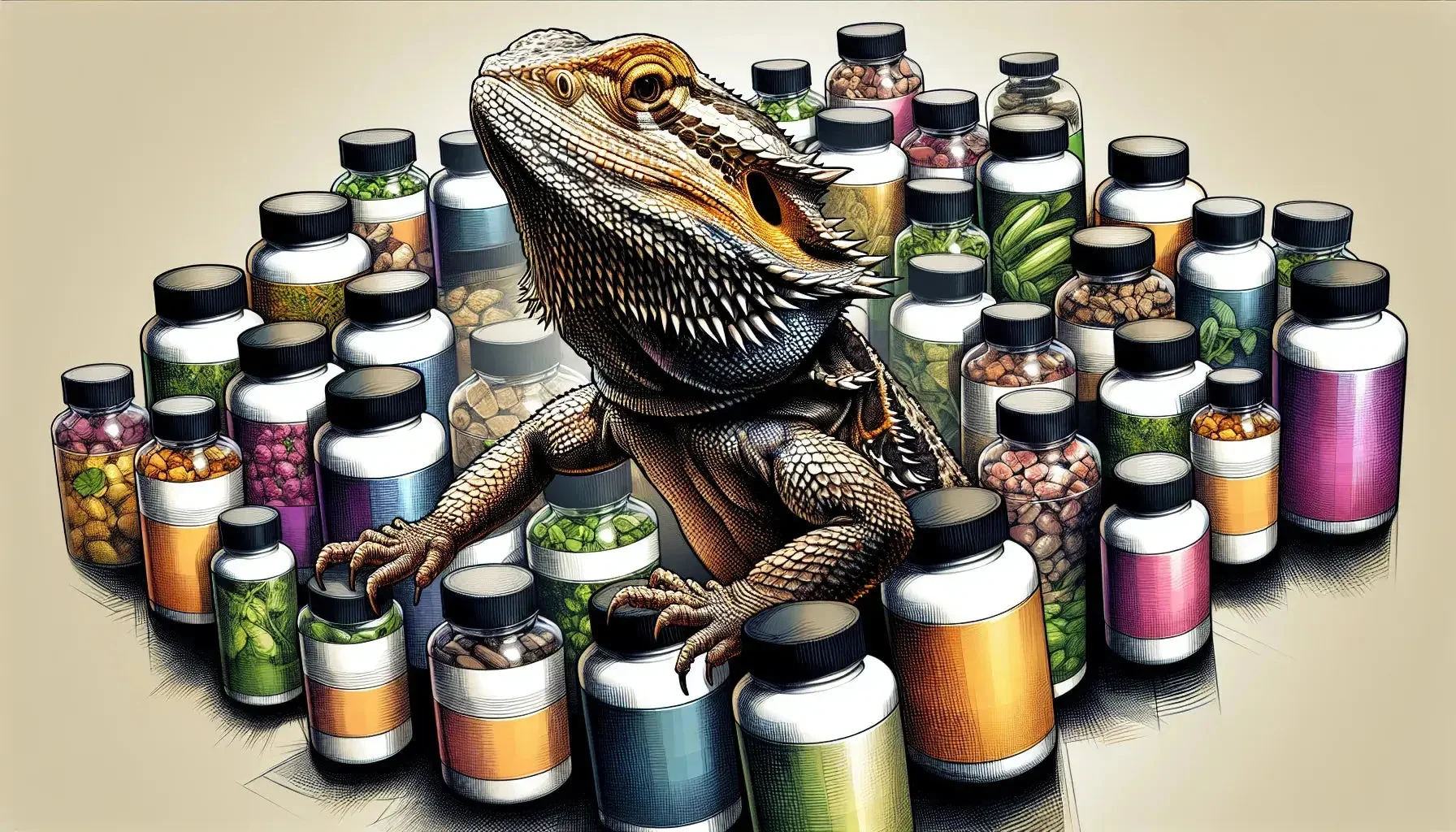
Understanding Bearded Dragon Growth
Bearded dragons, fascinating reptiles known for their docile nature and distinctive ‘beard’, experience significant growth throughout their lives. Understanding the factors that influence their development is crucial for ensuring a long, healthy, and happy life. Growth in bearded dragons is not a linear process; they experience rapid growth spurts, particularly during their first year. During these periods, they require optimal nutrition and care to support their developing bones, muscles, and overall health. Improper care or insufficient nutrition can lead to stunted growth, skeletal issues, and other health problems. The rate of growth varies depending on the individual dragon, its genetics, and the environment. A well-cared-for bearded dragon can reach a length of 18 to 24 inches (45 to 60 cm) and live for 8 to 12 years, sometimes even longer.
Factors Affecting Bearded Dragon Growth
Several factors play critical roles in the growth of bearded dragons. Genetics set the initial blueprint for size and development, but environmental factors and care practices have a significant influence. Diet, which is the cornerstone of healthy growth, must provide the right balance of nutrients. Proper UVB and UVA lighting are essential for calcium absorption and overall health. A clean and appropriately sized enclosure that allows for thermoregulation is another important factor. Stress, often stemming from overcrowding, improper handling, or temperature fluctuations, can also impede growth. Providing a stimulating environment that encourages exercise and exploration supports healthy development. Regular veterinary check-ups can also help to identify and address potential health issues that could hinder growth, ensuring that bearded dragons thrive from hatchling to adulthood.
Diet and Nutrition
Nutrition is the foundation of a bearded dragon’s health and growth. A well-balanced diet is essential for supporting their rapid growth during the early stages of life and maintaining their health throughout adulthood. The diet should consist primarily of insects, such as crickets, dubia roaches, and mealworms, especially for juveniles, and a significant portion of leafy greens and vegetables. The ratio of insects to plant matter changes with age, with juveniles requiring more insects for protein and older dragons transitioning to a higher proportion of vegetables. It’s also critical to offer a variety of foods to ensure a broad range of nutrients. Avoid feeding bearded dragons excessive amounts of fatty foods, as this can lead to health complications. Water should always be available, either in a shallow dish or through misting their enclosure.

Importance of a Balanced Diet
A balanced diet is the most important factor in supporting healthy bearded dragon growth. The right balance of protein, vitamins, minerals, and fiber is crucial for bone development, muscle growth, and overall bodily functions. Without a balanced diet, bearded dragons are susceptible to various health issues. Metabolic Bone Disease (MBD), a common condition, results from calcium deficiencies. This can lead to stunted growth, bone deformities, and paralysis. Vitamin deficiencies can lead to a host of health problems. Overfeeding can also be detrimental, leading to obesity and related health issues. The correct diet also supports a strong immune system. A balanced diet directly impacts energy levels, digestion, and the overall quality of life of your bearded dragon.
Top 5 Vet-Recommended Supplements for Growth
While a balanced diet forms the base of a healthy life, supplements often play a vital role in supporting growth and preventing deficiencies. Consulting with a veterinarian is always the first step before starting any supplement regimen. The best supplements can vary based on the specific needs of the individual dragon, but some recommendations consistently appear.

Calcium Supplementation

Calcium is essential for bone development, muscle function, and various metabolic processes. Calcium deficiency is a major cause of Metabolic Bone Disease (MBD), which can lead to serious health problems. Supplementing with calcium, particularly for juveniles and females, is crucial. Calcium supplements often come in powdered form and are dusted on insects before feeding. It is also important to use calcium supplements with vitamin D3, as it aids in calcium absorption. The frequency of calcium supplementation depends on the age and health of the dragon, but it is frequently recommended to dust insects with calcium at almost every feeding for young dragons.
Vitamin D3 Supplementation

Vitamin D3 is crucial for calcium absorption. Without adequate vitamin D3, the dragon’s body cannot efficiently utilize calcium, regardless of how much calcium is consumed. Vitamin D3 helps regulate calcium and phosphorus levels in the blood, which are vital for bone development. The most common way to provide vitamin D3 is through UVB lighting, which the dragon needs to synthesize its own vitamin D3. It’s important to have appropriate UVB lighting, with the correct strength and placement. In cases where the dragon is not getting adequate UVB exposure or has a deficiency, supplementation with a vitamin D3 supplement is often needed, but it is crucial to avoid over-supplementation, which can be toxic.
Probiotics
Probiotics are beneficial bacteria that support gut health and digestion. They help to maintain a healthy balance of gut flora, aiding in the breakdown of food and absorption of nutrients. Probiotics can be especially helpful after antibiotic treatments or during periods of stress, which can disrupt the natural balance of bacteria in the gut. They can improve digestion, boost the immune system, and reduce the risk of digestive upset. Probiotic supplements are available in powder or liquid form and can be added to the food or water of the bearded dragon. However, always follow the instructions on the product and consult with a vet before using it.
Multivitamins
Multivitamins provide a broad range of essential vitamins and minerals that may be lacking in the diet. They act as an insurance policy, helping to fill nutritional gaps and ensure optimal health. Quality multivitamin supplements often contain a balance of fat-soluble and water-soluble vitamins, as well as trace minerals, that support various bodily functions. It’s vital to choose a multivitamin specifically formulated for reptiles. Over-supplementation with certain vitamins can be as harmful as deficiencies, so follow the vet’s recommendations. They are often dusted on insects or added to the food, much like calcium.
Appetite Stimulants
In certain situations, such as illness or stress, bearded dragons may experience a loss of appetite, which can hinder growth. Appetite stimulants, as the name suggests, can help encourage the dragon to eat. These can be especially helpful during recovery from an illness or when dealing with a picky eater. Appetite stimulants should only be used under the guidance of a veterinarian. They can come in various forms, and a vet can advise on the appropriate type and dosage for the individual animal. Using these supplements should be paired with an effort to address the underlying cause of the appetite loss, whether it is an illness, stress, or environmental problem.
Supplement Administration Tips

Administering supplements correctly is just as important as choosing the right ones. Dusting insects with powdered supplements is a common method for delivering calcium, vitamins, and other essentials. A good practice is to place the insects in a bag or container with the supplement and shake gently before feeding. Ensure all insects are coated, but avoid excessive amounts. Liquid supplements are often administered directly into the dragon’s mouth or mixed with food or water. Always use the correct dosage as recommended by the veterinarian. Always supervise your dragon after administering supplements. Regularly assess the dragon’s response to supplementation and adjust accordingly.
Choosing Quality Supplements
The quality of supplements can significantly impact their effectiveness and the health of your bearded dragon. Always research the brands and read reviews. Look for supplements that are specifically formulated for reptiles. Ensure the supplements are fresh, within their expiration dates, and stored correctly. Avoid supplements with added fillers or unnecessary ingredients. Consider consulting your veterinarian or a reptile specialist for recommendations on reputable brands. Buying from trusted sources ensures that you are getting a genuine product. If you have any questions or concerns about the product quality, consult your vet.
Consulting with a Veterinarian
Before starting any supplement regimen, consulting with a veterinarian experienced in reptile care is essential. A vet can assess your dragon’s health, identify any deficiencies, and recommend the appropriate supplements and dosages. They can also help you understand potential risks and side effects associated with each supplement. Regular veterinary check-ups are crucial for monitoring your bearded dragon’s health and adjusting the supplement plan as needed. The veterinarian can provide personalized advice based on your dragon’s specific needs. A veterinarian can provide the best guidance and ensure that your bearded dragon receives the best care.
Potential Risks and Side Effects
While supplements can be beneficial, they also carry potential risks and side effects if not used correctly. Over-supplementation, especially with fat-soluble vitamins like A and D, can lead to toxicity, resulting in serious health issues. Calcium and vitamin D3 can also cause problems if given in excess. Some supplements can interact with each other or interfere with medications, so it’s crucial to follow veterinary recommendations. Some dragons may experience allergic reactions to certain supplements. Therefore, monitoring your dragon for any adverse reactions is essential. Contact a veterinarian immediately if any concerning signs appear.
Monitoring Your Bearded Dragon’s Growth
Regular monitoring of your bearded dragon’s growth is essential for ensuring its health and well-being. Weigh your dragon regularly, at least once a month or more frequently during periods of rapid growth. Keep a record of the weight. Measure your dragon’s length from snout to tail tip on a regular basis. Take pictures periodically to visually track progress. Observe your dragon’s behavior, appetite, and overall appearance for any signs of health issues. Consult your veterinarian if you notice any concerning changes or if you have any doubts about your dragon’s growth and development. Early detection of problems is key to preventing complications.

Signs of Healthy Growth

Healthy bearded dragons exhibit several signs of good growth. They should have a healthy appetite and consume their food regularly. Their bodies should be well-proportioned, without any signs of bone deformities or skeletal issues. The dragon’s skin should be smooth and healthy. They should be active and display normal behaviors, like basking, exploring, and interacting with their environment. Regular shedding is a positive sign, as it indicates that the dragon is growing and its body is developing. They should have bright, clear eyes and a generally alert appearance. If you’re not sure, consult your vet.
Signs of Growth Problems
Identifying potential problems early can help to prevent serious health complications. Stunted growth, or a slower growth rate, can be a sign of various issues, including nutritional deficiencies, improper lighting, or illness. Bone deformities, such as a curved spine or swollen limbs, are often associated with Metabolic Bone Disease (MBD) caused by a calcium or vitamin D3 deficiency. Loss of appetite or refusal to eat can indicate underlying health problems. Lethargy and inactivity may be a sign of illness or stress. If you see any signs, contact your vet to solve the problem fast.