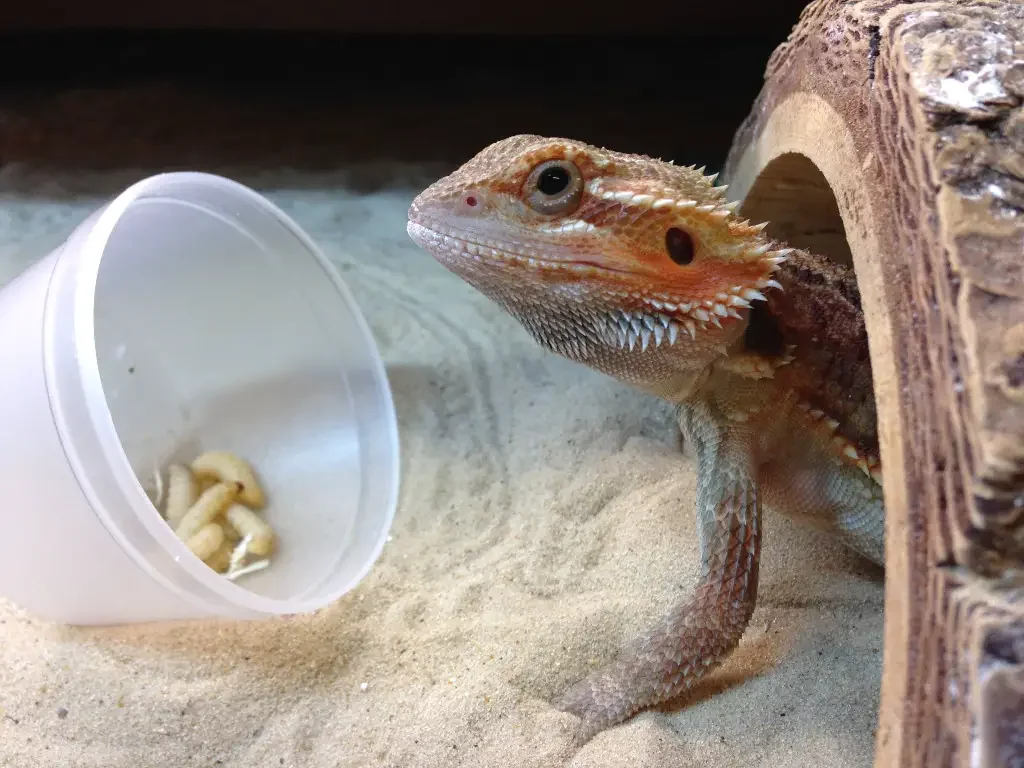
The Basics of Bearded Dragon Feeding
Feeding your bearded dragon is a crucial part of ensuring its health and longevity. These fascinating reptiles thrive on a balanced diet that mimics their natural eating habits. Understanding the fundamentals of bearded dragon nutrition is the first step toward providing the best possible care. This involves knowing what to feed, how much, and how often, ensuring that your scaly companion receives all the essential nutrients it needs to thrive.
Understanding Nutritional Needs
Bearded dragons have specific nutritional requirements that change as they grow. Young dragons need a higher protein intake to support rapid growth, while adults require a more balanced diet with less protein and more plant matter. A well-rounded diet should include a mix of insects, vegetables, and fruits, supplemented with essential vitamins and minerals. The balance of these components is key to preventing health issues such as metabolic bone disease and other deficiencies.

Protein Requirements
Protein is vital, especially for young bearded dragons. Insects form the backbone of their protein intake. Insects provide essential amino acids that are the building blocks of healthy tissues and muscles. However, the type and quality of these insects matter. High-quality insects that are properly gut-loaded offer the best nutritional value. Avoid insects that are heavily treated with pesticides, as these can be harmful to your dragon’s health.
Importance of Insects
Insects are not just a food source; they’re essential for providing the high protein levels young dragons need to grow strong and healthy. They also contribute to the calcium-to-phosphorus ratio, which is crucial for bone health. Offer insects regularly, making sure they are properly gut-loaded before feeding. This process involves feeding the insects nutritious foods, so they, in turn, provide the dragon with those nutrients.
Variety in Insect Choices

Don’t limit your dragon’s diet to just one type of insect. Variety ensures a broader spectrum of nutrients. Good choices include crickets, dubia roaches, mealworms, and black soldier fly larvae. Each insect offers a unique nutritional profile, so providing a mix benefits your dragon’s overall health. Avoid wild-caught insects due to the risk of parasites and pesticides.
Plant-Based Nutrition for Your Dragon
Alongside insects, plant-based foods are a cornerstone of a bearded dragon’s diet, especially for adults. Vegetables and fruits offer vital vitamins, minerals, and fiber that support digestion and overall wellness. The right mix of greens, vegetables, and fruits ensures a balanced diet, preventing common deficiencies and supporting a healthy metabolism. Regularly provide a selection of fresh produce to keep your dragon healthy and happy.
Essential Vegetables
Offer a variety of vegetables daily. Dark, leafy greens should form the base of the vegetable portion of their diet. Good choices include collard greens, mustard greens, and dandelion greens. These greens are rich in essential nutrients. Avoid vegetables with high oxalate content, like spinach, as they can interfere with calcium absorption. Always wash vegetables thoroughly to remove any pesticides.
Fruits and Their Role
Fruits should be offered in moderation as treats. They provide valuable vitamins and antioxidants, but they are also high in sugar. Offer fruits a few times a week, such as berries, melon, and apples. Always remove seeds and pits before feeding to prevent choking hazards. Too much fruit can lead to digestive issues and weight gain. Focus on a variety of colors and textures to keep your dragon engaged and well-nourished. (See image bearded-dragon-fruit.webp)

Top 10 Dietary Habits for Bearded Dragons
Implementing these dietary habits can significantly improve your bearded dragon’s health, ensuring it lives a long and vibrant life. From insect selection to hydration, each habit contributes to the overall well-being of your pet. These habits are essential for providing a balanced and nutritious diet, which supports optimal growth, development, and a strong immune system.

Offering the Right Insects
Select insects that are appropriate for your dragon’s size and age. Ensure the insects are gut-loaded with nutritious food before feeding them to your dragon. This enhances the nutritional value of the insects. Avoid feeding wild-caught insects due to the risk of parasites and pesticides. (See image bearded-dragon-eating-insect.webp)
Providing Variety of Vegetables
Offer a diverse selection of vegetables daily, including dark leafy greens such as collard greens and mustard greens. This variety ensures your dragon receives a wide range of essential nutrients. Avoid vegetables that are high in oxalates, which can hinder calcium absorption. Chop vegetables into bite-sized pieces to make them easier for your dragon to eat.
Including Fruits
Fruits should be provided as occasional treats. Offer fruits such as berries and melon. Ensure fruits are seedless and given in moderation to avoid digestive issues and excessive sugar intake. This helps maintain a balanced diet and prevents overfeeding. (See image bearded-dragon-fruit.webp)
Supplementing with Calcium and Vitamins
Dust insects and vegetables with calcium and vitamin supplements, especially calcium with vitamin D3, to support bone health. This is particularly important for young dragons. Follow the recommended dosage on the supplement packaging to avoid over-supplementation, which can also be harmful. (See image bearded-dragon-calcium-supplement.webp)
Controlling Portion Sizes
Adjust the amount of food you offer based on your dragon’s age and activity level. Overfeeding can lead to obesity and related health issues. Monitor your dragon’s weight and body condition to ensure it is within a healthy range. Offer food in a quantity that it can consume in a set period, usually 10-15 minutes.

Providing Fresh Water Daily
Always provide a bowl of fresh, clean water. Change the water daily to prevent bacterial growth. Ensure the water bowl is shallow enough for your dragon to easily access. Some dragons may also enjoy being misted with water to aid in hydration. (See image bearded-dragon-drinking-water.webp)
Avoiding Harmful Foods
Never feed your dragon foods that are toxic or difficult to digest. This includes avocados, rhubarb, spinach (in excess), and citrus fruits. Do thorough research on any new food items before introducing them into your dragon’s diet. Some foods may seem safe but could cause digestive issues or other health problems.
Understanding Feeding Frequency
Adjust feeding frequency based on your dragon’s age. Young dragons need to be fed more frequently than adults. Younger dragons need to eat insects multiple times a day, while adults can eat less frequently, with a larger proportion of their diet being vegetables. Create a consistent feeding schedule to help regulate your dragon’s digestive system and overall health.
Monitoring Your Dragon’s Weight
Regularly weigh your dragon to ensure it’s maintaining a healthy weight. Use a kitchen scale for accuracy. Changes in weight can indicate potential health problems or dietary imbalances. Keep a record of your dragon’s weight to monitor its growth and overall health, consult your veterinarian if you notice any significant changes.
Observing Eating Behavior
Pay attention to your dragon’s eating habits and behaviors. If it suddenly stops eating, it could be a sign of illness or stress. Changes in appetite or food preferences can indicate underlying health issues. Consult a veterinarian if you observe any unusual eating behaviors or a loss of appetite.
Feeding Schedule and Quantity
Establishing a consistent feeding schedule is crucial for a bearded dragon’s health. This section provides guidance on how to adjust feeding frequency and portion sizes based on the dragon’s age, activity level, and overall health. A proper feeding schedule will ensure your bearded dragon receives the correct amount of nutrients to thrive. This consistency aids in digestion and helps maintain a healthy metabolism.
Feeding Frequency by Age
Young bearded dragons (under 18 months) should be fed insects twice or three times daily. They require a higher protein intake to support rapid growth. Adult dragons (over 18 months) can be fed once a day or every other day. The adult diet should be mostly plant-based, with a smaller portion of insects. The key is to gradually reduce the frequency of insect feeding as your dragon matures. This helps avoid overfeeding and obesity. Always provide fresh water daily.
Portion Control and How to Measure
For insects, offer as many as your dragon can eat within 10-15 minutes. For vegetables, offer a portion that is about the size of the dragon’s head. Avoid leaving uneaten food in the enclosure, as it can attract pests and spoil. Overfeeding leads to obesity and health problems. The key is to observe your dragon’s eating habits and adjust portions accordingly. Monitoring weight regularly is also essential. (See image bearded-dragon-eating-too-much.webp)
Water and Hydration

Proper hydration is as vital as a balanced diet for bearded dragons. Hydration supports essential bodily functions, from digestion to temperature regulation. In this section, we will cover the importance of providing fresh water and how to recognize and address signs of dehydration. Always ensure that your bearded dragon has access to a clean water source to maintain optimal health and well-being.
Water Source and Availability
Provide a shallow water bowl in the enclosure. The water should be clean and easily accessible. Change the water daily to prevent bacterial growth. Some bearded dragons may also enjoy being misted with water. The humidity in the enclosure should be moderate. Regular misting can also help maintain appropriate humidity levels, especially during shedding. (See image bearded-dragon-drinking-water.webp)
Recognizing Dehydration Signs
Signs of dehydration include sunken eyes, wrinkled skin, and lethargy. If you notice these signs, increase the frequency of misting or offer water directly. If your dragon shows severe signs of dehydration, consult a veterinarian immediately. Always monitor your dragon’s behavior to detect these signs early. Prompt action is vital to prevent health complications.
Common Feeding Mistakes to Avoid
Avoiding common feeding mistakes will help you keep your bearded dragon healthy and happy. This section highlights some frequent errors that owners make when feeding their bearded dragons and how to prevent them. Recognizing and avoiding these errors is essential for ensuring the long-term health of your pet. Correcting these mistakes can significantly improve your dragon’s quality of life and prevent serious health issues.
Overfeeding
Overfeeding leads to obesity, which can cause serious health problems such as fatty liver disease and metabolic bone disease. Monitor your dragon’s weight and adjust portions to avoid excessive weight gain. Offer food in reasonable amounts and avoid leaving large quantities of uneaten food in the enclosure. Regular exercise and an active lifestyle can also help mitigate the risks of overfeeding. (See image bearded-dragon-eating-too-much.webp)
Feeding Inappropriate Foods
Certain foods are harmful to bearded dragons. Avoid feeding foods like avocados, spinach, citrus fruits, and rhubarb. These foods can be toxic or difficult to digest. Always research new foods before introducing them into your dragon’s diet to prevent health complications. A balanced diet comprised of recommended insects, vegetables, and fruits is essential for your dragon’s health. Always research and consult with a vet.
Neglecting Supplementation
Failing to supplement with calcium and vitamins can lead to metabolic bone disease. Dust insects and vegetables with calcium and vitamin supplements, especially calcium with vitamin D3. Proper supplementation is vital, especially for young dragons. However, avoid over-supplementation, as it can also be harmful. Following the recommended dosage on supplement packaging is crucial to maintain the right balance.
Conclusion
By following these feeding insights and dietary habits, you can ensure your bearded dragon receives the optimal nutrition it needs to thrive. A well-balanced diet, proper hydration, and avoidance of common feeding mistakes are essential for maintaining your dragon’s health, happiness, and longevity. Regular monitoring of your dragon’s weight, behavior, and overall health will further enhance your ability to provide the best possible care. Remember, a healthy dragon is a happy dragon!