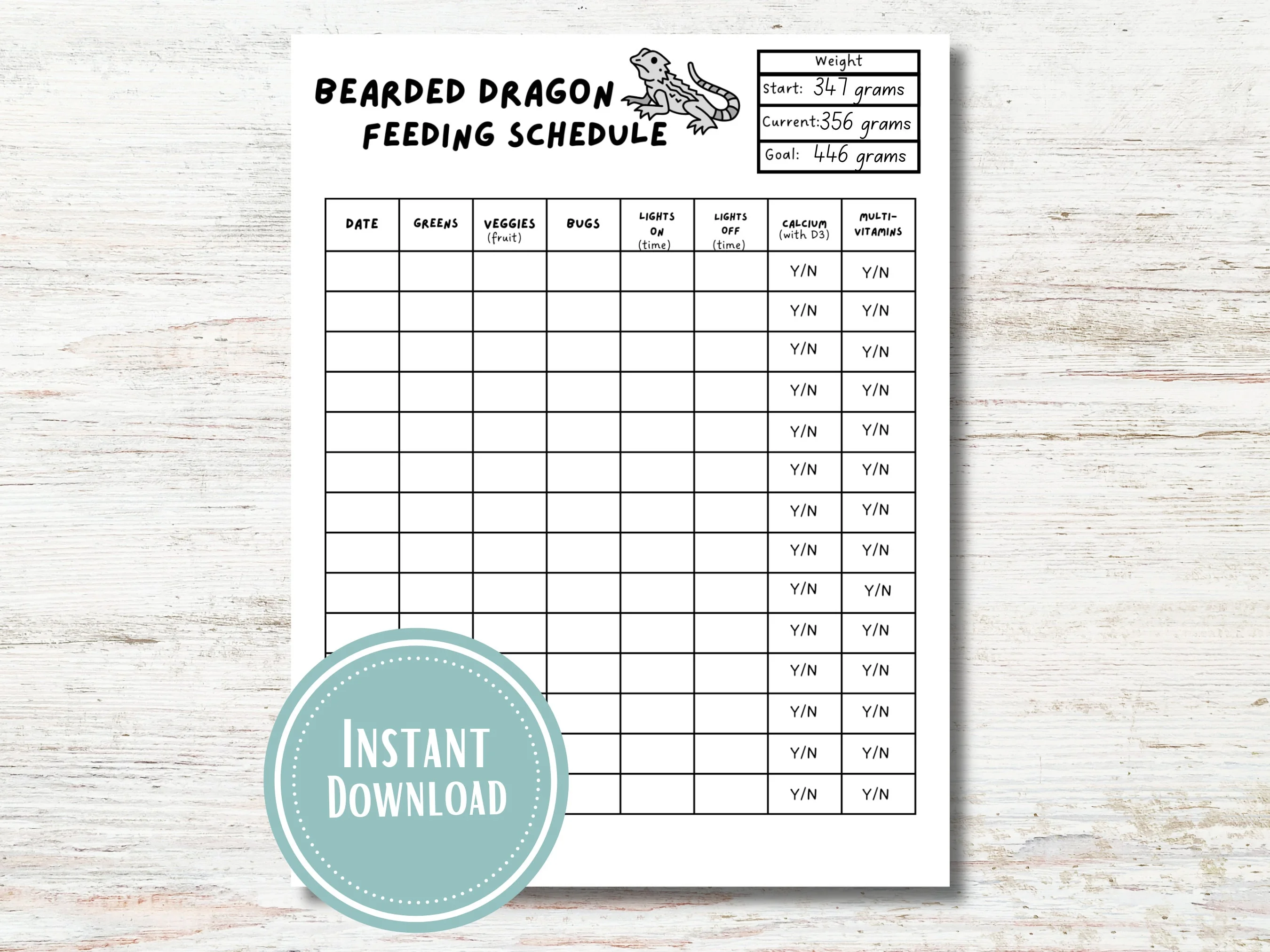
Understanding Bearded Dragon Feeding Needs
Bearded dragons, fascinating reptiles, require specific dietary considerations to thrive. As insectivores and herbivores, their nutritional needs evolve throughout their lifespan. Understanding these needs is the first step to providing optimal care, especially for busy owners. A balanced diet supports their growth, energy levels, and overall well-being. This involves providing a variety of insects, leafy greens, and occasionally fruits, ensuring they receive the necessary vitamins and minerals for a healthy life. The following sections will give you the essential points to make your bearded dragons happy and healthy.
Why Timing Matters for Bearded Dragons
Timing plays a crucial role in a bearded dragon’s feeding schedule. It affects their digestion, activity levels, and overall health. Regular feeding times help regulate their metabolism and create a predictable routine. This is particularly important for diurnal reptiles, like bearded dragons, which are most active during the day. Establishing a consistent schedule aligns with their natural behaviors and ensures they receive the energy they need when they need it most. Consistent timing also reduces stress, making them less likely to refuse food and more receptive to their meals.
The Impact of Feeding Schedules on Bearded Dragons
Feeding schedules directly influence a bearded dragon’s health and behavior. A well-structured schedule supports healthy growth, prevents obesity, and ensures proper nutrient absorption. Inconsistent feeding, on the other hand, can lead to metabolic disorders and behavioral issues. Regularly scheduled meals allow for better monitoring of food intake, making it easier to detect changes in appetite that could indicate illness. This predictability also helps in bonding with your pet, as they associate you with positive experiences and food.

Factors Influencing Bearded Dragon Feeding
Several factors affect how and when you should feed your bearded dragon. Age, size, activity level, and health conditions all play a role in determining their dietary needs. Young dragons, for example, require more frequent feeding to support rapid growth, while adults eat less often. Activity level also influences appetite, with more active dragons needing more calories. Any health issues may affect their appetite, so adjustments may be needed.

Age and Size

Younger bearded dragons (juveniles) need to be fed more frequently than adults because they are growing at a faster rate. Babies require multiple small meals throughout the day, typically 2-3 times. As they mature, the frequency can be reduced to once a day, then gradually to once every other day. The size of the dragon dictates how much food they need at each feeding. Therefore, it is crucial to adjust portion sizes appropriately as they grow. Monitoring their weight and overall body condition helps fine-tune their diet.
Activity Level
Active bearded dragons, whether in a large enclosure or allowed supervised time outside, tend to burn more calories and therefore require more food. A dragon with a high activity level might need slightly larger portions or more frequent feeding compared to a less active one. Observation is key; if your dragon appears to have a constant hunger or is losing weight, you may need to increase the food. Providing enrichment activities, such as climbing branches or toys, can also increase activity levels, thus potentially affecting their dietary needs.
Health Considerations
Health issues such as parasites, infections, or other illnesses can significantly impact a bearded dragon’s appetite and feeding habits. Dragons suffering from an illness may eat less or refuse food altogether. In these cases, it is important to consult a veterinarian. They may recommend changes to the diet, such as switching to easily digestible foods or providing nutritional supplements. Following a vet’s advice is essential to ensure your dragon receives the nutrients they need to recover. The image illustrates a health checkup.
Creating a Flexible Feeding Schedule
Balancing a busy lifestyle with a bearded dragon’s feeding needs is achievable with a flexible schedule. The key is to establish a routine that works for both you and your pet while ensuring they receive the proper nutrition at the correct times. Adaptability is crucial, and being able to adjust the schedule based on your dragon’s age, activity level, and any special needs is important. Here are some basic points on how to create an efficient and flexible feeding schedule.
Feeding Schedule Basics for Busy Owners
For busy owners, a simplified feeding schedule can be very helpful. Decide on a feeding time that aligns with your daily routine, either in the morning or the evening. The schedule should be consistent from day to day, allowing your dragon to anticipate their meals and regulate their metabolism. Consider your work schedule, commute times, and other commitments to find a window that works best. Preparing the food in advance and using automated feeding methods can save time and ensure consistency, even when your schedule is hectic. The image shows a feeding schedule on the wall.
Morning Feeding Routine
Morning feeding is an excellent option for busy owners who are able to prep the night before. Prepare your dragon’s meal the evening before, placing it in the refrigerator. In the morning, remove the food from the fridge, allowing it to warm up to room temperature before serving. This approach ensures you can quickly feed your dragon and start your day without delay. If your dragon prefers, you can prepare their salad with fresh greens and lightly mist it with water to provide hydration. This gives them energy to be active all day.
Evening Feeding Routine
Evening feeding is ideal for those who are available in the later part of the day. This setup allows you to interact with your dragon after work, offering a chance to provide fresh insects and greens. Prepare your dragon’s food after returning home, and you can monitor your pet’s behavior at the same time. This can also be a good time for a quick enclosure checkup. Remember to consider your dragon’s activity level when deciding on the portion sizes for the evening meal. The image shows a Bearded Dragon with its food.
Weekends and Variations
Weekends offer more flexibility in your feeding schedule. Take this opportunity to vary the types of food you offer. Perhaps try new types of insects or leafy greens to provide a wider range of nutrients. You may also consider feeding at slightly different times on weekends, depending on your schedule. Maintain a consistent feeding schedule as much as possible, and if you are planning on taking your dragon with you, make sure you prepare their food ahead of time. This prevents sudden changes from their everyday life.
Meal Prep for Time-Saving
Meal prepping is an essential strategy for busy owners to ensure their bearded dragon receives a balanced diet consistently. Preparing food in advance minimizes daily time commitments, ensuring your pet is well-fed even when you have limited time. This is where the image of prepped food comes in. By taking a few hours each week to prepare meals, you can streamline your feeding routine and give your pet the healthy food they need. This method also allows you to maintain better control over the quality and variety of food your dragon eats, leading to an easier way to give your dragon the proper nutrients.
Preparing Food in Advance
Allocate a specific time each week for meal prep. Begin by gathering fresh vegetables and insects. Wash and chop vegetables, then store them in airtight containers. Prepare insect meals by gut-loading them with nutritious foods for 24 hours. Then, store them in a way that’s easy to access. Pre-portioning meals into individual containers can save even more time. This process ensures you are providing a variety of nutrients for your bearded dragon. The image shows prepped vegetables for the dragons.
Storing Food Properly
Proper storage is essential to maintain the freshness and nutritional value of your dragon’s food. Store chopped vegetables in airtight containers in the refrigerator. This prevents spoilage and keeps them crisp. Live insects should be kept in a secure, ventilated container with appropriate food and hydration. This ensures they remain healthy and nutritious for your pet. Regularly check the food for signs of spoilage and discard anything that appears to be rotting. Clean containers frequently to keep the food safe and maintain the health of your bearded dragon.
Quick Feeding Options
When time is very limited, having quick feeding options is a lifesaver. Consider using pre-made insect feeders or commercially available bearded dragon food with balanced nutrition. These options are convenient for busy days. Ensure that the quick options you choose meet the nutritional needs of your dragon. Make sure that the food is not expired and that you are varying the food to make sure your dragon does not get bored and eat better. Always supplement these options with fresh greens and water to support the well-being of your dragon.
Essential Supplies for On-the-Go Feeding
Preparing for on-the-go feeding is important if you have an active lifestyle. Carrying the right supplies makes it easier to maintain your dragon’s feeding schedule, even when you are away from home. Think about portability and convenience to ensure your pet receives their meals on time. This section explores essential items and how to use them effectively. You may be able to do this for your Bearded Dragon. The image shows travel supplies.
Travel-Friendly Food Containers
Use travel-friendly food containers that are easy to pack and transport. Small, airtight containers or resealable bags are ideal for storing pre-portioned meals. Choose containers that are easy to clean and won’t leak or spill. When traveling, make sure the containers are secured to prevent them from opening accidentally. Ensure the containers keep the food fresh and safe, maintaining its nutritional value. Remember to always carry enough food for the planned trip, plus some extra in case of unforeseen delays.
Water Bottles and Sprayers
Water is essential for maintaining hydration, so a water bottle or a small sprayer is very useful. A small water bottle can be easily carried and used to provide drinking water for your dragon. Sprayers are great for misting the enclosure and vegetables, keeping them fresh and providing added moisture. When using a sprayer, make sure the water is clean, and the mist is fine enough not to cause excessive wetness in the enclosure. Regularly clean and refill the water bottles and sprayers to prevent bacterial growth and keep your bearded dragon safe and healthy.
Easy to Clean Feeding Bowls
Choose feeding bowls that are easy to clean and disinfect for your Bearded Dragon’s health. Stainless steel or ceramic bowls are ideal because they are durable and can be easily cleaned. These are easy to sterilize and prevent bacterial growth. Select bowls that are the appropriate size for your dragon to avoid them tipping or making a mess. Always wash the bowls after each feeding to prevent the build-up of food residue and keep the feeding area clean. The image shows an easy-to-clean bowl.
Adapting to Different Lifestyles
Adapting your Bearded Dragon’s feeding schedule to your lifestyle requires flexibility and planning. Whether you travel frequently, work long hours, or have a variable schedule, you can find ways to meet your pet’s needs. Adapt the methods in the previous sections to accommodate your situation, keeping the health and well-being of your bearded dragon as your priority. This section provides specific strategies for the most common lifestyle changes.

Adjusting for Work and Travel
If you work long hours or travel frequently, plan accordingly. Use meal prep to prepare food in advance. Consider automated feeders or ask a trusted friend or family member to assist with feeding. When traveling, bring pre-portioned meals, water, and supplies. Ensure your pet has enough food and water while you are away, and that they are safe and comfortable. Maintaining a consistent schedule is crucial for your dragon’s well-being, so make adjustments as needed to fit your lifestyle. Pack the food in the container to maintain its freshness.

Feeding During Vacations
Vacations require special planning. If you cannot bring your bearded dragon with you, arrange for a reliable person to care for your pet while you’re gone. Provide detailed feeding instructions, pre-portioned meals, and clear directions for preparing and serving the food. If you are taking your dragon with you on vacation, pack all essential supplies, including food, water, and any necessary medications. Bring a travel enclosure to ensure your dragon is comfortable. During vacation, the goal is to keep their feeding schedule and routine consistent.
Dealing with Dietary Challenges
Sometimes, you may face challenges in feeding your bearded dragon, such as picky eaters or hydration issues. Understanding how to address these difficulties is crucial for maintaining your pet’s health. By being proactive and patient, you can resolve these challenges and ensure your dragon receives a balanced diet. This section explores the most common dietary problems and suggests solutions. The image shows a picky eater.
Dealing with Picky Eaters
Picky eaters can be a challenge. Try different types of insects and leafy greens to identify your dragon’s preferences. Varying the food regularly can keep them interested. Ensure the food is fresh and appealing. If your dragon refuses to eat, consult a veterinarian to rule out any underlying health issues. Sometimes, adding a small amount of fruit (in moderation) can encourage them to eat. Patience and persistence are essential. The image shows a picky eater.
Ensuring Proper Hydration
Hydration is essential for bearded dragons. Provide fresh water daily in a shallow dish. You can offer water via a dropper or syringe if the dragon doesn’t drink from a bowl. Mist their enclosure to increase humidity, which helps in hydration. Ensure that the water is always clean and fresh. Monitor your dragon’s stools; if they are dehydrated, it might be necessary to adjust the hydration strategy. Signs of dehydration include sunken eyes, wrinkled skin, and lethargy.
Health and Wellness
Maintaining your bearded dragon’s health and wellness involves more than just feeding. It involves observing behavior, monitoring for signs of illness, and providing a suitable environment. A well-cared-for dragon is happier and lives a longer, healthier life. Regular vet visits and vigilance in the appearance and behavior of your dragon is crucial. The image shows a vet visit.
Monitoring Your Bearded Dragon’s Health
Regularly monitor your dragon for any signs of illness. Watch for changes in appetite, activity levels, and stool consistency. Check their skin for any unusual spots or lesions. Observe their eyes and mouth for any discharge. If you notice anything unusual, consult your veterinarian immediately. Early detection of health issues can improve the chances of a successful treatment and keep your dragon happy and healthy. Regular weighing is also a way to check the condition of the health.
Signs of Overfeeding or Underfeeding
Knowing the signs of overfeeding and underfeeding is important for ensuring your bearded dragon’s well-being. Signs of overfeeding include rapid weight gain, fat deposits, and lethargy. Underfeeding can lead to weight loss, stunted growth, and a general lack of energy. Adjusting the portion sizes based on your dragon’s age, size, and activity level is crucial. Regularly monitor your dragon’s weight and appearance, and consult your vet for advice. The image illustrates a Bearded Dragon’s health.
Importance of Regular Vet Visits

Regular vet visits are essential for maintaining your bearded dragon’s health. A qualified veterinarian can perform routine checkups, check for parasites, and provide advice on diet and care. They can also detect and treat any health issues early on, improving the chances of a full recovery. Consult a vet at least once a year for a comprehensive checkup. The vet can also provide personalized guidance to keep your dragon thriving. This regular care is a fundamental part of responsible pet ownership. The image shows an important vet visit.
