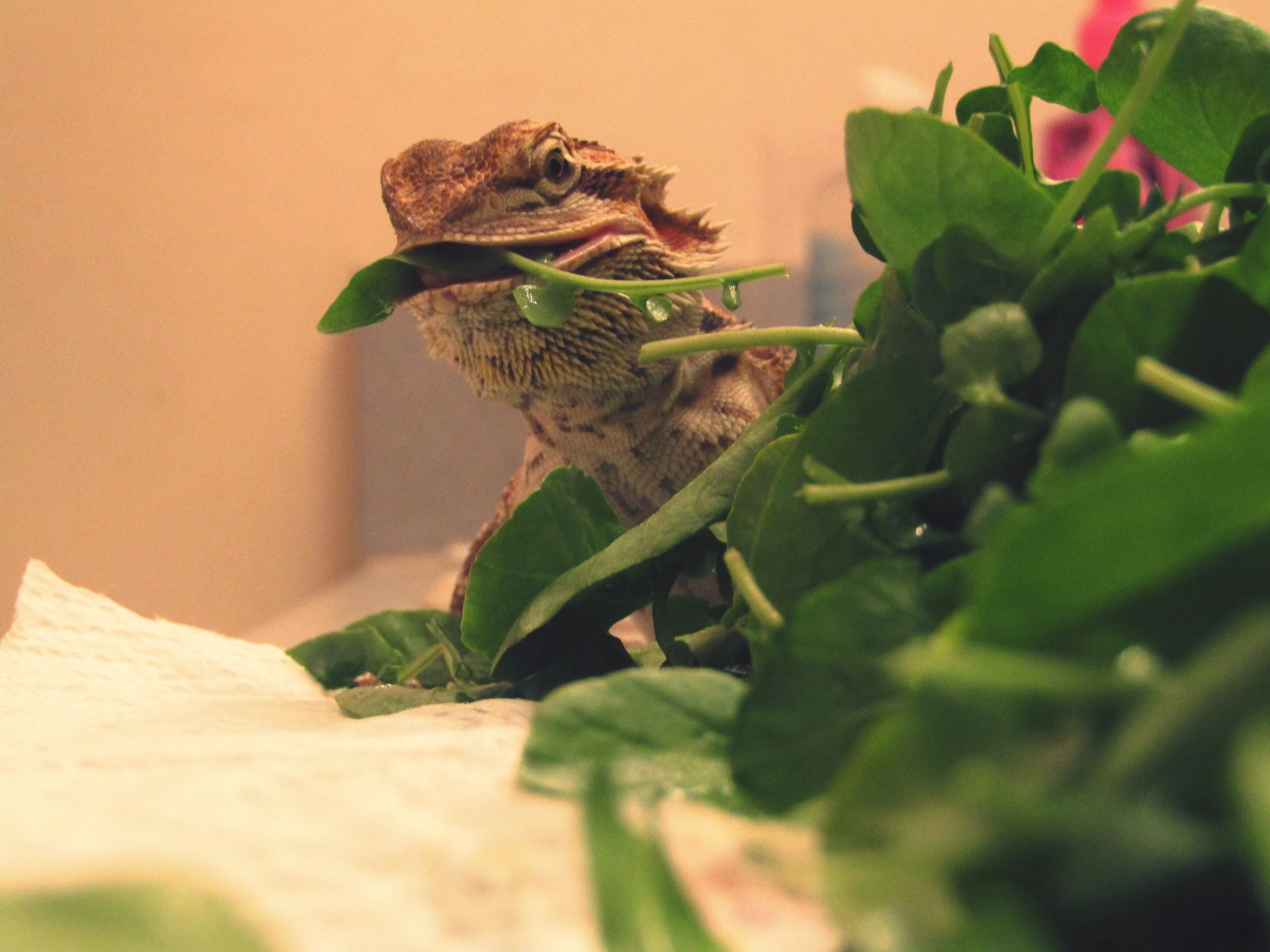
Why Is My Bearded Dragon a Finicky Eater?
Is your bearded dragon turning up its nose at its food? You’re not alone. Finicky eating is a common issue among these popular reptile pets. Understanding the reasons behind this behavior is the first step in resolving it. Many factors can contribute to a bearded dragon’s pickiness, ranging from environmental stressors to underlying health concerns. Identifying the root cause is crucial for implementing effective feeding strategies. This guide will explore the common reasons for picky eating and provide actionable secrets to encourage your bearded dragon to eat a healthy, balanced diet. Remember, a well-fed bearded dragon is a happy and healthy one.
Common Causes of Picky Eating
Several factors can contribute to a bearded dragon’s finicky eating habits. It’s essential to consider these possibilities when assessing your pet’s behavior. Pickiness can stem from stress, environmental issues, or even underlying health problems. Careful observation and a bit of detective work are often required to pinpoint the specific cause. Once you identify the problem, you can implement the right strategies to encourage your bearded dragon to eat. Remember that patience and consistency are key to success, as it may take time for your dragon to adjust and develop healthier eating habits. This section outlines the common causes and gives you a better understanding of your reptile’s behavior.
Stress and Environmental Factors

Bearded dragons are sensitive creatures, and stress can significantly impact their appetite. Changes in their environment, such as moving to a new enclosure or the presence of other pets, can cause stress and lead to reduced food intake. Inadequate temperature gradients, improper lighting, or lack of hiding spots can also contribute to stress. Ensure your bearded dragon’s enclosure provides a secure and comfortable environment. Regular cleaning, maintaining a consistent temperature, and providing ample hiding places are all essential for minimizing stress. Observe your dragon’s behavior closely, as signs of stress can include lethargy, hiding, and changes in eating habits. Addressing these environmental stressors can often lead to an improvement in appetite.
Health Issues
Sometimes, a bearded dragon’s reluctance to eat can indicate an underlying health problem. Parasites, such as pinworms, can cause digestive upset and loss of appetite. Respiratory infections, metabolic bone disease, and other illnesses can also affect their eating habits. If your bearded dragon shows other signs of illness, such as lethargy, weight loss, or unusual droppings, it’s crucial to consult a veterinarian experienced in reptile care. A proper diagnosis and treatment plan are essential to address any health issues and restore your dragon’s appetite. Regular checkups and preventative care can help identify and address potential health concerns before they significantly impact your pet’s well-being.
Top 5 Bearded Dragon Feeding Secrets
Now that you understand the potential causes of finicky eating, let’s explore some actionable secrets to help your bearded dragon eat a healthy diet. These tips are designed to address various aspects of feeding and create a more positive and engaging feeding experience for your pet. From food variety to environment optimization, these secrets will provide you with the tools to overcome picky eating and ensure your dragon thrives. Remember to be patient, consistent, and observant, and tailor your approach to meet your dragon’s unique needs and preferences.
Secret 1 Offer a Variety of Foods
One of the most effective strategies to combat picky eating is to offer a diverse range of foods. Bearded dragons thrive on a varied diet, including insects, vegetables, and fruits. Introducing different types of insects, such as crickets, dubia roaches, and mealworms, can stimulate their interest in food. Similarly, offer a mix of leafy greens, vegetables, and occasionally fruits. This approach ensures your dragon receives a wide array of nutrients and prevents them from becoming bored with their meals. Rotate the foods you offer to keep things exciting and discover your dragon’s favorite choices. A varied diet also helps prevent nutritional deficiencies and promotes overall health.
The Importance of Insects
Insects form a crucial part of a bearded dragon’s diet, providing essential protein and nutrients. Offer a variety of insects to keep things interesting and ensure they receive a balanced intake. Crickets and dubia roaches are excellent staple insects, while mealworms and superworms can be given as occasional treats. Always ensure the insects are gut-loaded before feeding them to your dragon; this means feeding the insects a nutritious diet to pass those nutrients on to your pet. Dust the insects with calcium and vitamin supplements to provide additional essential vitamins. Regularly monitor your dragon’s weight and body condition to ensure they are getting enough food.
Vegetable and Fruit Choices
In addition to insects, a well-balanced diet for your bearded dragon includes a variety of vegetables and, in moderation, fruits. Leafy greens like collard greens, mustard greens, and dandelion greens should form the base of their vegetable intake. Other beneficial vegetables include squash, bell peppers, and carrots. Offer fruits sparingly, as they are high in sugar. Suitable fruits include berries, melon, and apples. Chop the vegetables and fruits into small, manageable pieces to make them easier for your dragon to eat. Introduce new foods gradually and observe your dragon’s preferences. By offering a variety of fresh, nutritious options, you can encourage your bearded dragon to eat a balanced diet.
Secret 2 Optimize the Feeding Environment
The environment where your bearded dragon eats can significantly impact their appetite. Creating a comfortable and stress-free feeding environment can make a huge difference. This includes maintaining the proper temperature and lighting conditions, choosing a suitable feeding location, and ensuring that your dragon feels safe and secure during mealtime. By paying attention to these environmental factors, you can create a more positive feeding experience, encouraging your dragon to eat more consistently. Remember, a calm and stress-free environment will make it more likely that your dragon will enjoy their meals.
Temperature and Lighting
Bearded dragons are ectothermic, meaning they rely on external sources for regulating their body temperature. Providing a proper temperature gradient within the enclosure is crucial for digestion and appetite. The basking spot should be around 100-110°F (38-43°C), while the cooler side should be in the range of 75-85°F (24-29°C). Use a reliable thermometer to monitor the temperatures. Proper lighting, including UVB and UVA bulbs, is also essential for vitamin D3 synthesis and overall health. Ensure the UVB bulb is the correct type and strength for your dragon’s enclosure size. Make sure the lights are appropriately placed and replace the bulbs as recommended by the manufacturer to maintain their effectiveness. These factors ensure your dragon can properly digest food.
Feeding Times and Location
Establishing a consistent feeding schedule can help regulate your bearded dragon’s appetite. Feed young dragons (under 18 months) once or twice a day, while adults can be fed once a day or every other day. Offer food during the day, when your dragon is most active and the lights are on. Choose a consistent location within the enclosure for feeding, such as a shallow dish. This creates a routine that can make mealtime more predictable and less stressful. Avoid feeding your dragon in a location where they feel exposed, such as the center of the enclosure. Providing a private area for feeding can make them feel safer and encourage them to eat.
Secret 3 Make Food More Appealing
Sometimes, all it takes to overcome picky eating is making your bearded dragon’s food more appealing. There are several simple strategies you can implement to enhance the palatability of their meals, from enhancing the textures and smells of the food to offering live prey. By making the food more interesting, you can entice your dragon to eat and develop healthier eating habits. Experiment with different techniques to discover what works best for your individual pet. Remember, a little creativity can go a long way in making mealtime more enjoyable and successful for both you and your bearded dragon.
Ways to Enhance Palatability
There are several easy ways to make your bearded dragon’s food more appealing. Try warming the food slightly before serving to enhance the aroma, which can stimulate their appetite. Offer food in different textures and sizes to provide variety and interest. You can also experiment with adding a small amount of flavorful ingredients to their food. Avoid adding any seasoning, salt, or sugar to your bearded dragon’s food, as they are harmful. By making the food visually and olfactorily appealing, you can make your dragon more likely to eat. Varying the presentation of the food, for example, by hiding it in a puzzle feeder, can also encourage your bearded dragon to engage with its food.
Live vs. Dead Insects


Many bearded dragons are more attracted to live insects because the movement stimulates their hunting instincts. Offering live insects can make mealtime more engaging and exciting. When offering live insects, ensure the prey size is appropriate for your dragon’s size to prevent choking hazards. Avoid leaving live insects in the enclosure for extended periods, as they can stress your dragon and potentially bite. If your dragon is particularly picky, you can try offering a mix of live and dead insects. Some dragons may also enjoy the challenge of hunting for their food. By carefully observing your dragon’s preferences, you can tailor your approach and find the best way to make their meals more appealing.
Secret 4 Know What NOT to Feed
Equally important to knowing what to feed your bearded dragon is knowing what NOT to feed them. Certain foods can be toxic, difficult to digest, or lack essential nutrients, potentially harming your pet. By avoiding these foods, you can help ensure your dragon’s health and well-being. Always research the safety of any new food item before offering it to your pet. This awareness is crucial for preventing health problems and promoting longevity. A balanced diet is critical to your dragon’s health.

Toxic Foods and Harmful Ingredients

Several foods are toxic or harmful to bearded dragons and should be strictly avoided. Avoid feeding them foods high in oxalates (spinach), as they can bind to calcium and hinder its absorption. Avoid feeding avocados, as they contain persin, which can be toxic. Also, avoid feeding citrus fruits, as the high acidity can cause digestive issues. Processed human foods, such as bread, pasta, and dairy products, are not suitable for bearded dragons and can lead to health problems. Always double-check the safety of any food before introducing it to your dragon’s diet, and remember to provide fresh, clean water at all times.
Secret 5 Consistency and Patience
Overcoming picky eating in bearded dragons often requires consistency and patience. It may take time for your dragon to adjust to new foods or changes in their feeding routine. Avoid giving up easily, and continue to offer a variety of healthy options. Consistency in your approach will help build trust and encourage your dragon to explore new foods. Patience is vital, as it may take days or even weeks to see noticeable improvements in their eating habits. Remain persistent and stay positive, and eventually, your bearded dragon should learn to eat a healthier and more balanced diet.
Building Trust and Encouraging Consumption
Building trust and creating a positive association with food is essential for encouraging your bearded dragon to eat. Handle your dragon gently during feeding time to minimize stress. Speak to your dragon in a calm and reassuring voice as you offer food. If your dragon is hesitant to try new foods, try hand-feeding them occasionally, and slowly introduce the new item into their diet. Make mealtime a positive experience by avoiding sudden movements or loud noises. By building a trusting relationship with your dragon, you can help them feel more comfortable and willing to try new foods. Remember that every dragon is an individual, so finding what works best may require some trial and error.
Addressing Long-Term Finicky Eating

If your bearded dragon has a long-standing history of picky eating, it’s important to take a comprehensive approach to address the issue. This might involve consulting with a veterinarian to rule out any underlying health problems and implementing a consistent feeding plan. You may need to experiment with various feeding strategies, such as offering a wider variety of foods, optimizing the feeding environment, and making the food more appealing. Consistency and patience are essential in these cases, as it may take time for your dragon to adapt and develop healthier eating habits. Regularly monitor your dragon’s weight and overall health to track their progress and make any necessary adjustments to their diet.

When to Consult a Veterinarian
While many cases of picky eating can be resolved with changes in diet and environment, it’s important to know when to seek professional veterinary help. If your bearded dragon shows signs of illness, such as lethargy, weight loss, or unusual droppings, consult a veterinarian experienced in reptile care immediately. Also, seek veterinary advice if your dragon’s appetite doesn’t improve despite your efforts, or if you notice any changes in their behavior or appearance. A veterinarian can perform a thorough examination, diagnose any underlying health issues, and provide a tailored treatment plan. Early intervention can significantly improve your dragon’s chances of recovery and ensure they receive the care they need to thrive.