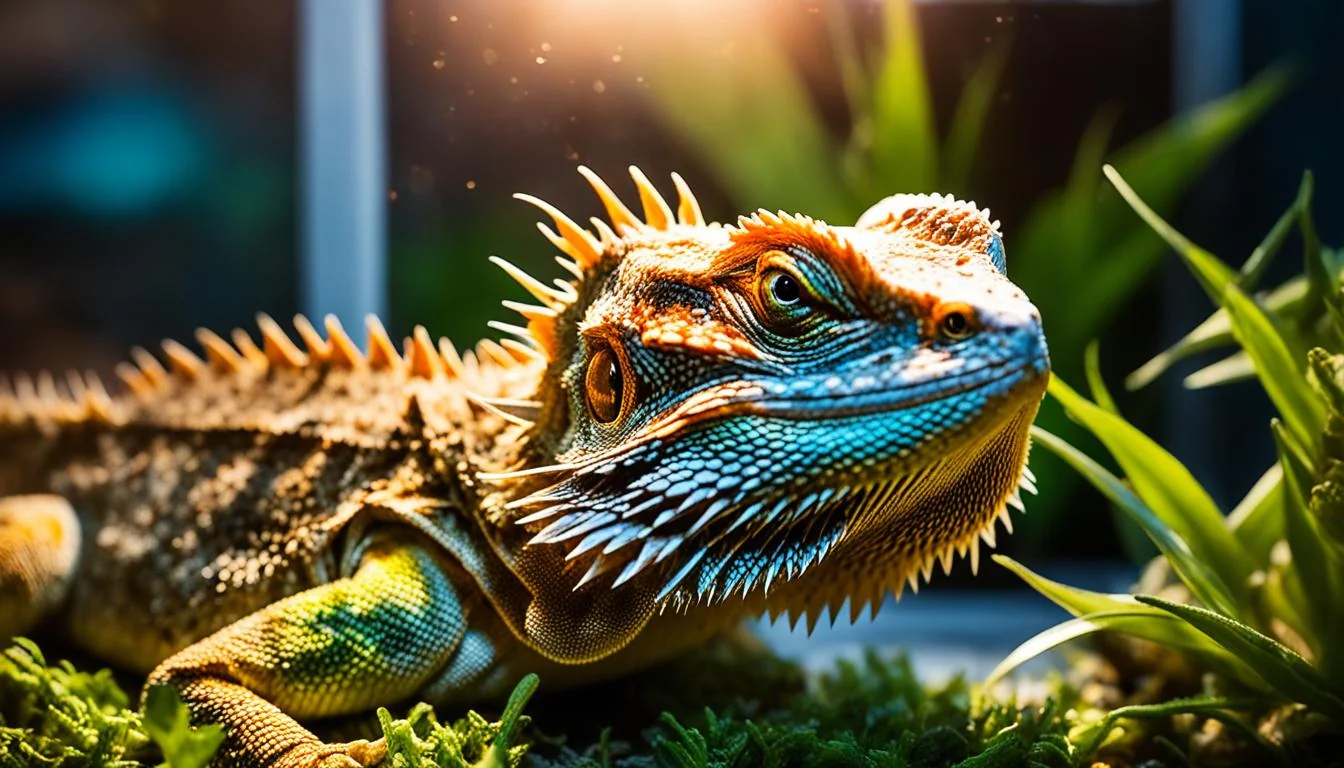
Understanding Bearded Dragon Digestion
Bearded dragons, fascinating reptiles known for their docile nature and striking appearance, require a specific feeding regime to ensure optimal health and well-being. Understanding their digestive processes is the first step in providing the right diet. Unlike mammals, bearded dragons are ectothermic, meaning they rely on external heat sources to regulate their body temperature. This directly impacts their digestion, making it crucial to provide the correct environment and food for efficient nutrient absorption. A healthy digestive system is vital for energy, growth, and overall vitality, so understanding the factors affecting your bearded dragon’s digestive health is essential for responsible pet ownership. This guide delves into the intricacies of bearded dragon digestion, offering practical tips and insights to keep your scaly friend thriving.
Factors Affecting Feeding Frequency
Several factors influence how often you should feed your bearded dragon. Age, size, and the type of food all play significant roles in determining the ideal feeding frequency. Young dragons, in their rapid growth phase, require more frequent meals compared to adults. Similarly, the size and weight of your dragon will influence the amount of food they consume. Understanding these variables will allow you to tailor your dragon’s diet for optimal health. This section explores how these factors interact and provides the knowledge needed to create a personalized feeding plan for your beloved reptile. Adjusting the diet based on these factors will ensure your dragon receives the proper nutrition for a long and healthy life, so pay close attention as we continue through the best feeding practices.
Age of Your Dragon
The age of your bearded dragon is a primary factor in determining its feeding frequency. Baby bearded dragons (0-3 months old) require the most frequent feeding, typically 2-3 times per day. This is because they are in a rapid growth phase and need a constant supply of energy and nutrients. As your dragon grows into a juvenile (3-12 months old), the feeding frequency can be reduced to once or twice a day. Adult bearded dragons (over 12 months old) generally need to be fed once a day or even every other day, depending on their activity level and overall health. Monitoring your dragon’s growth and adjusting the feeding schedule accordingly is key to preventing underfeeding or overfeeding, both of which can lead to health problems. Always remember to observe your dragon’s behavior and adjust the feeding schedule as needed.
Size and Weight of Your Dragon
The size and weight of your bearded dragon directly impact the quantity of food it needs. A larger, heavier dragon will naturally require more food than a smaller one. It’s crucial to monitor your dragon’s body condition score, assessing its weight and overall physique. A healthy dragon should have a slightly rounded belly and not appear overly thin or obese. If your dragon appears underweight, you may need to increase the amount of food offered, while if it’s overweight, you should reduce the portion sizes. Always consult with a veterinarian or reptile specialist if you have concerns about your dragon’s weight. Regular weighing and observation are key practices in maintaining the correct feeding regimen for a healthy and happy bearded dragon, so ensure you are measuring your dragon often.
Type of Food

The type of food you offer also influences how frequently you should feed your bearded dragon. A varied diet is essential for providing the necessary nutrients. A balanced diet should include live insects (such as crickets, mealworms, and dubia roaches) and fresh vegetables and fruits. Insects are generally higher in protein and should be the primary food source for younger dragons, while adults can have a higher proportion of vegetables in their diet. The digestibility of the food also plays a role. Easily digestible foods may require more frequent feeding, while those that are harder to digest can be offered less often. Ensure you research the nutritional content of each food item to offer your bearded dragon the optimal diet for healthy digestion and overall health. A healthy diet will also impact the dragon’s overall demeanor, allowing it to live a longer and more fulfilling life.
Top 5 Feeding Tips for Bearded Dragons


Implementing the following tips will significantly improve your bearded dragon’s digestive health and overall well-being. These are proven strategies based on expert recommendations and years of experience in reptile care. Following these suggestions will help you create a healthy feeding plan, ensuring your dragon thrives. Remember, consistency is key, and observing your dragon’s behavior is crucial for fine-tuning the diet to suit its individual needs. With proper care, your bearded dragon will be a vibrant and active companion for many years to come.
Tip 1 Offer a Variety of Foods
A diverse diet is crucial for bearded dragons. Offer a mix of insects, leafy greens, vegetables, and occasionally fruits. This ensures your dragon receives a wide range of essential nutrients. Avoid feeding the same food every day, as this can lead to nutritional deficiencies. Rotate different insects and vegetables to provide a balanced diet. Include insects such as crickets, dubia roaches, and mealworms. For vegetables, offer options like collard greens, mustard greens, and dandelion greens. Supplement your dragon’s diet with a calcium and vitamin D3 powder to ensure proper bone health. A diverse diet not only improves digestion, but also ensures your bearded dragon is receiving all of the nutrients required for longevity.
Tip 2 Control Portion Sizes
Overfeeding can lead to obesity and digestive issues. It’s essential to monitor how much your dragon consumes and adjust the portions accordingly. A general guideline is to offer as much food as your dragon can eat in 10-15 minutes. Remove any uneaten insects or vegetables after this time to prevent overeating. Adjust the portion sizes based on the dragon’s age, size, and activity level. Baby dragons will require smaller, more frequent meals. For adult dragons, offer larger portions less frequently. Be mindful of the type of food; insects are generally high in protein and should be offered in moderation. Portion control is an important aspect of pet ownership, ensuring your bearded dragon is healthy.
Tip 3 Fresh Water is Essential
Always provide your bearded dragon with a clean, fresh water source. Water is vital for digestion, hydration, and overall health. A shallow water dish should be available at all times, and the water should be changed daily to prevent bacterial growth. In addition to a water dish, consider misting your dragon’s enclosure with water, especially during shedding periods, to help maintain humidity. Many bearded dragons also enjoy drinking water from a dripper or a spray bottle. Water helps to soften food as it moves through the digestive tract, promoting healthy bowel movements and preventing constipation. Ensuring your dragon has access to fresh water is non-negotiable, contributing significantly to their overall well-being and digestive function. A clean, full water bowl is a cornerstone to reptile care.
Tip 4 Observe Your Dragon’s Behavior
Pay close attention to your bearded dragon’s behavior to assess its digestive health. Look for signs of healthy bowel movements, which should be formed and consistent. Observe their appetite; a healthy dragon will typically have a strong appetite. If your dragon is not eating, seems lethargic, or has diarrhea or constipation, it could be a sign of digestive issues. Note the frequency of bowel movements. If there are changes, adjust the feeding schedule or consult with a veterinarian. Regular observations are the best way to understand your dragon’s needs, and adjust the feeding plan as necessary. It is important to recognize that changes in feeding habits may also indicate underlying health problems, so be vigilant and proactive.
Tip 5 Maintain a Consistent Feeding Schedule

Establishing a consistent feeding schedule helps regulate your bearded dragon’s digestive system. Feed your dragon at the same time each day to create a routine. This helps their body anticipate food and promotes regular bowel movements. Consistency also helps you monitor their appetite and overall health. Young dragons require more frequent feeding, while adults can be fed less often. Be sure to consider the age of your dragon when you formulate a feeding schedule. Stick to the schedule as much as possible, but be flexible and adjust it based on your dragon’s needs. A well-defined feeding routine minimizes digestive issues and promotes a healthy lifestyle for your bearded dragon. Adherence to a schedule is also a helpful tool to monitor your dragon’s health.
Common Feeding Mistakes to Avoid
Understanding the common feeding mistakes will help you prevent health problems and keep your bearded dragon thriving. Avoiding these errors is crucial for ensuring a long and happy life for your reptile companion. Knowledge empowers you to provide the best possible care, and it includes avoiding harmful mistakes that could negatively affect your bearded dragon’s digestion. This section offers helpful information to steer clear of potential pitfalls. Be aware of the following factors as you feed your bearded dragon and you can ensure its health and longevity.

Overfeeding Your Dragon
Overfeeding is a common mistake that leads to obesity and digestive problems. Feeding your dragon too much food can strain their digestive system, leading to weight gain and other health complications. Overweight dragons are more susceptible to liver disease, heart problems, and other serious conditions. Stick to the recommended portion sizes based on your dragon’s age and size. Offer food in amounts your dragon can consume within 10-15 minutes, and remove any uneaten portions. Monitoring your dragon’s body condition score regularly will help you adjust the feeding amount to prevent overfeeding. Remember that the best way to love your dragon is to keep it healthy, which requires careful attention to its diet.
Feeding Inappropriate Foods
Feeding inappropriate foods can harm your dragon’s digestive health and overall well-being. Certain foods are difficult to digest and may cause health issues. Avoid feeding your dragon foods high in oxalates, which can bind calcium and hinder absorption. Also, steer clear of foods that are toxic to reptiles, such as avocado. Processed foods and those high in sugar or fat should be avoided. Always research foods before feeding them to your dragon, and ensure that they are safe and beneficial. Offering only suitable foods will not only aid digestion but also ensure your bearded dragon is receiving all of the required nutrients.


Ignoring Your Dragon’s Signals
Ignoring your dragon’s signals can lead to health problems and a decreased quality of life. Pay attention to your dragon’s behavior. Observe its appetite, bowel movements, and overall activity level. If your dragon is not eating, appears lethargic, or has digestive issues such as diarrhea or constipation, it’s important to consult with a veterinarian. Failing to recognize and address these signs can worsen the situation. Regular observation and prompt action are essential for maintaining your dragon’s health. Your dragon can’t tell you what is wrong, so it’s up to you to notice any changes and seek professional advice when needed.
Creating a Healthy Feeding Schedule
Creating a healthy feeding schedule is essential for a thriving bearded dragon. Start by considering the age of your dragon, and adjust your plan as it grows. Baby dragons should eat 2-3 times per day, while adults will typically eat once daily or every other day. Offer a variety of foods, including insects and fresh vegetables. Monitor the portion sizes to avoid overfeeding. Maintain a clean, fresh water source at all times. Observe your dragon’s behavior and adjust the feeding plan as needed. By following these guidelines, you can develop a feeding plan that will help your bearded dragon thrive.