Understanding Bearded Dragon Nutritional Needs
Bearded dragons are omnivores, meaning their diet should consist of both insects and plant matter to thrive. Providing the right nutrition is crucial for their overall health, growth, and longevity. A well-balanced diet mimics their natural food sources and provides essential vitamins, minerals, and nutrients. Failure to provide a proper diet can lead to metabolic bone disease, vitamin deficiencies, and other health problems. Understanding these foundational nutritional needs is the first step toward ensuring your bearded dragon lives a long and healthy life. Ensuring proper nutrition requires understanding the specific needs of bearded dragons at different life stages, from hatchlings to adults. It also involves being informed about the appropriate balance of proteins, vegetables, and insects that are essential for their growth and well-being.
The Importance of a Balanced Diet
A balanced diet is the cornerstone of bearded dragon health. This includes a combination of insects, leafy greens, and occasional fruits. The proportion of each food group changes as your dragon ages. For young dragons, insects should make up the majority of their diet, providing essential protein for growth. As they mature, the balance shifts, with vegetables becoming a more significant portion. Overfeeding insects to an adult dragon can lead to obesity and other health complications. A well-balanced diet not only ensures the right nutrients are consumed but also helps in preventing deficiencies and promoting healthy digestion. This balanced approach is vital for ensuring a long and healthy life for your bearded dragon and preventing potential health complications. A balanced approach to feeding involves monitoring the dragon’s overall health and adjusting the diet as needed.
Impact of Diet on Health and Lifespan
What your bearded dragon eats directly impacts its health and how long it lives. A poor diet can lead to a range of health problems, including metabolic bone disease (MBD), a common and serious condition caused by calcium and vitamin D3 deficiencies. Other diet-related issues include obesity, liver disease, and digestive problems. A diet rich in essential nutrients strengthens the immune system, making your dragon less susceptible to illness. Proper nutrition supports healthy shedding, vibrant coloration, and overall vitality. By providing a diet rich in essential nutrients, you’re investing in their long-term health and ensuring they enjoy a higher quality of life. It’s essential to consistently provide a balanced diet to give your dragon the best possible chance at a long and healthy life.
Top 10 Feeding Tips for Bearded Dragons
Tip 1: The Importance of Variety
Offering a variety of foods prevents nutritional deficiencies and keeps your bearded dragon interested in eating. Relying on a single type of insect or vegetable can lead to imbalances. Experiment with different types of insects and leafy greens to create a diverse and appealing diet. Introducing new foods gradually allows your dragon to adjust and ensures you can monitor for any adverse reactions. Rotating food options keeps your dragon from getting bored and ensures they receive a wide range of nutrients. It is also essential to provide options in different colors and textures to encourage your dragon to explore various food types and satisfy their natural instincts. A varied diet contributes to a more robust immune system and better overall health.

Suitable Insects for Your Bearded Dragon
Crickets, Dubia roaches, mealworms (in moderation), and black soldier fly larvae are excellent insect choices. Crickets are a staple, while Dubia roaches offer a high protein and nutrient content. Mealworms can be given sparingly due to their higher fat content. Variety is key so try and rotate different insects weekly. Always gut-load insects before feeding them to your dragon to maximize nutritional value. It is crucial to consider the size of the insects in proportion to your dragon to prevent choking hazards or digestive issues. Avoid feeding wild-caught insects, as they may carry parasites or pesticides, which can be harmful to your bearded dragon. The best way to vary your dragons intake is to mix different insects, and insects from different sources.
Ideal Vegetables and Greens for Bearded Dragons
Offer leafy greens like collard greens, mustard greens, and dandelion greens as a base. These are packed with essential vitamins and minerals. Other good options include squash, bell peppers, and occasionally, small amounts of fruit. Avoid spinach and iceberg lettuce, as they have low nutritional value. Clean all vegetables thoroughly before feeding. Ensure that the vegetables are cut into small, manageable pieces. The main objective is to provide a variety of vegetables, while making sure that the vegetable that is offered is very healthy. A selection of various vegetables also ensures that your dragon gets a well-rounded variety of essential nutrients. The combination of insects and greens should make up the bulk of the diet, providing the necessary nutrients for healthy growth and development.
Tip 2: Portion Control for Bearded Dragons
Overfeeding can lead to obesity and related health issues. The amount of food your bearded dragon needs depends on its age, size, and activity level. Observe your dragon to gauge its appetite and adjust portions accordingly. Remove any uneaten insects or vegetables after a set time to prevent spoilage. Consistent monitoring and adjustments ensure your dragon receives the right amount of food to stay healthy. Proper portion control is important to avoid health complications like obesity. Always ensure that you are providing the right amount of food, to create a balance of vitamins, minerals and nutrients. This balance helps to maximize the health and quality of life of your bearded dragon.
Determining the Right Amount of Food
A good rule of thumb is to offer as much food as your dragon can eat in a 10-15 minute period. For insects, offer a quantity that is appropriate for their age, such as a few insects for a young dragon and more for a fully grown adult. Monitor how much food your dragon consumes and adjust the portions accordingly. Some dragons are naturally more voracious eaters than others; observing your dragon and adjusting their portions based on their appetite is the most efficient way of feeding. Over time, you will be able to notice when your dragon is satisfied. Over time you will learn how much food your dragon requires. The goal is to provide enough food without encouraging overeating and preventing the potential risks associated with an overfeeding diet.
Feeding Frequency Based on Age
Young bearded dragons require more frequent feeding due to their rapid growth. Hatchlings and juveniles should be fed insects multiple times a day. As they mature, the feeding frequency can be reduced. Adults typically need to be fed once or twice a day, with a higher emphasis on vegetables over insects. Adjust the feeding schedule based on your dragon’s age and activity level. Reduce the amount of insects offered as they age to maintain a healthy weight. Adjustments to the feeding schedule is the key to optimizing the nutritional plan. Over time, you will find the right balance that is needed to feed your dragon.
Tip 3: Calcium and Vitamin D3 Supplementation
Bearded dragons require calcium and vitamin D3 supplements to prevent metabolic bone disease. Calcium is essential for bone health, and vitamin D3 helps your dragon absorb calcium from the food they eat. Provide supplements dusted on insects or mixed with their greens. The type of supplement and frequency of use will depend on your dragon’s age and the amount of UVB exposure they receive. Regularly monitor your dragon for signs of deficiency. Provide the right type of supplements is crucial for providing the necessary nutrients. Remember to follow the manufacturer’s instructions on dosage and frequency to avoid over-supplementation. The goal is to keep your dragon healthy.
Choosing the Right Supplements
Choose calcium supplements with and without vitamin D3, depending on your dragon’s UVB exposure. If your dragon has access to a proper UVB light source, a calcium supplement without D3 is often sufficient. If UVB lighting is inadequate, a supplement with D3 is necessary. There are many different brands of supplements to choose from. Consider the ingredients, ease of use, and customer reviews when selecting a supplement. Choose a supplement that is specifically formulated for reptiles, as human supplements can be harmful. The use of supplements can greatly enhance a bearded dragon’s life and overall health. Always consult with a veterinarian or herpetological expert to get recommendations based on your dragon’s individual needs. It is crucial to tailor your supplementation strategy based on your dragon’s needs.
Proper Supplementation Methods

The most common method is to dust insects with a calcium and vitamin D3 supplement before feeding. Place insects in a bag or container with a small amount of supplement and gently shake to coat. For greens, mix a small amount of supplement into the food before serving. The frequency of supplementation depends on your dragon’s age, UVB exposure, and the specific supplement used. Ensure that the supplementation method is consistent and that the amount of supplements used is correct. In addition, store supplements in a cool, dry place away from direct sunlight to maintain their effectiveness. By using the right techniques, you can effectively enhance the nutritional value of your dragon’s diet and improve its health. Regularly monitor your dragon for signs of calcium or vitamin D3 deficiency, like lethargy or bone deformities.
Tip 4: Live Food vs. Pre-Killed
Live insects provide enrichment and exercise for your bearded dragon, as they stimulate their hunting instincts. The movement of live insects can encourage your dragon to eat, especially if they are a picky eater. However, live insects can pose a risk if they are not properly cared for or if they bite your dragon. Pre-killed insects offer a safer alternative, as they eliminate the risk of bites and ensure that all insects are consumed. The best approach is to provide a combination of both, depending on your dragon’s preference and your comfort level. By alternating between live and pre-killed insects, you can offer variety, promote natural behaviors, and minimize potential risks.
The Benefits and Drawbacks of Live Feeding
Live feeding provides mental stimulation and physical exercise, as it allows your bearded dragon to hunt and chase its food. This activity keeps them engaged and active, mimicking their natural behaviors. However, live insects can escape and hide in the enclosure, which can be problematic. They can also bite your dragon. Ensure all insects are gut-loaded and healthy before feeding to minimize the risk of injury. Make sure that all of the insects are caught, before closing the enclosure. There are many pros and cons to live feeding, and both sides should be considered, when deciding which method is best. When live feeding, carefully observe the dragon’s behavior and make any adjustments to optimize health.
Safe Handling of Live Insects
Always supervise your bearded dragon while feeding live insects. Avoid leaving live insects in the enclosure for extended periods. If insects remain uneaten, remove them promptly. Use escape-proof feeding containers, when possible. Practice proper hygiene by washing your hands after handling live insects. This prevents the spread of bacteria or parasites. Ensure your insects are gut-loaded and kept in a clean environment. The insects’ health impacts the health of your dragon, so take extra care when handling. By using these safe handling techniques, you are protecting your dragon from any health hazards.
Tip 5: Hydration and Water Access

Bearded dragons need access to fresh, clean water daily. Dehydration can lead to serious health problems. Provide water in a shallow dish that your dragon can easily access. Mist your dragon’s enclosure regularly, especially during shedding. Ensure the water is easily accessible. Replace the water daily and clean the water dish regularly. Be aware of the signs of dehydration, such as sunken eyes or wrinkled skin. Regularly check the water quality and ensure that the water is clean. Fresh water is essential for the health of your bearded dragon. You must ensure that there is access to clean, fresh water.
Providing Fresh Water Daily
Change the water in the dish daily to prevent bacterial growth. Clean the water dish thoroughly at least once a week. Use a shallow dish, so your dragon can easily drink without risk of drowning. Place the water dish in a location away from heat sources, as this can cause the water to evaporate. Make sure the water dish is easily accessible. Regular maintenance keeps the water clean and encourages your dragon to drink. By ensuring that fresh, clean water is provided at all times, you can provide your dragon with optimal hydration. This also helps with their health and growth.
Recognizing Signs of Dehydration
Signs of dehydration include sunken eyes, wrinkled skin, and lethargy. Dehydrated dragons may also have a dry mouth and urinate less frequently. If you suspect your dragon is dehydrated, mist their enclosure, offer extra water, and consult a veterinarian immediately. Regularly monitor your dragon for signs of dehydration and take appropriate action if necessary. Preventing dehydration is crucial for their health. Ensuring hydration is key for their overall health. Take special note of the symptoms, and consult with a vet if you suspect dehydration.
Tip 6: Avoid Feeding Certain Foods
Some foods are harmful or offer little nutritional value to bearded dragons. Avoid feeding your dragon spinach, as it can bind calcium. Avoid feeding high-oxalate foods frequently, as these can interfere with calcium absorption. Do not feed citrus fruits due to their acidity, as they can lead to digestive issues. Avoid avocado, as it is toxic to reptiles. Knowing which foods to avoid is as important as knowing which to feed. Always research before introducing new foods. Steer clear of any processed human foods, as these lack the proper nutrients and can be harmful to dragons. Only introduce foods that are appropriate.

Foods to Avoid Completely
Never feed your bearded dragon avocados, onions, garlic, or rhubarb. These foods are toxic. Avoid citrus fruits, such as oranges and lemons, due to their acidity. Also, avoid any processed foods or human snacks, as they contain ingredients that are unhealthy for dragons. Keep your dragon safe by being aware of the most common toxic foods. A well-informed approach to food is key to providing a safe and healthy diet. By avoiding toxic foods, you are increasing the health and longevity of your bearded dragon.
Foods to Feed in Moderation
Feed spinach sparingly, as it can inhibit calcium absorption. Feed fruits, such as berries and melons, only occasionally, as they are high in sugar. Feed mealworms in moderation due to their high-fat content. Other vegetables and fruits should be introduced with caution. When deciding what to feed your dragon, you must remember that moderation is key. Introducing foods in moderation helps to avoid digestive problems and nutritional imbalances. Providing the correct balance of insects, vegetables, and supplemental nutrients keeps your dragon healthy.
Tip 7: Gut-Loading Insects for Enhanced Nutrition


Gut-loading is the practice of feeding insects a nutritious diet before offering them to your dragon. This process increases the nutritional value of the insects. Insects that are well-fed pass these nutrients to your dragon. It significantly enhances the nutritional profile of the insects you are feeding. The nutrients will then be passed to the dragon when consumed. Gut-loading makes the insects healthier, and ensures that your dragon gets the maximum health benefits. This is one of the most important feeding practices, and should not be forgotten.
Gut-Loading Insect Strategies

Feed insects a diet rich in vitamins and minerals at least 24-48 hours before feeding them to your dragon. Offer a variety of foods, such as fresh vegetables, fruits, and commercial insect food. For example, feed crickets with a mix of leafy greens, carrots, and a commercial cricket diet. Experiment with different food combinations to optimize the nutritional content of the insects. Gut-loading with high-quality ingredients is important. Make sure that the insects have access to clean water. By following these strategies, you can maximize the nutritional benefit of your dragon’s diet. Good quality ingredients will result in a healthy, nutritious insect, and subsequently, a healthy dragon.
Benefits of Gut-Loading
Gut-loading increases the levels of vitamins and minerals in the insects. The benefits include enhanced calcium levels, which are essential for bone health, and higher levels of vitamin A, which is crucial for vision and immune function. The nutrients that are passed on to your dragon improves the quality of the diet. The dragon will benefit from the vitamins and minerals, which promotes good health. Gut-loading ensures that your dragon gets the essential nutrients needed. By improving the insects’ nutritional profile, you’re providing a healthier, more balanced diet for your bearded dragon.
Tip 8: Observe and Adjust the Diet
Regularly observe your dragon’s overall health and behavior, which can provide insights into their dietary needs. Monitor their weight, appetite, and droppings to assess their nutritional intake. Adjust the diet based on your observations and any changes in your dragon’s health. Making informed adjustments is the best way to ensure you’re providing the right nutrition. Consistent adjustments will ensure that your dragon’s needs are met. By regularly monitoring, you can make informed decisions about your dragon’s health. This will allow you to identify any issues.
Monitoring Your Dragon’s Weight and Health
Weigh your bearded dragon regularly to track their weight and growth. Record any weight fluctuations or significant changes. Observe their body condition, looking for signs of overfeeding or underfeeding. Monitor their droppings for any changes in color, consistency, or frequency. This will help to identify issues with the diet. Proper monitoring helps to detect any problems early on. If there are any concerns about weight, diet or behavior, then consult a veterinarian. Observing and making necessary adjustments is essential to your dragon’s health.
Recognizing Signs of Overfeeding or Underfeeding
Signs of overfeeding include excess fat deposits and a loss of appetite. Underfeeding signs include weight loss and lethargy. If you suspect either overfeeding or underfeeding, adjust the amount and type of food immediately. If the condition is bad, consult a vet. Recognizing these signs is a critical part of responsible pet ownership. Proper nutrition prevents health problems and ensures a happy dragon. Making the right changes to your dragon’s diet ensures its well-being.
Tip 9: Safe and Clean Feeding Environment
A clean and safe environment is crucial for your bearded dragon’s health. Use a feeding dish to prevent insects from escaping and to keep food off the substrate. Clean the feeding dish and the surrounding area regularly. This prevents the spread of bacteria and parasites. Make sure there are no potential hazards. The environment should be easily cleaned. Use a feeding dish that is easy to clean. A clean environment promotes healthy eating habits, and ensures that your dragon eats safely.
Importance of Cleanliness in Feeding
Clean the feeding dish regularly to prevent the buildup of bacteria. Remove any uneaten food to avoid mold growth and attract pests. Clean the substrate around the feeding area to maintain hygiene. A clean environment is important to minimize the risk of infections and diseases. Proper cleanliness promotes the dragon’s health. By maintaining a clean environment, you ensure that your dragon consumes food safely and healthily.
Choosing the Right Feeding Dish
Choose a shallow, easy-to-clean feeding dish. Ensure that the dish is non-toxic and reptile-safe. Select a size that is appropriate for your dragon. A properly designed feeding dish makes feeding easier and contributes to a clean feeding environment. A feeding dish can make your job easier. By choosing the right feeding dish, you can improve your dragon’s feeding experience and health.
Tip 10: Consistency is Key
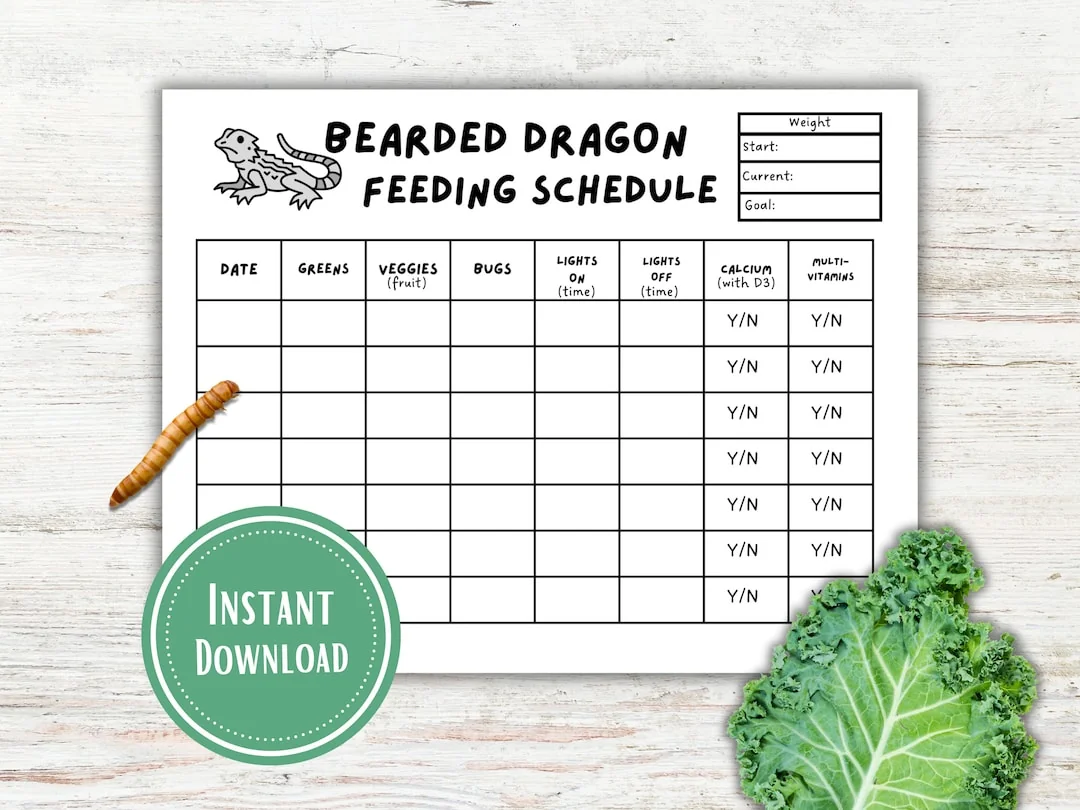
Establish a regular feeding schedule to provide consistency and predictability for your dragon. Consistency helps to regulate your dragon’s digestion and appetite. It also helps with weight management. Always maintain a consistent diet by providing the same foods. This is the same as following the schedule. Consistency is essential for the health and happiness of your dragon. Consistency and proper nutrition are the cornerstones of successful bearded dragon ownership. By following a consistent feeding routine, you support your dragon’s health and well-being, which enables it to live a longer, happier life.
Establishing a Regular Feeding Schedule
Feed young dragons multiple times a day at consistent times. Feed adult dragons once a day. The schedule promotes healthy eating habits. Stick to the schedule as much as possible. Stick to the schedule for a consistent approach to nutrition. This consistency helps regulate their metabolism and digestive processes. Regularly feeding also provides your bearded dragon with a sense of security, and helps their well-being.
Maintaining a Consistent Diet
Provide the same types of food and supplements consistently. Avoid making sudden, dramatic changes to their diet. The consistent diet helps prevent digestive problems. This contributes to the long-term health and well-being of your dragon. Consistency creates a positive relationship with food. By following these tips, you can help your bearded dragon thrive.
Conclusion
Providing a well-planned feeding guide is essential for your bearded dragon’s health and happiness. By understanding their nutritional needs, following these feeding tips, and staying consistent with your routine, you can ensure your dragon lives a long, healthy, and vibrant life. Remember to always consult with a veterinarian or herpetological expert for personalized advice tailored to your dragon’s specific needs. Proper nutrition makes a world of difference. Caring for your bearded dragon will be both rewarding and fulfilling.