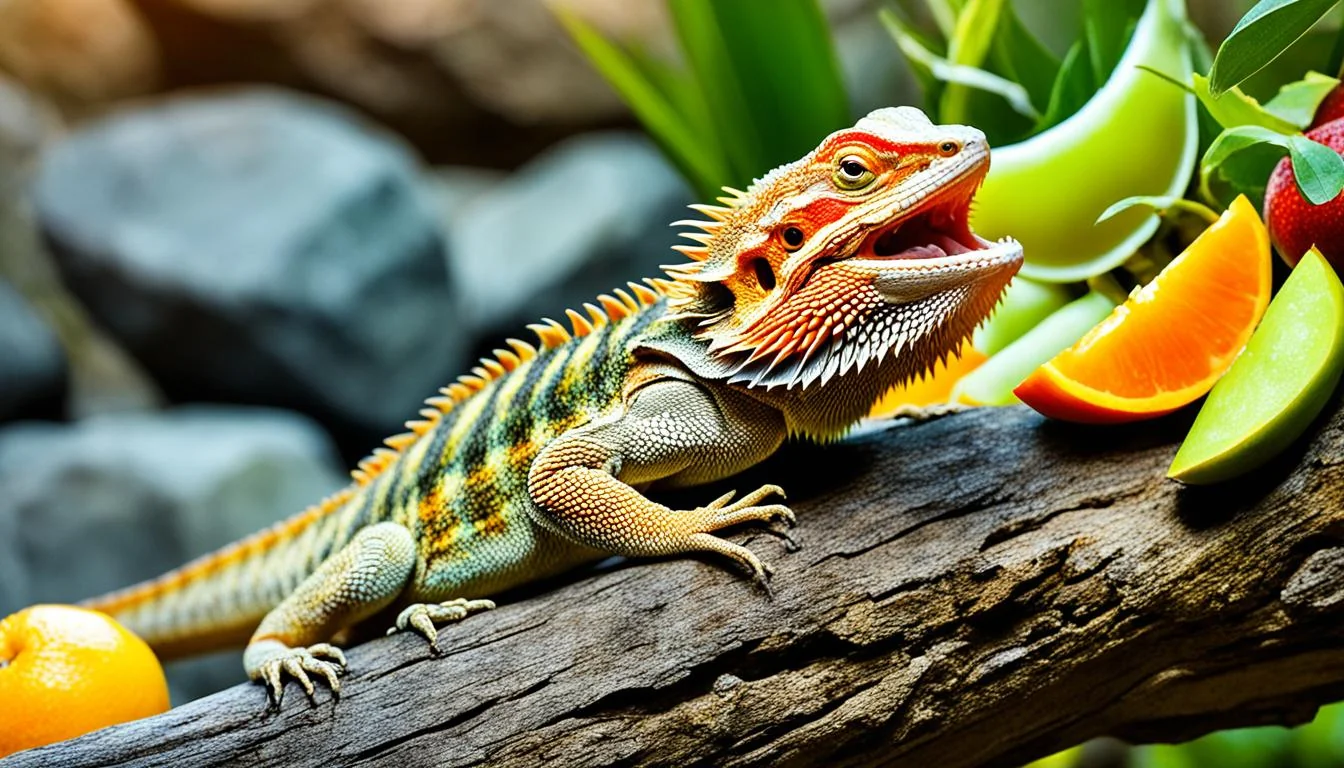
The Importance of a Balanced Diet for Bearded Dragons
A well-balanced diet is fundamental to the health and vitality of your bearded dragon. Just like humans, these reptiles thrive on a diverse range of nutrients. A diet that provides the necessary vitamins, minerals, and energy will help your bearded dragon thrive, grow, and maintain a high energy level. Neglecting this crucial aspect can lead to several health issues, including lethargy, metabolic bone disease, and a weakened immune system. Therefore, understanding and implementing the right feeding practices is vital for ensuring your scaly friend lives a long, healthy, and energetic life.
Understanding the Nutritional Needs of Bearded Dragons
Bearded dragons require a specific balance of nutrients to function optimally. Their dietary needs change as they grow, with younger dragons requiring more protein to support their rapid growth. Adults, on the other hand, need a diet focused on maintaining their health and energy levels. Protein, vegetables, and fruits are the core components of their diet. However, the ratio of these elements and the inclusion of supplements are key factors in overall health. Understanding these nutritional needs is the first step to creating a feeding plan that keeps your dragon energized and vibrant.
Protein Requirements for Bearded Dragons
Protein is the building block for tissues, muscles, and other vital functions in a bearded dragon’s body. Growing dragons require a higher percentage of protein in their diet to fuel their rapid development. Younger dragons (under 1 year old) typically need a diet that is around 60-80% protein, coming from insects and other sources. This high protein intake supports their growth spurts and energy levels. As they mature, the protein needs decrease to roughly 20-30% of their diet. The protein source must be high-quality and easily digestible to avoid digestive issues. This ensures the dragon can effectively use the nutrients for energy and growth.
Sources of Protein for Bearded Dragons
Live insects form the cornerstone of protein intake for bearded dragons, providing essential amino acids and promoting natural foraging behavior. Crickets, dubia roaches, and mealworms are some of the most popular and readily available choices. When selecting insects, always ensure they are gut-loaded. Gut-loading involves feeding the insects nutritious foods, such as vegetables and high-quality grains, a day or two before feeding them to your dragon. This enriches the insects with vitamins and minerals, passing them onto your pet. Consider diversity in your insect choices to ensure your dragon receives a wide range of nutrients. Avoid wild-caught insects due to the risk of parasites and pesticides.
Vegetable and Fruit Intake for Bearded Dragons


Vegetables and fruits contribute essential vitamins, minerals, and fiber to the bearded dragon’s diet. These foods are also important for hydration and regulating digestion. It’s important to find a balance between these two food groups, as some fruits have high sugar content and should be offered sparingly. Regularly offering a variety of vegetables and fruits is crucial to maintaining a healthy, energetic dragon. This dietary variety helps prevent nutritional deficiencies and ensures a robust immune system.
Best Vegetables to Feed Your Bearded Dragon
Leafy greens should form the base of your bearded dragon’s vegetable intake. Collard greens, mustard greens, and turnip greens are all excellent choices. These greens provide high levels of vitamins and minerals without excessive oxalates, which can bind calcium. Other beneficial vegetables include bell peppers (especially red and yellow), squash, and carrots. Chop the vegetables into small, manageable pieces to prevent choking and ensure easy digestion. Avoid iceberg lettuce, as it offers little nutritional value. Varying the vegetables ensures a wider range of nutrients and keeps your dragon interested in its food.
Best Fruits to Feed Your Bearded Dragon
Fruits can be a tasty treat for your bearded dragon, but they should be offered in moderation due to their sugar content. Berries, such as blueberries and raspberries, are packed with antioxidants and can be offered occasionally. Other suitable options include melon and apples, but ensure the seeds are removed. Fruits should make up a small portion of the overall diet. Offer fruits as a supplement to the main vegetable course. Excessive fruit consumption can lead to digestive issues and potentially cause energy crashes as the sugar level drops rapidly.
Calcium and Vitamin D3 Supplements
Calcium and vitamin D3 are vital supplements for maintaining strong bones and preventing metabolic bone disease (MBD). Bearded dragons in captivity often need supplementation because their indoor environments may not provide enough UVB light, which is necessary for the body to synthesize vitamin D3. This vitamin is essential for calcium absorption. Without adequate calcium and D3, dragons may develop weak bones, resulting in fractures, paralysis, and other severe health complications. Regular supplementation and appropriate UVB lighting are critical for the well-being of your pet.

Why Calcium and D3 Are Essential
Calcium is the primary component of bones and teeth, and also plays a vital role in muscle function, nerve transmission, and blood clotting. Vitamin D3 helps the body absorb calcium from the digestive system. Together, they ensure that the bearded dragon’s skeletal system remains healthy and functional. The deficiency in these elements can result in MBD, a life-threatening condition. Providing these supplements helps ensure your bearded dragon can maintain optimal energy levels and overall health.
Choosing the Right Supplements
There are various calcium and D3 supplements available, often in powder form. Choose a supplement specifically formulated for reptiles. The key is to select the product that contains both calcium and vitamin D3. Dust insects and vegetables with the supplement before feeding. For young and growing dragons, supplement more frequently. Adult dragons typically need less frequent supplementation, perhaps two to three times a week. Always follow the product’s instructions carefully to prevent over-supplementation. Over-supplementing can also lead to health issues.
Feeding Live Insects for Energy

Live insects offer a natural source of energy and vital nutrients for bearded dragons, stimulating their hunting instincts and promoting physical activity. The act of hunting and eating insects provides mental enrichment, which is essential for their well-being. These insects are high in protein, making them crucial for muscle development and overall energy. Choosing the right insects and providing them properly enhances their energy levels. Variety in the insect diet is also important, as each insect offers different nutritional benefits.

Best Insects for Bearded Dragons
Several insects are ideal for feeding bearded dragons, each with its own nutritional profile. Crickets are a popular choice, providing a good balance of protein and fiber. Dubia roaches are also a great option; they are easy to breed and have a high meat-to-shell ratio. Mealworms are a good occasional treat but should be offered in moderation due to their higher fat content. Black soldier fly larvae (BSFL) are another beneficial option, as they are high in calcium. Always ensure insects are gut-loaded before feeding to maximize the nutritional value. Avoid feeding insects that are too large, as this can cause choking hazards.

How to Properly Feed Insects
The feeding method for insects is a factor to ensuring your bearded dragon’s energy levels. Release the insects into the enclosure one at a time or in small batches to encourage hunting and prevent insects from hiding. You can also offer insects in a feeding dish, especially for larger insects like roaches, to ensure the dragon can eat them. Monitor your dragon while it eats to ensure it is consuming all the insects offered. Remove any uneaten insects after a few minutes to avoid them bothering your dragon. This feeding technique is critical in providing essential energy and nutrition.
Hydration and Water Intake
Proper hydration is critical to a bearded dragon’s health and energy levels. Water is necessary for digestion, nutrient transport, and maintaining body temperature. Dehydration can lead to lethargy, loss of appetite, and other severe health issues. Ensuring your bearded dragon has constant access to fresh, clean water is essential for their overall well-being. Monitoring water intake and preventing dehydration will directly impact the energy levels of your dragon.
Providing Fresh Water Daily
The best method is to provide a shallow water dish in their enclosure. The water should be changed daily to keep it fresh and free of bacteria. Use a dish that is easy to clean and difficult for the dragon to tip over. Ensure the water dish is accessible and at a safe depth to prevent accidental drowning. Observe your dragon’s drinking habits to ensure it is getting enough water. Consider providing water in multiple areas in the enclosure to increase convenience. This is an essential part of maintaining an energetic dragon.
Signs of Dehydration and How to Prevent It
Several signs can indicate your bearded dragon is dehydrated. These include sunken eyes, wrinkled skin, and lethargy. If you notice these symptoms, offer more water immediately. You can also try misting the dragon with water to help it absorb moisture through its skin. Adding water-rich vegetables and fruits to its diet also helps. Always ensure the water dish is clean and accessible. Make sure the enclosure’s temperature and humidity are at the correct levels. Correcting these issues will prevent dehydration and allow your bearded dragon to maintain its energy levels.
Feeding Schedule and Portion Control
A consistent feeding schedule and appropriate portion sizes are essential for maintaining your bearded dragon’s energy and digestive health. The feeding frequency and amount will vary based on the dragon’s age and activity level. Regular feeding helps establish a routine, allowing the dragon to regulate its metabolism and energy expenditure. Providing the right amount of food prevents both overeating and undernourishment, ensuring your pet stays energetic and healthy.
Feeding Young Bearded Dragons
Young bearded dragons, or hatchlings, require more frequent feedings. Feed them insects 2–3 times per day, offering as many insects as they can consume in about 10–15 minutes. Include fresh vegetables in their diet daily. Provide them with ample amounts of food to support their rapid growth. As they grow, you can gradually reduce the frequency of insect feedings. Always provide fresh water. Proper nutrition is key to the dragon’s growth, energy levels, and overall health.
Feeding Adult Bearded Dragons
Adult bearded dragons generally need fewer insect feedings. Feed them insects once a day or every other day, and focus on providing them with a larger portion of vegetables and fruits. Maintain a consistent feeding schedule and adjust portions based on their body condition. You can monitor your bearded dragon’s weight and overall appearance to determine if it is eating the correct amount. Providing the right balance of foods is vital to keeping them active and healthy.
Foods to Avoid for Optimal Energy
Some foods can be detrimental to a bearded dragon’s health and energy levels. Understanding which foods to avoid is just as important as knowing which foods to include in their diet. Certain foods can cause digestive issues, nutrient deficiencies, and even be toxic. Being informed about these foods will safeguard your bearded dragon’s health, allowing it to maintain its energy and vitality.
Foods That Can Be Harmful
Some foods are toxic or difficult for bearded dragons to digest. Avoid feeding them avocado, as it contains persin, which can be harmful. Also, steer clear of spinach and beet greens, as they contain oxalates that can bind calcium. Avoid citrus fruits and rhubarb, as these are too acidic. Processed foods and human food should also be avoided, because they often contain additives and ingredients that can be harmful to the reptiles. These foods provide little nutritional value and can cause health problems, leading to decreased energy levels.
Recognizing Signs of Dietary Issues
Observing your bearded dragon for signs of dietary issues is essential for maintaining its health and energy levels. Look out for changes in appetite, unusual stool, or lethargy. If your dragon stops eating or shows a lack of interest in food, it could indicate a problem. Changes in stool consistency, such as diarrhea or constipation, may also indicate a dietary imbalance. If you notice your dragon is less active than usual, it could be a sign of a lack of energy, potentially stemming from nutritional deficiencies. If you notice any of these signs, consult with a reptile veterinarian to assess the situation and adjust the diet accordingly.