Understanding Bearded Dragon Feeding
Bearded dragons, with their unique appearance and engaging personalities, have become popular pets. One of the most critical aspects of bearded dragon care is understanding their feeding habits. This guide will provide comprehensive information on how often to feed your bearded dragon, considering factors such as age, dietary needs, and potential pitfalls. Feeding your bearded dragon correctly is paramount to their health and longevity, ensuring they receive the proper nutrition to thrive. A well-fed bearded dragon will exhibit vibrant colors, energetic behavior, and a generally healthy appearance. Conversely, an improperly fed dragon may suffer from a range of health issues, including metabolic bone disease and obesity.
Why Feeding Frequency Matters for Bearded Dragons
The frequency with which you feed your bearded dragon is directly linked to its overall well-being. The feeding schedule provides essential nutrients and energy. An appropriate feeding schedule supports their growth, development, and overall health. Incorrect feeding can lead to a variety of health problems. Underfeeding can result in stunted growth, a weakened immune system, and malnourishment. Overfeeding, on the other hand, can lead to obesity, which puts stress on their organs and reduces their lifespan. A consistent and age-appropriate feeding schedule ensures your bearded dragon receives the right amount of food at the right times, supporting their health and vitality.
Factors Influencing Feeding Frequency
Several factors determine the ideal feeding frequency for your bearded dragon. The age of your dragon is the most important consideration, as younger dragons require more frequent feedings to support their rapid growth. Dietary needs change throughout a dragon’s life. The type of food you offer and its nutritional content also plays a vital role, as a balanced diet is essential for optimal health. You should adjust feeding frequency to accommodate your dragon’s specific needs. Consider the activity level of your dragon, as more active dragons might require slightly more food. Monitoring your dragon’s weight and overall condition is crucial to making any necessary adjustments to its feeding schedule. The environment can also have an effect; higher temperatures may increase their metabolism and appetite.
Age of Your Bearded Dragon
A bearded dragon’s age is the single most significant factor in determining how often you should feed it. The following sections provide detailed guidelines for adjusting the feeding frequency based on the dragon’s life stage, ensuring their nutritional needs are met at every stage of their development. You should adjust the amount you feed them based on their behavior and health. You should consult a vet or professional for any concerns about your pet.
Hatchlings (0-3 Months)
Hatchlings, the youngest bearded dragons, are in a critical phase of rapid growth and development. At this stage, they need to eat frequently. They should be fed small amounts of food multiple times a day, typically 2-3 times. The diet of a hatchling should primarily consist of live insects. The insects should be small enough for them to consume easily and gut-loaded with nutritious food. It is essential to offer a variety of insects to ensure a balanced diet. They also need fresh water to drink. Supplementing their diet with calcium and vitamin D3 is crucial at this stage. Observe your hatchling for signs of healthy growth, such as weight gain and increased activity.
Young Bearded Dragons (3-6 Months)
As bearded dragons grow into young adults, their feeding frequency can be adjusted. At this stage, they still require a diet rich in protein, but the frequency of feeding can be reduced to once or twice a day. Increase the portion size to accommodate their growing bodies. Continue to provide a variety of live insects, but you can start incorporating more vegetables and greens into their diet. The proportion of insects to vegetables will begin to shift towards more vegetables as they mature. Ensure that the vegetables are chopped into small, manageable pieces. Keep a close watch on their weight and adjust the food as needed.
Sub-Adults (6-12 Months)
As bearded dragons approach adulthood, their dietary needs change, and the feeding schedule should be modified. You should feed sub-adults once a day. The ratio of insects to vegetables should be roughly equal at this point. The focus should be on providing a balanced diet with a wider variety of greens, vegetables, and a smaller proportion of insects. During this period, their growth rate slows down. Monitor your dragon’s body condition to ensure they are maintaining a healthy weight. Offer a variety of fresh, nutritious foods, and ensure they have access to fresh water daily. Continue to provide a basking area with appropriate temperature to aid digestion.

Adult Bearded Dragons (12+ Months)
Adult bearded dragons typically need to be fed once every other day, or even less frequently. Their diet should primarily consist of vegetables and greens, with insects offered as a supplement. The focus should be on maintaining a healthy weight. Avoid overfeeding, as obesity is a common problem in adult bearded dragons. You can offer a varied diet, including leafy greens, vegetables, and occasional fruits as treats. Monitor your dragon’s weight and adjust the portion sizes accordingly. Provide fresh water daily and ensure they have access to a basking area. The feeding frequency of an adult should keep a healthy weight and body condition.
Dietary Needs
The nutritional content of the food you offer plays a crucial role in the health of your bearded dragon. A balanced diet is vital at all ages. The diet of a bearded dragon should consist of the correct balance of protein, vitamins, and minerals. It’s important to provide the right nutrients. Live insects provide essential protein and other nutrients. Vegetables, greens, and fruits offer vitamins, minerals, and fiber. You should supplement their diet with calcium and vitamin D3. Ensure that the food is fresh and of high quality. The portion sizes should be appropriate for the dragon’s age and weight. The diet will change based on the age and development of the animal.


Types of Food to Feed
Understanding the different food types is essential for creating a balanced diet for your bearded dragon. Each food group offers different nutrients. It is essential to know what to feed and the benefits of each to maintain a balanced diet. Your dragon’s diet should vary depending on its age and stage of development. Offer a variety of foods to ensure it receives a wide range of nutrients. Here are some of the main types of food you should incorporate into their diet:

Live Insects
Live insects are the primary source of protein for bearded dragons. The best insects for bearded dragons include crickets, mealworms, dubia roaches, and black soldier fly larvae. The selection of insects should be based on nutritional value and ease of digestion. It is recommended to gut-load the insects with nutritious food before feeding them to your dragon. This ensures the insects are packed with vitamins and minerals. Avoid feeding wild-caught insects, as they may carry parasites or be exposed to pesticides. Consider the size of the insects, ensuring they are appropriate for the size of your dragon. Insects should be approximately the width of the space between the dragon’s eyes.
Vegetables and Greens
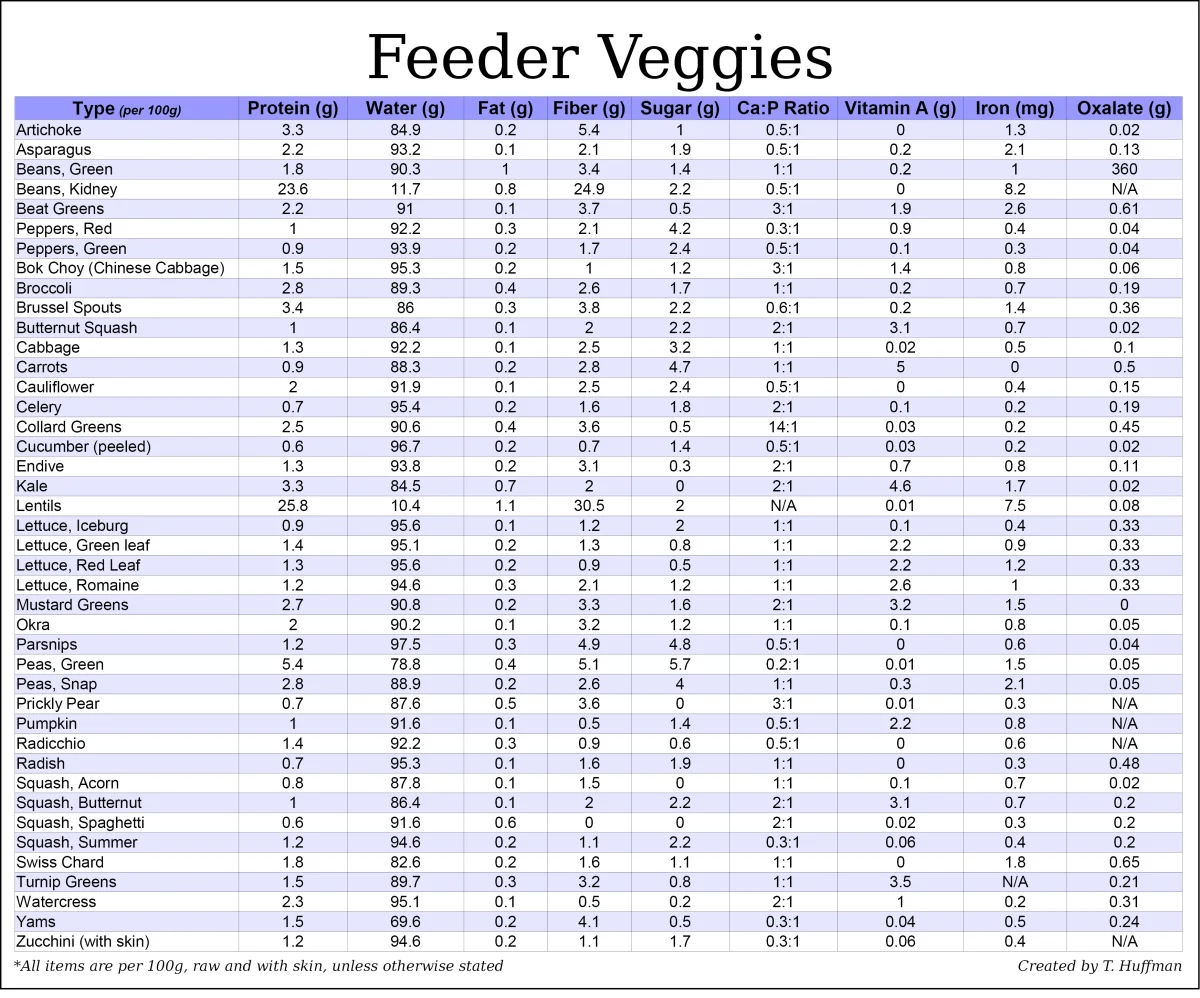
Vegetables and greens provide essential vitamins, minerals, and fiber. Dark, leafy greens such as collard greens, mustard greens, and dandelion greens should form the base of your dragon’s vegetable offerings. Other beneficial vegetables include squash, bell peppers, and carrots. It is essential to offer a variety of vegetables to ensure a balanced intake of nutrients. Avoid vegetables high in oxalates, such as spinach, which can bind calcium. Wash all vegetables thoroughly before feeding them to your dragon. Chop vegetables into small, manageable pieces, especially for younger dragons.
Fruit
Fruits should be offered sparingly as treats due to their high sugar content. The occasional treat is fine, but it shouldn’t form a regular part of their diet. Safe fruits for bearded dragons include berries, melon, and apples. Ensure that any fruit offered is seedless or has the seeds removed. Overfeeding fruit can lead to digestive issues and weight gain. Offer fruits in small quantities and only a few times a week. Variety is key, so offer a different type of fruit.
Portion Size and Feeding Guide
Knowing the appropriate portion sizes for each age group is critical for avoiding overfeeding or underfeeding. The correct portion sizes ensure your bearded dragon receives the right amount of nutrients. The ideal portion size will vary depending on the type of food and the dragon’s age. Monitor your dragon’s body condition and adjust accordingly. The following sections provide guidelines for each life stage, offering recommendations on the types of food and the amounts to feed. It is essential to keep a close watch on your bearded dragon’s body condition and adjust the portion sizes as needed.
Feeding Hatchlings
Hatchlings need frequent feedings, typically 2-3 times a day. Offer live insects several times a day, allowing them to eat as much as they can consume in about 10-15 minutes. The insects should be small and easily swallowed. Supplement their diet with a variety of vegetables. Offer small portions of chopped greens, mixed with the insects. Ensure that the portion size of insects does not overwhelm the hatchling. The goal is to promote healthy growth and development. Provide fresh water in a shallow dish.
Feeding Young Dragons
Young dragons, between 3-6 months, can be fed once or twice a day. Continue to offer a mix of live insects and vegetables. The proportion of insects should be slightly less than the amount of vegetables. Allow the dragon to eat a set amount of insects at each feeding. Increase the portion of vegetables, offering a variety of chopped greens, vegetables, and occasional fruits. Monitor the dragon’s body condition and adjust the portion sizes as needed. Ensure the dragon has access to fresh water. Feeding Young Dragons will help to ensure they reach their full potential.
Feeding Sub-Adults
Sub-adults can be fed once a day. The ratio of vegetables to insects should be roughly equal. The diet should include a variety of greens, vegetables, and a smaller portion of insects. Offer enough food to satisfy their hunger but not so much that they overeat. Continue to offer a variety of fresh vegetables and greens. Monitor their weight and body condition, adjusting the amount of food as needed. Make sure they have a water source available. Adjust portion sizes according to the dragon’s activity and overall health.
Feeding Adults
Adult bearded dragons typically need to be fed once every other day or even less frequently. Their diet should primarily consist of vegetables and greens, with insects offered as a supplement. The main focus should be on maintaining a healthy weight. Offer a variety of leafy greens and vegetables, with occasional fruits as treats. The portion size of insects should be significantly reduced compared to the amount of vegetables. Offer a balanced diet to avoid overfeeding, which can lead to obesity. Ensure that they have fresh water available. Regularly monitor their body condition. Adjust feeding as needed, providing the appropriate amount of food for the activity level and general health.
Tips for a Healthy Bearded Dragon
Providing a healthy environment and consistent care is essential for the well-being of your bearded dragon. This includes proper temperature, lighting, and hygiene. A well-maintained enclosure, balanced diet, and appropriate feeding schedule will create an environment where the dragon can thrive. Observe their behavior, monitor their weight, and watch for signs of any potential health issues. Consult a veterinarian regularly for check-ups and to address any concerns. Your attention to these details will help ensure your bearded dragon lives a long, healthy, and happy life. Maintaining a clean habitat and providing fresh water daily is essential for their health.
Monitoring Your Dragon’s Weight
Regularly monitoring your bearded dragon’s weight is a vital part of ensuring they are receiving the appropriate amount of food. This helps determine whether the feeding schedule and portion sizes are correct. Weigh your dragon weekly, or more often if you suspect any issues. Keep a record of the weights to track any changes over time. Healthy bearded dragons should gain weight steadily as they grow. Compare your dragon’s weight to the typical weight range for their age. If the dragon is underweight, increase the portion sizes and feeding frequency. If the dragon is overweight, reduce the amount of food and increase exercise. Consult with a vet if you are concerned. The weight of the dragon is an important metric.
Signs of Overfeeding
Overfeeding can lead to obesity and other health issues, so it is important to recognize the signs. A common indicator of overfeeding is excessive fat deposits. Other signs include a bloated appearance, lethargy, and a lack of interest in moving. A dragon that is overfed will often have difficulty moving around. If you notice any of these signs, reduce the portion sizes and the frequency of feeding immediately. Monitor your dragon’s weight regularly and consult with a vet if you are concerned. A well-fed but not overfed dragon is more likely to live longer. Obesity can lead to a shorter lifespan.
Signs of Underfeeding
Underfeeding can stunt growth and weaken your bearded dragon’s immune system. Recognizing the signs is crucial to providing your bearded dragon with the proper nutrition. Signs of underfeeding include a lack of weight gain or weight loss, a sunken appearance, and a lack of energy. The tail may appear thin, and the dragon may show a general lack of vitality. If you suspect underfeeding, increase the portion sizes and feeding frequency. Make sure you offer a balanced diet. Consult with a vet if you notice any concerning signs. Underfeeding can have serious consequences.
Common Feeding Mistakes
Avoiding common feeding mistakes will contribute greatly to the health and well-being of your bearded dragon. Many mistakes can impact your pet’s well-being. By understanding these mistakes, you can ensure your dragon gets the proper nutrition. Recognizing and avoiding these errors will help to keep your pet healthy. Paying attention to detail and staying informed will allow your pet to thrive.

Feeding Too Many Insects
While insects are essential for a bearded dragon’s diet, feeding too many can be detrimental. Hatchlings and young dragons need more insects, but as they mature, the ratio should shift towards vegetables. Overfeeding insects can lead to an imbalance of nutrients. The high protein content of insects can overload their kidneys and cause other health problems. Monitor the amount of insects you are feeding and adjust the portion sizes as your dragon ages. Always include a variety of vegetables and greens in their diet. Overfeeding insects is a common mistake. You must regulate the number of insects your pet eats.
Not Offering a Variety of Foods
A diverse diet is crucial for ensuring your bearded dragon receives all the necessary nutrients. Feeding a single type of food, whether it be insects or vegetables, can lead to nutritional deficiencies. Ensure that you offer a variety of live insects, vegetables, and occasional fruits. Each food type provides different vitamins and minerals. Regularly rotate the food options to keep the diet interesting. Provide fresh food daily. A diverse diet is better for the dragon’s health.
Providing Water
Water is essential for a bearded dragon’s health. Always provide fresh water in a shallow dish in their enclosure. Change the water daily to keep it clean. Many bearded dragons drink from the water dish, but you can also mist their enclosure to provide hydration. Monitor your dragon’s hydration level. A dehydrated dragon will show signs such as sunken eyes and wrinkled skin. Offering fresh water regularly can help keep your dragon happy and healthy.