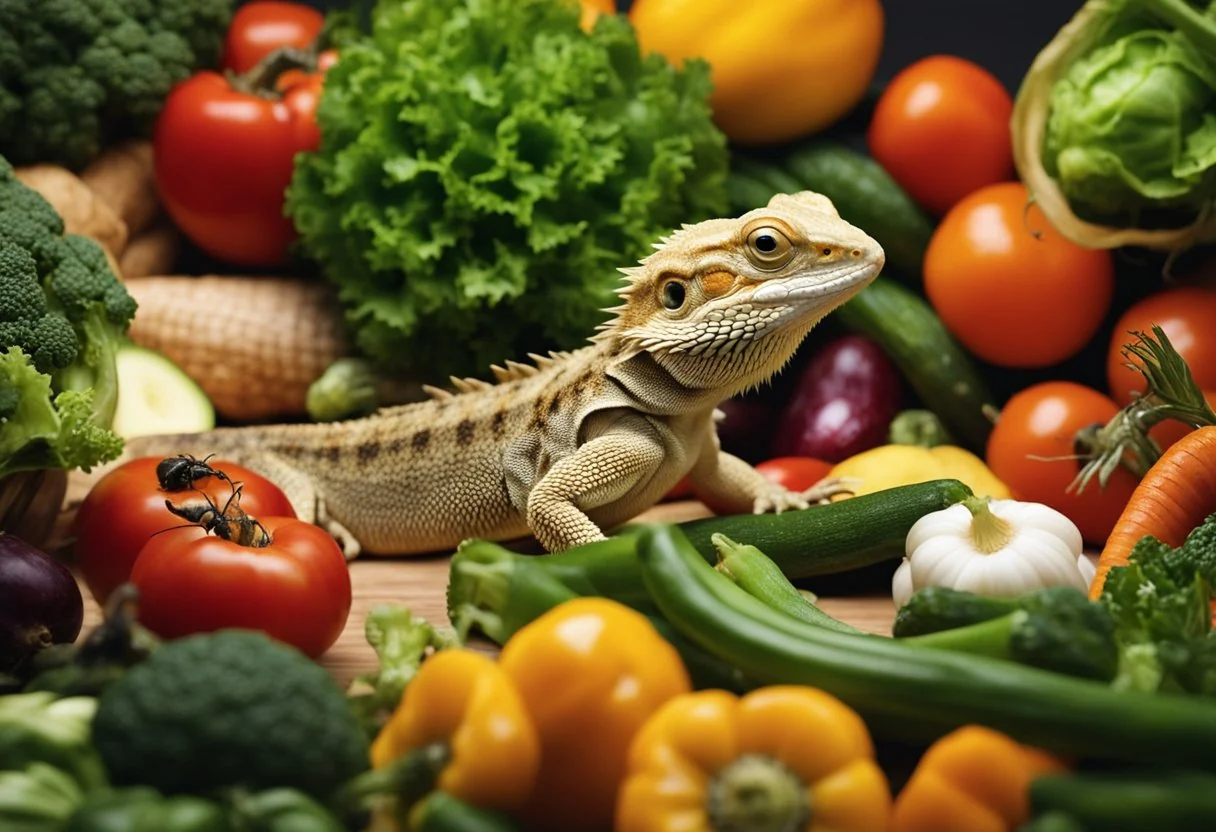
Providing your bearded dragon with a balanced diet is crucial for their overall health, vitality, and energy levels. This comprehensive guide, ‘Bearded Dragon Feeding 101 Balanced Energy,’ will equip you with the knowledge you need to ensure your scaly companion thrives. From understanding their nutritional requirements to creating an optimal feeding schedule, we’ll cover everything you need to know to help your bearded dragon live a long, energetic, and happy life. Get ready to unlock the secrets to a healthy, vibrant bearded dragon!
Understanding Bearded Dragon Nutritional Needs
Bearded dragons are omnivores, meaning they require a varied diet of both animal protein (insects) and plant matter (vegetables and fruits). Their nutritional needs change as they grow, with younger dragons needing more protein to support rapid growth, while adults require a greater balance of plant matter to maintain their health. Understanding these needs is the first step toward providing a diet that promotes optimal energy and well-being. Without proper nutrition, bearded dragons can become lethargic, experience stunted growth, and suffer from various health issues.
Importance of a Balanced Diet for Energy
A balanced diet is the cornerstone of a high-energy bearded dragon. The right combination of proteins, fats, carbohydrates, vitamins, and minerals fuels their activity, supports their immune system, and ensures their organs function correctly. The right balance of nutrients ensures that your dragon has the stamina for daily activities, proper digestion, and efficient metabolism. An imbalanced diet, on the other hand, can lead to sluggishness, weakness, and a host of health problems that sap their energy.
Consequences of Nutritional Deficiencies
Nutritional deficiencies can have serious consequences for your bearded dragon’s energy levels and overall health. Deficiencies in calcium and vitamin D3 can lead to metabolic bone disease (MBD), causing weakness, lethargy, and bone deformities. Insufficient protein can hinder growth and muscle development, leading to reduced activity. Lack of essential vitamins and minerals can weaken the immune system, making your dragon susceptible to illnesses. Furthermore, inadequate energy intake directly translates to low activity and a general lack of vitality.
Feeding Frequency and Portion Sizes
The frequency and amount you feed your bearded dragon will vary depending on their age. It’s essential to adjust the feeding schedule as they grow to meet their changing nutritional needs. Overfeeding can lead to obesity, while underfeeding can stunt growth and reduce energy. Regular observation and adjustment are key to maintaining a healthy weight and energy level. Carefully monitoring your dragon’s eating habits and body condition is essential to finding the right balance.
Feeding Schedule for Young Bearded Dragons

Young bearded dragons (hatchlings to about 6 months old) require frequent feeding to support their rapid growth. They should be fed small portions of insects two to three times per day, ensuring they consume enough protein for development. Alongside insects, offer fresh greens and finely chopped vegetables daily. Portion sizes should be appropriate for the dragon’s age and size, avoiding overfeeding. Consistent access to food during these crucial months is vital for building a strong foundation for health and energy.
Feeding Schedule for Adult Bearded Dragons

Adult bearded dragons (over 18 months old) require a different feeding strategy. They should primarily eat vegetables and greens, with insects offered a few times a week. This adjustment supports healthy weight maintenance and reduces the risk of obesity. Portion sizes should be carefully monitored to prevent overfeeding. Providing food every other day, with a balance of insects and greens, is generally recommended. Adult dragons need less protein and more fiber-rich foods to thrive, so adjust the schedule accordingly.
Best Food Choices for Bearded Dragons
The quality and variety of food you offer your bearded dragon play a crucial role in their energy levels and overall health. Choosing the right insects, vegetables, and fruits ensures they receive the necessary nutrients. Prioritize fresh, high-quality foods, and supplement with calcium and vitamin D3 to prevent deficiencies. Understanding the nutritional value of each food type is key to crafting a balanced and energy-boosting diet.

Variety of Insects and Their Benefits
Offering a variety of insects provides essential protein, vitamins, and minerals. Good choices include crickets, dubia roaches, mealworms, and black soldier fly larvae. Each insect has a different nutritional profile, so mixing them helps provide a more balanced intake. Dusting insects with calcium and vitamin D3 supplements before feeding is highly recommended. Always ensure the insects are gut-loaded before feeding them to your dragon, which means feeding them nutritious food for 24 hours before they are eaten, maximizing nutritional value. Image: bearded-dragon-insect-food.webp
Recommended Vegetables and Fruits

A wide range of vegetables and fruits are essential components of a healthy bearded dragon diet. Dark leafy greens like collard greens, mustard greens, and kale should form the base of their vegetable intake. Offer a variety of other vegetables, such as squash, carrots, and bell peppers. Fruits should be given sparingly due to their higher sugar content, but options like berries and melon can provide additional nutrients. Ensure all vegetables and fruits are washed thoroughly, and chop them into bite-sized pieces for easy consumption. Image: bearded-dragon-vegetables.webp
Calcium and Vitamin D Supplementation
Calcium and vitamin D3 are crucial for bone health and overall energy. Dust insects and occasionally vegetables with a calcium supplement, especially for young, growing dragons. Vitamin D3 aids in calcium absorption, so it’s essential to provide both. Ensure your dragon has access to UVB lighting, which helps them synthesize vitamin D3 naturally. Regular supplementation helps prevent metabolic bone disease and ensures a healthy, active dragon. Proper supplementation is vital for optimal energy levels and bone health.


Hydration and Water Sources
Adequate hydration is vital for all bodily functions, including energy production. Ensuring your bearded dragon has access to fresh, clean water is essential for their health and vitality. Providing a suitable water bowl and understanding their watering needs are key to keeping them hydrated and energetic.
Proper Water Bowl Placement
Place a shallow water bowl in a safe, accessible location within the enclosure. The bowl should be stable and easy for the dragon to access without tipping over. Ensure the water is fresh and clean daily. Avoid placing the water bowl directly under the basking spot, as this can cause the water to evaporate quickly. Proper placement ensures your dragon has a reliable source of clean water. Regularly clean the water bowl to prevent bacterial growth. Image: bearded-dragon-water-bowl.webp

Watering Techniques for Bearded Dragons
While bearded dragons primarily get water from their food and water bowl, some may benefit from misting or gentle spraying with water, particularly during shedding. Ensure the water is at room temperature and avoid spraying directly on the dragon’s face. Monitoring their hydration levels is important; look for signs of dehydration, such as sunken eyes or wrinkled skin. Regular misting, especially during shedding, can help keep them hydrated and energetic.
Feeding Environment and Hygiene
The feeding environment plays a significant role in your bearded dragon’s eating habits and overall health. Maintaining a clean and safe environment minimizes the risk of contamination and disease. Proper hygiene practices are crucial for a healthy, energetic dragon.
Cleaning Feeding Bowls and Enclosure
Regularly clean feeding bowls and the entire enclosure to prevent the buildup of bacteria and parasites. Wash food and water bowls daily with hot, soapy water. Clean the enclosure regularly, removing any uneaten food and droppings. Use reptile-safe disinfectants to clean surfaces. A clean environment ensures your dragon’s health and allows them to focus on enjoying their food. Thorough cleaning is essential for preventing illness and ensuring energy.
Observing Bearded Dragon’s Eating Habits
Pay close attention to your bearded dragon’s eating habits. Observe how much they eat, how quickly they eat, and any signs of disinterest or difficulty. Changes in appetite can indicate underlying health issues. Monitor their weight and body condition to ensure they are receiving adequate nutrition. Adjust feeding accordingly, based on your observations. Healthy eating habits are directly linked to the energy and vitality of your pet. Image: bearded-dragon-eating.webp
Addressing Common Feeding Challenges
Even with the best intentions, you might encounter feeding challenges with your bearded dragon. Picky eating and obesity are common problems. Understanding these challenges and implementing appropriate solutions is key to maintaining their health and energy levels.
Dealing with Picky Eaters
Some bearded dragons can be picky eaters. If your dragon refuses certain foods, try offering a variety of options, experimenting with different textures and colors. Sometimes, simply changing the feeding environment or offering food at a different time can help. Ensure the dragon has access to live insects to stimulate appetite. Persistence and patience are important when dealing with picky eaters. Consult with a vet if the problem persists; this ensures your dragon is getting the necessary nutrients.
Managing Overweight Bearded Dragons
Obesity can significantly impact your bearded dragon’s energy levels and overall health. Reduce the amount of food offered, especially insects. Increase the proportion of vegetables in their diet. Encourage exercise by providing a larger enclosure or providing opportunities to move around. Regular exercise can help burn off extra calories and maintain a healthy weight. Consult with a veterinarian for guidance on safe and effective weight management strategies. Image: bearded-dragon-healthy.webp
The Link Between Energy and Feeding
The food your bearded dragon consumes directly impacts their energy levels. A balanced diet provides the necessary fuel for their daily activities. Understanding how food converts to energy and the signs of a healthy, energetic dragon helps you ensure they thrive.
How Food Converts to Energy
Once ingested, food is broken down into nutrients that are absorbed by the body. These nutrients, particularly carbohydrates, fats, and proteins, are used to create energy. This energy fuels all bodily functions, including movement, digestion, and immune response. A diet rich in essential nutrients provides the necessary building blocks for energy production. A lack of these nutrients can lead to lethargy and overall weakness. Image: bearded-dragon-energy.webp
Signs of a Healthy and Energetic Dragon
A healthy, energetic bearded dragon exhibits several key characteristics. They should be alert, active, and responsive to their surroundings. Their movements should be smooth and coordinated. They should have a good appetite, eat regularly, and maintain a healthy weight. Their skin should be vibrant, without any signs of illness or lethargy. A healthy dragon is a happy dragon, full of energy and ready to explore their world.
In conclusion, feeding your bearded dragon with a balanced and carefully planned diet is the most important step to maintaining their high energy levels, health, and overall happiness. By implementing the techniques and guidelines discussed in this comprehensive guide, you are well-equipped to provide the best possible care for your scaly companion. A well-fed dragon is a happy and energetic dragon. Keep learning, adapting, and enjoying the journey of reptile ownership.