Why Bearded Dragons Escape
Bearded dragons, despite their generally docile nature, are escape artists at heart. Understanding the reasons behind their escape attempts is the first step in preventing them. These reptiles are naturally curious creatures, driven by an instinct to explore and seek out new environments. In the wild, this behavior helps them find food, mates, and suitable basking spots. In captivity, this translates into a desire to investigate their surroundings beyond the confines of their enclosure. This curiosity, combined with a surprising level of intelligence, means that a bored or stressed bearded dragon will actively seek ways to break free. Furthermore, improper enclosure conditions, such as inadequate heating, lighting, or a lack of enrichment, can contribute to escape attempts. A stressed or uncomfortable dragon is more likely to try and leave its enclosure. Therefore, providing a stimulating, comfortable, and secure environment is crucial for preventing escapes and ensuring your dragon’s well-being.
Common Escape Routes
Identifying the common escape routes in a bearded dragon’s enclosure is critical for effective security. These clever reptiles are surprisingly adept at exploiting weaknesses in their enclosures. The most frequent escape routes include gaps and openings, often overlooked by owners. These can be found around doors, lids, or even small cracks in the enclosure’s structure. Loose or unsecured lids are another major concern. Many enclosures come with lids that are not adequately secured, making them easy for a determined dragon to push open. Poorly designed enclosures, with features like ill-fitting doors or inadequate ventilation openings, also pose a significant risk. In addition, the placement of objects within the enclosure can inadvertently facilitate escapes. Branches or decorations placed close to the top can serve as climbing aids, allowing dragons to reach and potentially push open the lid. Regular inspection and strategic modifications can eliminate these vulnerabilities and prevent escapes.
Gaps and Openings
Gaps and openings, no matter how small, can be potential escape routes for your bearded dragon. These reptiles are surprisingly adept at squeezing through tight spaces. Regularly inspect the enclosure for any gaps, especially around the doors, corners, and ventilation openings. These gaps might seem insignificant, but a determined dragon can exploit even the smallest space. Seal any gaps with a reptile-safe sealant or caulk to prevent escapes. Pay close attention to the seams of the enclosure, as these are common areas where gaps can develop over time. Additionally, check the areas where accessories like thermometers or hygrometers are installed, as these can sometimes create small openings. By meticulously checking and sealing all potential gaps, you can create a more secure environment and minimize the risk of your bearded dragon escaping.
Loose or Unsecured Lids
Loose or unsecured lids are one of the most common reasons for bearded dragon escapes. Many enclosure lids, especially those that slide or are hinged, may not provide a completely secure closure. A determined dragon can often push or pry these lids open, especially if they are not properly latched or weighted down. Always ensure the lid is securely fastened. Consider using lid clips or latches specifically designed for reptile enclosures. If the lid is heavy, the weight itself may provide sufficient security, but it’s still essential to regularly check for any movement or gaps. For screen lids, ensure they are properly secured with clips or a locking mechanism. Over time, these mechanisms can wear down or become loose. Regular maintenance and periodic checks are crucial to maintaining a secure enclosure and preventing escapes. This simple step significantly reduces the risk of your bearded dragon finding its way out.


Poorly Designed Enclosures

Poorly designed enclosures can inadvertently contribute to escape attempts. Certain design flaws can create vulnerabilities that a clever bearded dragon can exploit. Ill-fitting doors that don’t close flush, or doors that don’t have secure latches, are a major concern. Similarly, enclosures with inadequate ventilation openings may be prone to warping or movement, leading to gaps. Furthermore, the material of the enclosure can impact security. Enclosures made of flimsy materials may be easier for a dragon to manipulate or damage. When selecting an enclosure, prioritize those with robust construction, secure doors, and well-designed ventilation. Always inspect the enclosure thoroughly before introducing your dragon, paying attention to the closure mechanisms, the quality of materials, and the overall design. Investing in a well-designed enclosure is an important step toward providing a safe and secure home for your pet.

Top Tips for Escape-Proofing Your Enclosure

Successfully escape-proofing your bearded dragon’s enclosure requires a proactive and multi-faceted approach. By implementing these tips, you can significantly reduce the risk of escape and ensure your dragon’s safety. Remember that regular inspections, a secure environment, and constant monitoring are vital to keeping your pet safe. This includes everything from selecting the right enclosure to making routine checks for any potential weaknesses in the setup. Consistency is important in maintaining the security of the enclosure.
Choosing the Right Enclosure
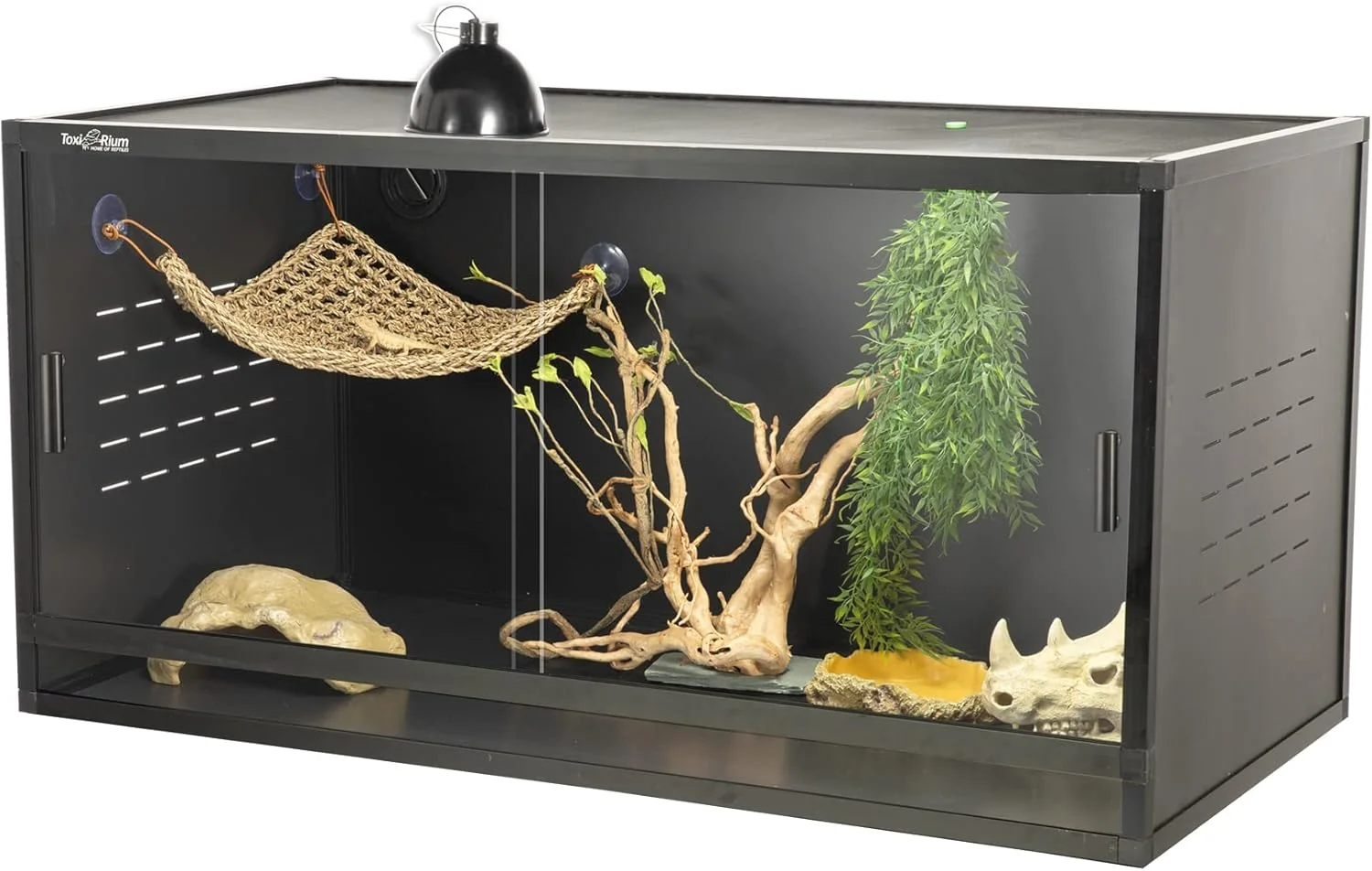
Choosing the right enclosure is the foundation of effective escape prevention. The ideal enclosure should be made of sturdy, non-toxic materials. Glass or PVC enclosures with secure doors and lids are excellent choices. When selecting an enclosure, consider the size and security features. The size should be appropriate for your bearded dragon’s age and size. The enclosure must have secure doors and lids. Avoid enclosures with flimsy construction or poorly designed closures. A well-designed enclosure should also offer adequate ventilation, while still maintaining a secure environment. Look for enclosures with mesh tops that have secure clips or latches to prevent escape. Furthermore, it is a good idea to research the specific enclosure models you’re considering, read reviews from other owners, and assess the security features before making a purchase. This will ensure that your bearded dragon has a safe and escape-proof home.
Secure Lids and Doors
Securing lids and doors is crucial for preventing escapes. Regardless of the type of enclosure, ensure the lid and doors are tightly closed. For sliding doors, consider adding a latch or lock to prevent your dragon from pushing them open. For hinged doors, check that the hinges are in good condition and that the door closes flush against the frame. If you have a screen lid, make sure it fits properly and is secured with clips or a locking mechanism. Replace any damaged clips or latches immediately. Periodically test the lid and doors by gently trying to open them, ensuring they are securely fastened. Sometimes, the lid or doors can warp over time or become loose. Always make sure that nothing inside the enclosure can be used to prop open the lid or doors. Regular inspection and maintenance will help keep your enclosure secure.

Inspect Regularly for Gaps
Regularly inspecting your bearded dragon’s enclosure for any gaps or potential escape routes is a crucial habit. This should be done at least once a week, or more frequently if you suspect any issues. Carefully examine all sides of the enclosure, paying close attention to the corners, seams, and areas around doors and lids. Use a flashlight to help you spot any small openings that might be difficult to see otherwise. Gaps can develop over time due to wear and tear, so it’s important to be thorough. If you find any gaps, seal them immediately with a reptile-safe sealant or caulk. Ensure that any sealant you use is non-toxic and safe for reptiles. By conducting regular inspections, you’ll be able to catch potential escape routes before your bearded dragon can exploit them. Prevention is key, and this simple practice can save you a lot of worry and potential heartache.
Seal Any Potential Escape Routes
Sealing any potential escape routes is a proactive measure that can prevent escapes. Once you have identified any gaps or openings during your regular inspections, it’s important to address them promptly. Use a reptile-safe sealant or caulk to fill in any gaps, cracks, or openings. Make sure the sealant is non-toxic and designed for use with reptiles, to avoid exposing your dragon to harmful chemicals. Pay close attention to the corners, seams, and areas around the doors and lids. Ensure the sealant adheres properly and creates a tight seal, preventing your bearded dragon from finding a way out. Allow the sealant to fully cure according to the manufacturer’s instructions before reintroducing your bearded dragon to the enclosure. Once the sealant is dry and cured, it should be safe for your bearded dragon. By sealing these escape routes, you create a secure and safe environment for your pet.
Create a Safe and Stimulating Environment
Creating a safe and stimulating environment is key not only for the health and well-being of your bearded dragon but also for preventing escape attempts. A bored or stressed dragon is more likely to try and escape. Provide appropriate heating, lighting, and UVB exposure. Maintain the correct temperature gradient within the enclosure, providing both a basking area and a cooler area. Use a full-spectrum UVB light to ensure proper vitamin D3 synthesis. Add enrichment items, such as branches, rocks, hides, and climbing structures. Rearrange these items periodically to keep your dragon engaged and prevent boredom. Provide fresh water and a varied diet. A healthy, happy dragon is less likely to try and escape. A well-designed and stimulating environment keeps your dragon physically and mentally engaged, reducing the likelihood of escape attempts and improving their overall quality of life.
Regularly Inspect Your Enclosure

Regular inspections of your bearded dragon’s enclosure are a non-negotiable part of responsible reptile ownership. These inspections should be conducted frequently, at least weekly, to ensure the enclosure remains secure and the environment remains healthy. During each inspection, meticulously check all aspects of the enclosure. Inspect the doors, lids, and all corners for any signs of damage, wear, or potential escape routes. Look for any gaps, cracks, or loose components. Ensure that the latches, hinges, and locks are functioning correctly. Examine the sealant for any signs of degradation. In addition to checking the structural integrity of the enclosure, also observe the overall environment. Check the temperature and humidity levels, and ensure they are within the appropriate ranges for your bearded dragon’s needs. Make sure all lighting and heating elements are functioning properly. Observe your dragon’s behavior and look for any signs of stress or discomfort. Promptly address any issues you identify during the inspection. Regular inspections are not just about preventing escapes; they are about ensuring the health and happiness of your bearded dragon.
The Importance of Monitoring
Consistent monitoring of your bearded dragon’s enclosure and your dragon itself is important to preventing escapes. Regularly observe your bearded dragon’s behavior, and the way it interacts with its environment. This will help you identify any changes or any stress triggers. Check for unusual behaviors. Watch for signs of restlessness, such as pacing or repeatedly trying to climb the enclosure walls. These behaviors can indicate that your dragon is bored, stressed, or trying to escape. Keep an eye on the enclosure itself. Watch for any changes in its appearance or functionality. Monitor temperature, humidity, and lighting. Make sure the environment remains optimal for your pet. By being vigilant and paying attention to every detail, you can detect potential problems early. Being aware of your dragon’s behavior and environmental conditions will help you maintain a secure environment and quickly address any issues that may arise, preventing escapes.
Signs of Escape Attempts
Recognizing the signs of escape attempts can help you proactively prevent escapes. Being aware of the subtle cues that a bearded dragon might give can alert you to potential issues before they escalate. One common sign is restlessness. If your bearded dragon is pacing along the walls of the enclosure, repeatedly trying to climb the glass, or digging at the corners, it may be trying to escape. Other signs include increased agitation or stress, such as hissing, puffing up, or rapid changes in color. Look for damage to the enclosure itself. This could be scratches on the glass or signs of attempts to manipulate the doors or lids. If you notice any of these signs, carefully inspect the enclosure for potential escape routes and make any necessary adjustments. Addressing these signs promptly can help you prevent escapes and keep your bearded dragon safe and secure.
What to Do If Your Dragon Escapes
Despite your best efforts, escapes can happen. If your bearded dragon escapes, remain calm and act quickly. Start by closing all doors and windows in your home. This will limit the dragon’s area of exploration. Search the immediate vicinity of the enclosure. Bearded dragons often stay close to their home. Look under furniture, in dark corners, and behind objects. If you can’t find the dragon immediately, expand your search area. Check other rooms, especially those with heat sources or hiding places. If you have other pets, keep them away from the search area. Once you find your dragon, handle it carefully. Return it to its enclosure and thoroughly inspect the enclosure for any potential escape routes. To prevent future escapes, address any weaknesses you find, and reassess your enclosure setup. Escapes can be stressful, but a calm, methodical approach can help you safely recover your pet and prevent future incidents. Take the opportunity to evaluate and improve your enclosure’s security.