Why Bearded Dragon Enrichment Matters
Bringing a bearded dragon into your life is a wonderful experience, but it’s also a big responsibility. These fascinating reptiles thrive when given the right care, and a crucial part of that is enrichment. Enrichment refers to providing activities and stimuli that stimulate a bearded dragon’s natural behaviors, keeping them mentally and physically engaged. Without it, these intelligent creatures can become bored, stressed, and even develop health issues. Think of it like this your dragon is a mini-dinosaur, and they need opportunities to explore, forage, and interact with their environment. Enrichment isn’t just about toys; it’s about creating a stimulating and enriching environment that mimics their natural habitat and satisfies their innate needs. This leads to a happier, healthier, and more content bearded dragon.
Understanding Bearded Dragon Behavior
Before you start building, understanding your dragon’s natural behaviors is key. In the wild, bearded dragons are active hunters and foragers. They spend their days exploring, basking in the sun, and seeking out food. In captivity, we need to replicate these activities as much as possible. This means providing opportunities for climbing, digging, foraging, and hiding. Researching their natural habitat in Australia can provide invaluable insights. Observe your dragon and learn what they enjoy. Do they like climbing on branches, burrowing in the substrate, or chasing moving insects? Tailoring your enrichment projects to your dragon’s preferences is the best way to ensure they are engaged and entertained. Recognizing individual personality traits is also important; some dragons are more adventurous than others, and their enrichment needs will vary accordingly. Considering all this information will help you create a tailored and engaging environment.

Signs of Boredom in Bearded Dragons
It is important to recognize signs of boredom in your bearded dragon. A bored dragon may exhibit a range of behaviors that signal their dissatisfaction. These can include lethargy, excessive sleeping, and a lack of interest in their surroundings. They might spend more time hiding, or, conversely, pace around the enclosure repeatedly. Some dragons may start to glass surf, which is rubbing their noses against the glass. Others may become less interested in eating, or even stop eating altogether. In more serious cases, chronic boredom can lead to stress, which weakens the immune system and makes them more susceptible to illness. Keep a close eye on your dragon’s behavior and make adjustments to their environment if you notice any of these signs. This is where your DIY enrichment projects will be most useful, offering mental and physical stimulation to prevent boredom and promote a healthy lifestyle.

DIY Enrichment Project 1 Climbing Structures
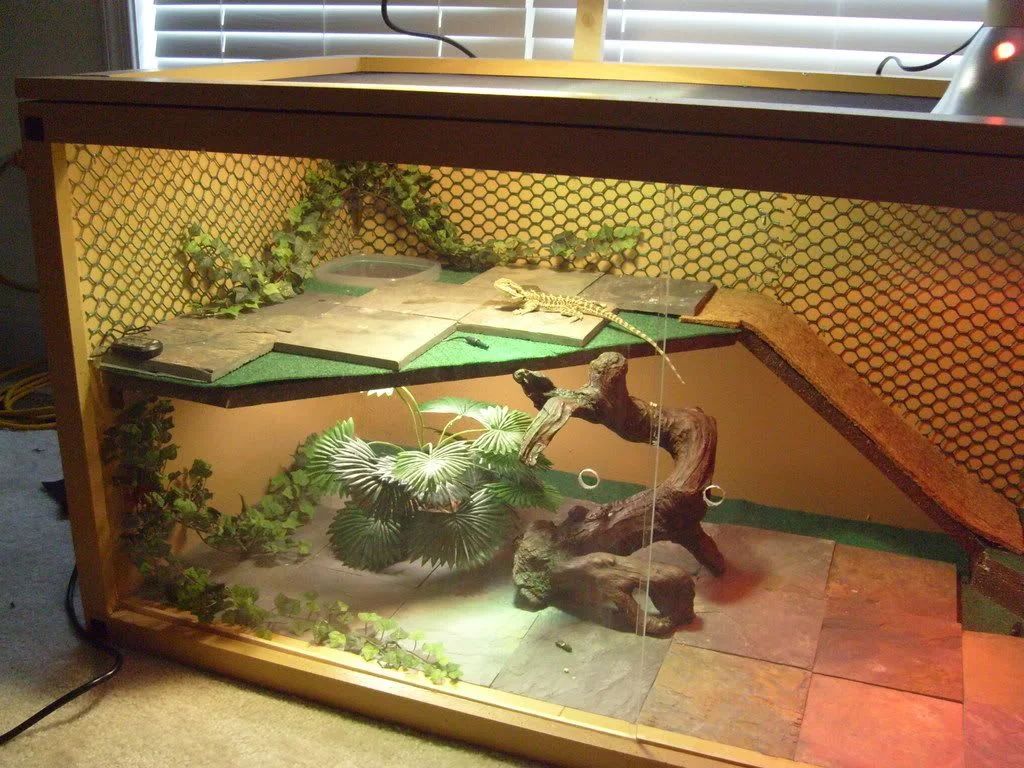
Bearded dragons are naturally inclined to climb, and providing them with climbing structures is essential for their well-being. Climbing offers exercise, exploration, and a change of perspective. DIY climbing structures allow you to customize the environment for your dragon’s needs and your available space. The best climbing structures mimic natural elements, such as branches and rocks, giving your dragon opportunities to climb, bask, and explore. This also allows them to regulate their body temperature by moving to different areas within the enclosure. This can provide a great vantage point for observing their surroundings and can even help them feel more secure. Always ensure that any climbing structure is sturdy, safe, and made of non-toxic materials that won’t harm your dragon.
Materials Needed for Climbing Structures
You can use a variety of materials to create climbing structures. Safe, natural branches from fruit trees or other non-toxic wood are an excellent choice. Be sure to sanitize any natural wood by baking it in the oven at a low temperature to kill any parasites. You can also use rocks, ensuring they are securely placed to prevent injury. PVC pipes can be used to create a sturdy base or frame for your structure, while reptile-safe glue can be used to hold things together. Avoid using anything that has sharp edges or can splinter. The key is to select materials that are safe, non-toxic, and appropriate for your dragon’s size and weight. Consider the ease of cleaning and maintenance when choosing materials, as you’ll need to keep the structure clean to maintain a healthy environment for your dragon.
Building the Climbing Structure
Construction depends on the design. For branches, arrange them to create a network of pathways and basking spots. Secure the branches to a sturdy base or to the sides of the enclosure. When using PVC pipes, design a stable framework and attach branches or rocks using reptile-safe glue or screws. Make sure to position the structure so your dragon can easily access different areas of the enclosure. Ensure there are various levels for your dragon to climb, explore, and bask. Consider your dragon’s size and age when building the structure. Smaller dragons might need more accessible climbs, whereas larger dragons may require more robust support. After building, regularly inspect the structure for any signs of wear and tear. Clean it regularly, and make sure it’s always a safe and enjoyable place for your dragon.
DIY Enrichment Project 2 Dig Boxes

Digging is a natural behavior for bearded dragons, so providing a dig box is a fantastic way to satisfy their instinctive needs. Dig boxes offer a place to burrow, hide, and potentially forage. They can also provide a change of texture in their environment, offering sensory stimulation. A dig box can be a simple container filled with a substrate suitable for burrowing. It should be sized appropriately for your dragon’s enclosure, ensuring your dragon has ample room to move around and explore. Dig boxes are also relatively easy to create, making them a perfect DIY project for reptile owners. This enrichment project will not only provide physical activity but will also contribute to a more natural and fulfilling life for your dragon.
Choosing the Right Substrate
The substrate is the most important aspect of your dig box. The best choices for bearded dragons are safe, non-toxic, and allow for burrowing. Safe options include a mix of play sand and organic topsoil, or a specialized reptile substrate. Avoid using substrates that can cause impaction if ingested, like calci-sand. The substrate should be deep enough for your dragon to fully burrow and explore. Consider the texture and how well it holds its shape for tunnels and burrows. The substrate should also be easily cleaned to maintain hygiene. Never use substrates containing cedar or pine shavings, which are toxic to reptiles. Properly selecting your substrate ensures the safety and enjoyment of your bearded dragon.
Creating the Dig Box
Creating the dig box is simple. You can use a plastic container, a ceramic dish, or a sectioned-off area of the enclosure. Make sure the container is large enough to accommodate your dragon. Fill the container with the chosen substrate to a depth that allows the dragon to dig and burrow freely. Place the dig box within the enclosure in an accessible location. You can also incorporate hiding places within the dig box, such as small, reptile-safe hides, to encourage exploration. Monitor your dragon’s usage of the dig box. Keep the substrate clean, removing any waste regularly and replacing it as needed. Your efforts will result in a happy dragon, happily digging and playing.
DIY Enrichment Project 3 Puzzle Feeders
Puzzle feeders provide mental stimulation by encouraging foraging behavior. Instead of simply presenting food, these feeders challenge your dragon to find and access their meal. Puzzle feeders engage their problem-solving skills and encourage activity. This is a fantastic way to make feeding time more interesting. Puzzle feeders can vary widely in design and complexity, allowing you to tailor them to your dragon’s abilities. This is an excellent way to help your dragon work for its food, mimicking the hunting and foraging behaviors they would engage in the wild. The added mental activity prevents boredom and keeps your dragon active and engaged in their environment.
Designing Puzzle Feeders
Puzzle feeders can range from simple to complex. A simple design could involve hiding insects in a pile of leaves or scattered within the enclosure. More complex feeders might require the dragon to push or manipulate a part of the feeder to reveal food. You can also use commercially available puzzle feeders designed for reptiles. When designing a puzzle feeder, consider the size of your dragon’s food items. Ensure the feeder is easy to clean and made of non-toxic materials. You can incorporate various elements, such as sliding doors, rolling balls, or hidden compartments, to create a challenging and engaging experience for your dragon. The key is to create a puzzle that requires your dragon to think and work for its food.
Building the Puzzle Feeder
The construction of the puzzle feeder depends on the design. For simpler feeders, use non-toxic materials such as wood, plastic, or food-grade containers. For more complex designs, consider using interlocking pieces, hinges, and moving parts. Ensure that all components are safe for your dragon and won’t pose a choking hazard. Secure any moving parts or openings so your dragon doesn’t get stuck or injured. You can also design feeders that can be easily disassembled for cleaning. Make sure to regularly inspect the puzzle feeder for any signs of wear and tear. Regularly clean the puzzle feeder to prevent the buildup of bacteria and ensure the food stays fresh. The result will be a mentally stimulated and more active dragon.


DIY Enrichment Project 4 Sensory Stations
Sensory stations stimulate your dragon’s senses, providing a richer and more varied experience within their enclosure. They offer opportunities for exploration through touch, smell, and sometimes even sight. Sensory stations can incorporate a variety of safe materials and objects that stimulate different senses. They help keep your dragon engaged and curious. It’s a great way to keep your dragon from getting bored, and it gives them a chance to interact with their surroundings in a more interesting way. Sensory stations are a great way to add complexity and variety to your dragon’s environment. It mimics the natural exploration that bearded dragons would have in their natural habitats.
Setting Up a Sensory Station
Creating a sensory station is quite simple. You can use a shallow container, a section of the enclosure, or even a small, dedicated area. Fill the area with different textures and materials, ensuring they are safe and non-toxic for your dragon. Consider incorporating different types of substrates, such as smooth river stones, rough pieces of bark, or soft moss. You can also introduce different smells, using herbs or spices, such as basil or oregano, in small quantities. Include elements that provide different textures and visual interest. The placement should be in a safe, accessible area of the enclosure. To encourage exploration, you can also hide treats or insects within the sensory station. Make sure to supervise your dragon’s interactions with the sensory station, ensuring they are not ingesting anything that could be harmful.
Safe Sensory Items for Bearded Dragons
Safety is the top priority when selecting items for the sensory station. Avoid anything small enough to be ingested. Ensure that all materials are non-toxic and free of sharp edges or splinters. Suitable items include smooth river stones, reptile-safe moss, and various types of bark. You can also use dried herbs and spices in small quantities. Always avoid using anything that could be harmful, such as essential oils, strong perfumes, or toxic plants. You can also include things like reptile-safe tunnels, small ceramic hides, and other objects that add to the texture and visual diversity of the station. Always monitor your dragon’s interaction with the sensory station and remove anything that causes distress.
DIY Enrichment Project 5 Tunnels and Hides
Providing tunnels and hides is essential for a bearded dragon’s sense of security. Bearded dragons feel safer when they have places to hide and retreat. Tunnels and hides offer a place to regulate body temperature, escape from stress, and satisfy their natural instinct to burrow. Creating tunnels and hides allows you to offer your dragon comfortable retreats, reducing stress and promoting a sense of security. This is particularly important for a species that can be easily overwhelmed by bright lights and open spaces. The availability of these elements contributes significantly to their well-being.
Creating Safe Hiding Places
Creating safe hiding places is a simple but highly effective enrichment project. You can use commercial reptile hides or DIY options, ensuring that the hide is the right size for your dragon. You can repurpose items such as ceramic plant pots, appropriately sized cardboard boxes, or even hollowed-out logs. Make sure the hiding place is sturdy, stable, and free of sharp edges. Ensure it provides enough shade and a sense of security. When using natural materials, be sure they are properly sanitized and safe for your dragon. You can also add substrate inside the hide to give your dragon a place to burrow or nest. Regularly clean the hiding places to maintain good hygiene.
Placement of Tunnels and Hides
The placement of tunnels and hides is important. Place them in different areas of the enclosure, including areas with varying temperatures. This allows your dragon to regulate its body temperature. You might want to place a hide near the basking area, and another in a cooler part of the enclosure. Vary the placement to keep things interesting, and to give your dragon choices. Also, consider the overall layout of the enclosure. Make sure the hides and tunnels are easily accessible and don’t block your dragon’s movement. Regularly observe how your dragon uses the hides, adjusting their placement as needed to ensure they are comfortable and secure. By offering a variety of hiding places, you create an environment that meets your dragon’s needs for both security and exploration.
Maintaining and Updating Enrichment

Enrichment is not a one-time fix, it’s an ongoing process. Maintaining and updating the enrichment in your dragon’s enclosure is key to its effectiveness. Regularly inspect all enrichment items for wear and tear. Clean them regularly to prevent the buildup of bacteria. Rotate the items, introducing new projects or rearranging existing ones. By keeping the environment fresh and exciting, you prevent boredom. Observe how your dragon interacts with different elements. Note which projects they enjoy the most, and those they seem to ignore. Tailor your approach based on these observations. The goal is to maintain a stimulating and engaging environment. This helps to keep your dragon happy and healthy for its entire life.
Signs Your Dragon Loves the Enrichment
It is very rewarding to see your bearded dragon enjoying the enrichment you provide. There are several signs that indicate your efforts are paying off. Look for increased activity levels, indicating they are exploring the environment. A happy dragon is usually a curious dragon. They will investigate new additions to their enclosure. Increased eating habits are another positive sign. Dragons are less likely to eat if they’re stressed. Regular basking and overall healthy appearance is also a good sign. If you see your dragon actively using the enrichment items you’ve created and maintaining a healthy weight and energy level, you’ve succeeded. The main goal is to ensure that your bearded dragon’s life is as fulfilling as possible.