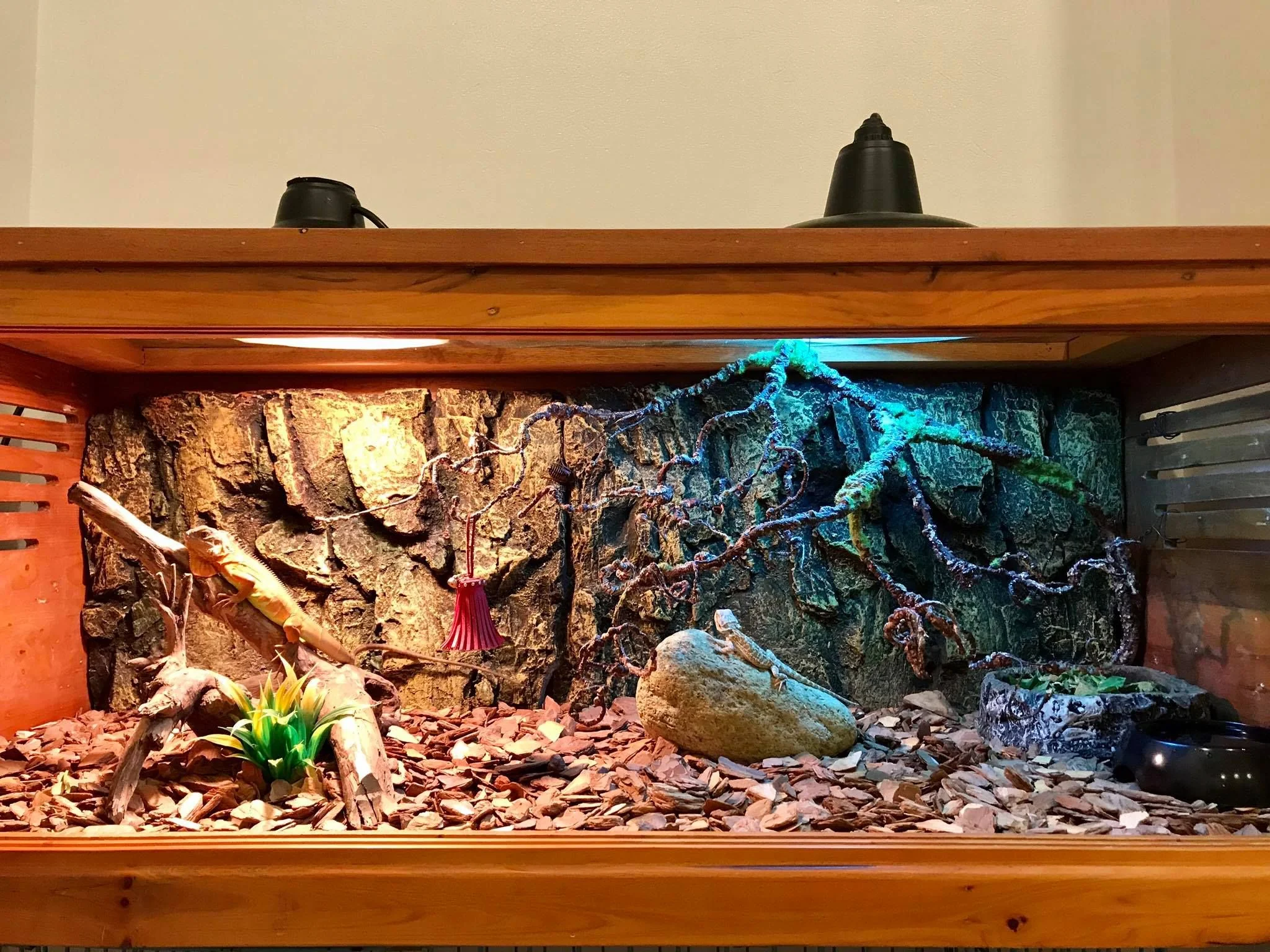
Understanding Bearded Dragon Enclosure Needs
Creating the ideal enclosure for your bearded dragon is crucial for its health and well-being. These fascinating reptiles thrive in environments that mimic their natural habitat, allowing them to regulate their body temperature, bask, and explore. Understanding their specific needs, including temperature gradients, proper lighting, and suitable substrate, is the first step toward designing an enclosure that promotes a long and healthy life for your scaly friend. A well-designed enclosure reduces stress and encourages natural behaviors, such as basking, hunting, and climbing. This foundation is vital to their well-being. This post will guide you through planning and implementing the best bearded dragon enclosure layout ideas for optimal space.
Size Matters Choosing the Right Enclosure Size
Choosing the correct enclosure size is perhaps the most fundamental aspect of bearded dragon care. A cramped environment can lead to stress, behavioral problems, and even health issues. As a general rule, a baby bearded dragon can start in a 20-gallon long tank, but this should be upgraded as the dragon grows. Adult bearded dragons need a minimum of a 4-foot by 2-foot by 2-foot enclosure (75-gallon tank or larger). Larger enclosures are always preferable, providing more space for exploration, enrichment, and the establishment of proper temperature gradients. Remember, your dragon will spend its entire life in this space; therefore, providing a spacious and stimulating environment is a priority. The optimal enclosure size enhances the overall quality of life for your pet bearded dragon, making it more likely to engage in natural behaviors and stay happy.
Factors to Consider When Planning Your Layout

Before you begin arranging the interior of your bearded dragon’s enclosure, there are several factors to consider to ensure the space is both functional and stimulating. Think about the placement of heat sources, UVB lighting, and basking spots. These elements are critical for thermoregulation and vitamin D3 synthesis. Consider the substrate type and how it will affect the humidity and ease of cleaning. Include climbing opportunities such as branches, rocks, and ledges to provide mental stimulation and physical exercise. Placement of food and water dishes must be easily accessible. Regular maintenance and cleaning will also be vital. Planning these factors in advance will save time and headaches. Proper planning leads to a healthy and happy dragon.
Creating a Heat Gradient

A heat gradient is essential for the health of your bearded dragon. This means creating varying temperature zones within the enclosure, allowing your dragon to regulate its body temperature. The basking spot should be the hottest area, typically around 95-110°F (35-43°C), while the cooler side of the enclosure should be around 75-85°F (24-29°C). This allows your dragon to move between different temperature zones to thermoregulate. Always use a reliable thermometer to monitor temperatures, ensuring that the temperature is optimal. Proper temperature regulation is directly tied to the dragon’s digestion, immune function, and overall metabolism. Without the ability to control its body temperature, a bearded dragon’s health will decline.
Placement of Heat Lamps and UVB Lighting
The correct placement of heat lamps and UVB lighting is vital for creating a healthy environment. Heat lamps should be positioned to create the basking spot, directly over a basking surface like a rock or a platform. UVB lighting, which is crucial for vitamin D3 synthesis, should be placed in such a way that your dragon can bask within a reasonable distance of the bulb. Generally, the UVB light source should be placed along the top of the enclosure, covering about half the length. Follow the manufacturer’s recommendations for bulb distance to ensure the proper UVB exposure. Incorrect placement can lead to insufficient UVB exposure, causing metabolic bone disease. Investing in a good quality UVB bulb and understanding its proper placement is a non-negotiable aspect of caring for your bearded dragon.
Choosing Substrate for Your Bearded Dragon

The choice of substrate significantly affects the health and safety of your bearded dragon. Avoid substrates that can be easily ingested and cause impaction. Substrates such as reptile carpet, paper towels, or non-adhesive shelf liner are safer options. These options are easy to clean and do not pose an impaction risk. If you want a more naturalistic setup, use a mixture of organic topsoil, playsand, and washed, clean pebbles. No matter what you choose, it should be non-toxic and easily cleaned and replaced. The substrate should also retain some moisture to help maintain humidity levels. Choosing a safe and suitable substrate is a vital aspect of the enclosure layout that enhances the overall health and well-being of your pet.
Popular Substrate Options
Several substrate options are popular among bearded dragon owners. Reptile carpet is a convenient option as it’s easily washable and reusable, though it doesn’t offer natural digging or burrowing opportunities. Paper towels are a low-cost and sanitary choice, making it easy to monitor droppings. A mix of organic topsoil and playsand provides a more naturalistic environment that allows burrowing behavior, but it requires more frequent spot cleaning. Avoid using calci-sand, as it can lead to impaction if ingested. The best substrate choice depends on your personal preference and the individual needs of your dragon, but prioritize safety and ease of maintenance. Consider what will work best for the dragon while being user-friendly for you.
Designing the Perfect Layout
The perfect enclosure layout is all about providing a stimulating and comfortable environment. Arrange the basking spot and UVB lighting in accordance with your understanding of the dragon’s needs. Ensure there are both hot and cool zones for thermoregulation. Add several climbing branches, rocks, and platforms to give your dragon opportunities for exercise and exploration. Incorporate hiding spots such as caves or hides to provide a sense of security. The placement of food and water dishes should be easy to access but not under the basking spot. Every element should contribute to the well-being of your bearded dragon. Consider your pet’s preferences and behaviors, and adjust the layout to meet its specific needs and encourage natural behaviors.
Providing Climbing Opportunities

Bearded dragons are naturally inclined to climb, so providing ample climbing opportunities is essential. Use sturdy branches, rocks, and platforms to create a varied and engaging environment. Position climbing structures at different heights within the enclosure to encourage exploration and exercise. Ensure the climbing structures are stable and do not pose a risk of falling. The use of multiple levels of elevation will stimulate your dragon, making it more active and happier. Regular exercise is important, especially for captive animals. This will not only improve their physical health but also enhance their mental well-being. Observe your dragon and adjust the climbing options accordingly, taking into account its preferences and abilities.
Adding Hiding Spots and Enrichment
Creating hiding spots is crucial for reducing stress and allowing your bearded dragon to feel safe and secure. Provide multiple hiding places in the enclosure, such as caves, rocks, or commercially available reptile hides. Place these hides in both the warm and cool zones to provide options for thermoregulation. Enrichment items, like toys, or even objects that allow them to scratch or rub on, will encourage natural behaviors and prevent boredom. Changing the layout of the enclosure periodically can also stimulate your dragon and prevent boredom. A stimulating environment is vital to maintain their mental health. The combination of hiding spots and enrichment items contributes significantly to the overall happiness of your bearded dragon.
Feeding and Watering Station Placement
The placement of feeding and watering stations is important for convenience and hygiene. Place the food dish in a location that’s easily accessible, but not directly under the basking lamp, to prevent the food from drying out too quickly. The water dish should be placed away from the heat source, and it should be shallow enough that the dragon can easily access the water. Make sure the water dish is cleaned daily to avoid bacterial growth. Consider using different dish types, such as a ceramic or shallow dish that is easy to clean and prevent the dragon from tipping it over. Cleanliness is essential. Regularly monitor your dragon’s eating and drinking habits to ensure they are getting enough nutrition and hydration. A well-placed station is a sign of proper care.
Maintaining a Clean and Healthy Environment
Maintaining a clean and healthy environment is vital for your bearded dragon’s health. Regular spot cleaning is essential. Remove droppings and soiled substrate daily. Perform a thorough cleaning of the entire enclosure weekly. Replace the substrate, wash all decor and accessories with a reptile-safe disinfectant, and wipe down the enclosure. Regular cleaning will prevent the buildup of harmful bacteria and parasites. Cleanliness contributes to your dragon’s health. Proper ventilation and controlled humidity levels are equally important to prevent respiratory problems. Keep a log of your cleaning schedule to ensure that you maintain optimal conditions. Dedication to cleanliness is fundamental to the well-being of your pet and is an important part of any bearded dragon enclosure layout.
Essential Cleaning and Maintenance


In addition to regular cleaning, routine maintenance is crucial. This includes replacing UVB bulbs every six months (or as recommended by the manufacturer), and heat lamps when they burn out. Monitor temperature and humidity levels daily using reliable thermometers and hygrometers. Regularly inspect the enclosure for any signs of damage or wear. Check your dragon’s health, including its eating habits, activity level, and overall appearance, to catch any potential issues early. Early intervention can prevent serious health problems. Keep a log of your dragon’s behavior and health, which can help you identify any changes. This routine maintenance ensures that your bearded dragon lives in a safe, comfortable, and stimulating environment.
Troubleshooting Common Enclosure Problems

Even with careful planning, problems may arise. Common issues include improper temperature or humidity levels, insufficient UVB exposure, and behavioral changes such as loss of appetite. If you notice these issues, consult a veterinarian specializing in reptiles immediately. Ensure you have the correct lighting. Many factors can contribute to your bearded dragon’s well-being. Regularly check your enclosure’s parameters with reliable tools. The ability to quickly identify and address potential problems is essential. Early intervention is key to maintaining your bearded dragon’s health. A well-prepared owner is the best defense against problems.