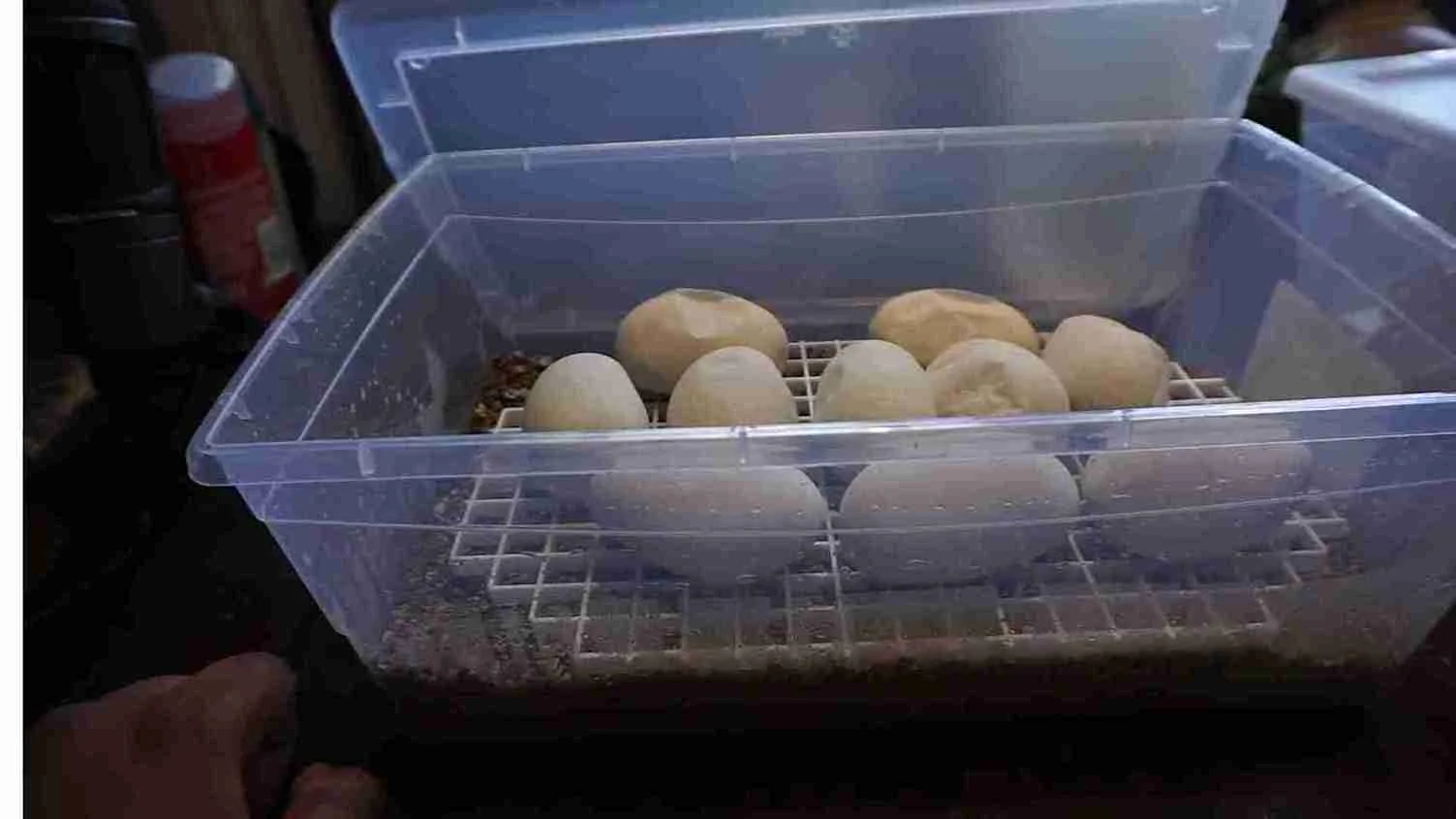
Bearded Dragon Egg Incubation Overview
Bearded dragon egg incubation is a rewarding process that allows you to breed these fascinating reptiles. However, successful incubation requires careful planning, attention to detail, and a thorough understanding of the necessary conditions. This comprehensive guide provides an ultimate checklist, ensuring you have all the information and resources needed to successfully incubate bearded dragon eggs and raise healthy hatchlings. By following this checklist, you’ll significantly increase your chances of successful hatching and contribute to the responsible breeding of these popular pets. The process, while meticulous, is ultimately achievable with diligence and the right knowledge. Understanding each step is key to ensuring a high success rate.
Understanding Bearded Dragon Eggs
Before you begin the incubation process, it’s crucial to understand the eggs themselves. Healthy bearded dragon eggs are typically white and leathery, and they should appear plump and firm to the touch. The female dragon will lay the eggs, often burying them in a substrate within a chosen laying area. The number of eggs can vary, but a typical clutch size ranges from 15 to 30 eggs. These eggs are incredibly fragile, and gentle handling is essential. Any damage to the egg can compromise the developing embryo, so extra caution is always recommended. Moreover, knowing the appearance of fertile eggs versus infertile ones helps you monitor your clutch’s progress, guiding your steps accordingly.
Identifying Fertile Eggs
One of the first steps in bearded dragon egg incubation is to identify viable, fertile eggs. Fertile eggs will show signs of development as the embryo grows. The key indicator is the presence of veins within the egg. Infertile eggs will remain translucent or may develop a yellowish discoloration. It’s also common for infertile eggs to become indented or collapse as they age. You’ll want to remove infertile eggs to prevent them from rotting and potentially contaminating the viable eggs. Careful observation is vital to identify any eggs that might be showing signs of problems. Over time, experience will teach you to spot the subtle differences between healthy and unhealthy eggs.
Egg Candling Techniques
Egg candling is a technique used to inspect eggs for fertility and embryo development. This process involves shining a bright light through the egg to visualize the inside. To candle bearded dragon eggs, you’ll need a bright light source, such as a specialized egg candler or a strong LED flashlight. Gently hold the egg up to the light source in a darkened room. Within a few days, you should start seeing visible veins, indicating a developing embryo. Continue to monitor the eggs every few days to track their progress. Infertile eggs will appear translucent, or they might show a yolk-like appearance. Candling allows you to monitor the health of the eggs without disturbing their environment.
Setting Up the Incubator

The incubator is the heart of the bearded dragon egg incubation process. Creating the right environment is fundamental to healthy development. The right incubator, with temperature and humidity control, gives the eggs their best chance of hatching. You can purchase a reptile-specific incubator, or adapt one yourself. A good incubator will maintain the specific temperature and humidity levels needed for successful incubation. Make sure the incubator is placed in a location away from drafts, direct sunlight, and sudden temperature fluctuations. Stability is key for a healthy environment.


Choosing the Right Incubator
When selecting an incubator for your bearded dragon eggs, consider the following factors. A reptile-specific incubator offers precise temperature and humidity control. Look for one with a reliable thermostat and a built-in hygrometer. The size of the incubator should accommodate the number of eggs you plan to incubate. A clear view allows you to easily monitor the eggs. Make sure the incubator provides consistent conditions throughout the incubation period. Investing in a high-quality incubator can significantly improve your chances of successful hatching. It’s important to be patient, and research different options before making a final decision. This decision is a critical part of your checklist.
Temperature and Humidity Control
Maintaining the correct temperature and humidity levels is paramount. Fluctuations can negatively impact the developing embryos. The incubator should maintain a consistent temperature and humidity level, so choose a model with accurate controls. Place a separate thermometer and hygrometer inside the incubator to double-check the readings. Regularly monitor and adjust the settings as needed. Proper ventilation helps to prevent mold and maintain a healthy environment. Ensure there’s good airflow without causing temperature or humidity fluctuations. With proper setup and monitoring, you’ll be able to create a successful incubation environment. This level of detail ensures optimal conditions for the eggs.
Recommended Temperature Range
The optimal temperature for incubating bearded dragon eggs is typically between 82-86°F (28-30°C). It’s crucial to maintain this temperature range consistently. Higher temperatures can lead to birth defects or embryo death, while lower temperatures can slow down development. Use a reliable thermometer to monitor the temperature regularly, and make adjustments to the incubator’s settings as needed. Consistency is key to success. Always use a digital thermometer to ensure accuracy. Remember that the right temperature is essential to maximizing your chances of a healthy hatch.
Ideal Humidity Levels
Humidity is just as vital as temperature. Aim for a humidity level of around 70-80% throughout the incubation process. The correct humidity prevents the eggs from drying out and supports proper development. You can maintain humidity by adding water to the incubator, using a humidity controller, or misting the incubation medium lightly. Monitor the humidity levels with a hygrometer, and adjust as needed. Proper humidity levels also help the eggs hatch properly. Keeping humidity stable is critical to a successful outcome, and should be a continuous consideration throughout the incubation period.
The Bearded Dragon Egg Incubation Checklist
This checklist provides a step-by-step guide to the bearded dragon egg incubation process. Following these steps can greatly improve your chances of success. Each stage is important, so take your time and do things correctly. Being thorough will allow you to manage this process with confidence. Careful planning and execution are the cornerstones of a thriving reptile family.
Step 1 Collecting and Handling Eggs
After the bearded dragon lays its eggs, it’s important to collect them carefully. Avoid any sudden movements that could damage the eggs. Use a soft spoon or your hands to gently lift the eggs from the laying substrate. Handle the eggs with extreme care, holding them in the same orientation as they were laid. Mark the top of the eggs with a non-toxic marker to ensure they are kept upright. Proper handling is the first step towards ensuring a healthy hatch. Remember, these eggs are fragile, and you must be gentle. A small mistake can damage the eggs and harm the baby dragons.
Step 2 The Incubation Medium
Choosing the right incubation medium is critical. The medium helps to maintain the proper humidity and provides support for the eggs. The best options include vermiculite, perlite, or a mix of both. These materials retain moisture well while allowing for air circulation. The medium should be moist but not soaking wet. Prepare the medium by mixing it with water until it’s damp to the touch. The right medium helps in keeping the eggs healthy and safe. Choose your incubation medium based on its ability to balance humidity and air circulation.

Choosing the Right Medium
Select an incubation medium that provides good moisture retention and air circulation. Vermiculite and perlite are popular choices. Vermiculite is a mineral that absorbs water well and is readily available. Perlite is a volcanic glass that also retains moisture and helps with aeration. A mix of both can provide the best of both worlds. Before you start, make sure you know the pros and cons of your chosen medium. The right choice will significantly impact your chances of success. Consider factors such as availability, cost, and the specific needs of the eggs.
Maintaining Medium Moisture

Once you’ve chosen your medium, maintaining the correct moisture level is essential. The medium should be damp but not saturated. Too much moisture can lead to mold growth, while too little can cause the eggs to dry out. Regularly check the medium by gently touching it. If it feels dry, add a small amount of water. If it’s too wet, allow it to dry out slightly. The correct moisture levels are one of the most important factors in the incubation process. Regular monitoring and adjustments are critical. Consistency will improve your chances of a healthy hatch.
Step 3 Egg Placement in the Incubator
Place the eggs carefully into the prepared incubation medium. Bury the eggs about halfway into the medium, or place them gently on the surface. Ensure the eggs are not touching each other, as this can increase the risk of mold. Maintain the orientation of the eggs by placing them in the same position as they were laid. This helps prevent damage to the developing embryo. Proper placement is essential for the eggs to develop correctly. Proper placement reduces the chances of issues with the eggs, which will improve your chances of success. Make sure that you are placing them carefully, and that the environment is safe.

Step 4 Monitoring and Turning the Eggs
During the incubation period, regularly monitor the eggs. Check for any signs of mold, excessive dryness, or other issues. Turning the eggs is usually not necessary in the case of bearded dragon eggs, as they have a slightly different structure than other reptiles, but you should maintain their orientation. The position they are in when laid matters a lot in these cases. Use a gentle candling process to check for development progress, and look for veins and other indicators. Regular monitoring helps you spot and address any potential problems early on. Check your eggs daily, or at least every other day, to catch any issues before they become serious.
Step 5 Maintaining Ideal Conditions
Throughout the incubation process, ensure the incubator maintains the correct temperature and humidity levels. Check the thermometer and hygrometer regularly, and adjust the settings as needed. Avoid opening the incubator frequently, as this can cause fluctuations in temperature and humidity. Keep the incubator in a stable environment, away from direct sunlight or drafts. Consistency is crucial for successful hatching. Maintaining the correct conditions prevents problems, while also promoting healthy development for the embryos. Following these steps makes the process much easier, leading to healthier baby dragons.
Step 6 Regularly Checking for Mold and Issues
Regularly inspect the eggs for any signs of mold or other issues. Mold can quickly spread and harm the developing embryos. If you spot any mold, carefully remove the affected egg or medium, and adjust the humidity levels. Look for any eggs that may be leaking fluid or showing signs of decay. These eggs should be removed immediately to prevent contamination. Early detection is vital. Regular inspections are a must to catch problems early. Addressing issues quickly can prevent the problem from affecting other eggs. This part of the checklist ensures the environment is safe for the baby dragons.
Step 7 Preparing for Hatching
As the hatching time approaches, make preparations for the newborn bearded dragons. Have a suitable enclosure ready with appropriate lighting and heating. Prepare a food source for the hatchlings, such as small insects or a commercial reptile food. Ensure the enclosure has a shallow water dish for drinking. Hatching time is an exciting but crucial stage. Being prepared beforehand will help you deal with anything that comes up. Preparing for this step includes having all the required supplies ready and waiting. This ensures the babies have a safe and healthy environment.
Recognizing Hatching Signs
Hatching time is usually around 55-70 days, but this can vary based on the incubation conditions. Look for signs of hatching, such as the egg beginning to crack or a small slit appearing. The hatchling may be visible through the crack. Do not interfere with the hatching process unless absolutely necessary. The baby dragon needs to absorb the yolk sac before it can survive outside of the egg. Patience is essential. Allow the hatchling to emerge naturally. If you interfere, you can cause serious damage to the dragon.
Dealing with Hatching Issues
Sometimes, hatchlings may have difficulty emerging from the egg. If a hatchling is struggling, you may gently assist by carefully removing some of the shell around the slit. Be careful not to pull the hatchling out prematurely. If the egg is very dry, you can slightly increase the humidity in the incubator to soften the shell. If you are unsure, consult with an experienced breeder or veterinarian. In most cases, the hatchling will emerge on its own. Only help if they are obviously struggling. Intervening can put the baby dragon at risk.
Post-Hatching Care Considerations
After the hatchlings emerge, it’s essential to provide proper care. This includes creating the right environment, providing the correct diet, and monitoring their health. The hatchlings are delicate, and they need the best possible care to thrive. Taking care of them properly ensures their good health and increases their chances of survival. Make sure you plan carefully and know what you will do with them after they hatch. Knowing the proper procedure is the last step in the process.
Caring for Newborn Bearded Dragons
Newborn bearded dragons are tiny and require a specific environment. House the hatchlings in a separate enclosure from the adults. The enclosure should be well-ventilated and have appropriate heating and lighting. Provide a temperature gradient, with a basking spot and a cooler area. Monitor the temperature and humidity to ensure they are within the recommended range. A clean environment is crucial. The proper setup gives the baby dragons a safe and healthy place to grow. It’s essential for their proper development and overall health. Make sure you clean their enclosure regularly.
First Feedings and Hydration
The first few feedings are crucial for the hatchlings’ health. Offer small insects, such as pinhead crickets or fruit flies, dusted with calcium and vitamin supplements. Provide fresh water in a shallow dish. Feed the hatchlings several times a day, offering as much food as they can consume in about 10-15 minutes. Monitor their feeding habits and adjust the diet as needed. These first few days are critical to their survival. They need constant care and monitoring. Maintaining this process makes sure the baby dragons are developing properly.

Creating the Ideal Environment
To ensure the well-being of your hatchlings, focus on creating the ideal environment. Provide a clean and stimulating environment, with appropriate lighting and heating. Offer a variety of insects, along with fresh greens and vegetables as they grow. Monitor their health and behavior, and seek veterinary care if needed. Regularly clean the enclosure to maintain hygiene. Consistent care and attention are vital for the growth and happiness of your baby dragons. The right environment promotes their healthy growth. Your hard work ensures that your babies are thriving.