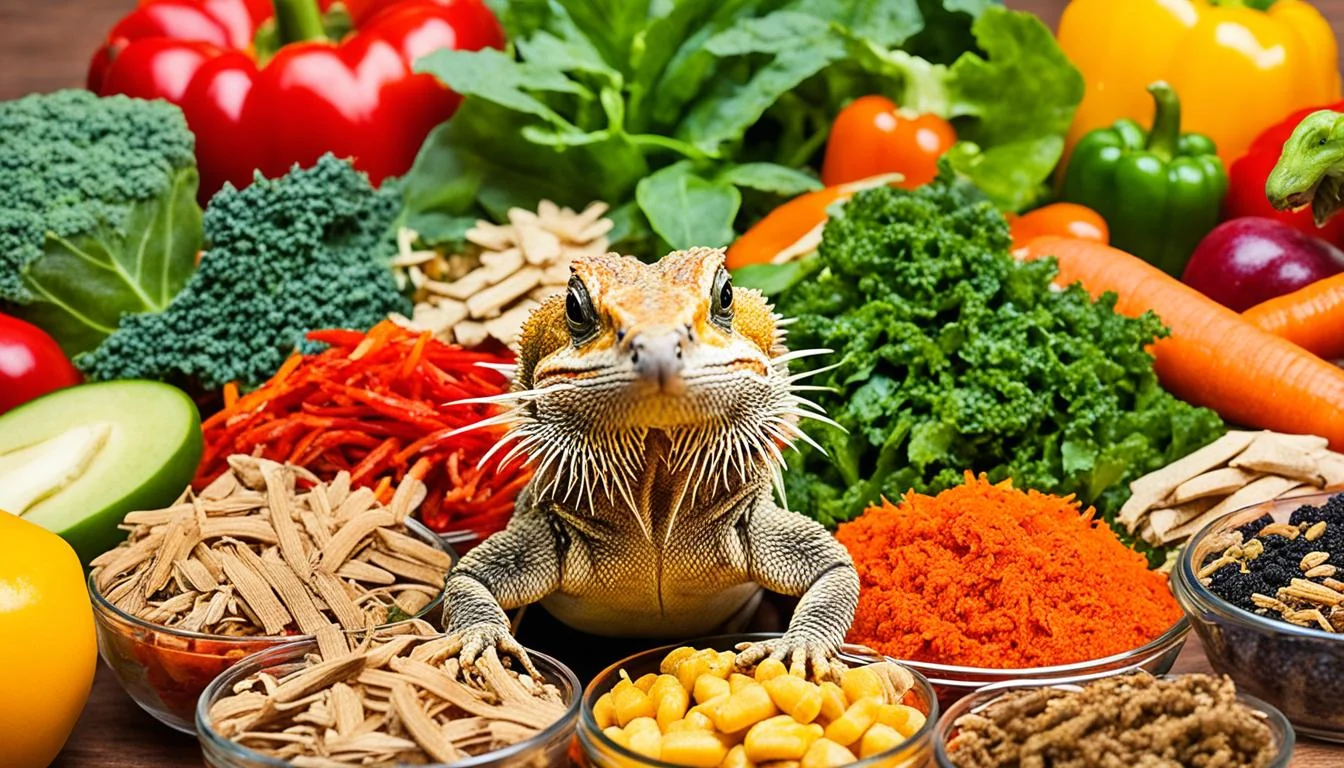
Understanding Bearded Dragon Nutritional Needs
Bearded dragons, native to the arid regions of Australia, are fascinating reptiles with specific dietary requirements. Providing a balanced diet is paramount to their overall health, longevity, and well-being. Unlike many pets, bearded dragons require a carefully curated diet that mimics their natural foraging habits. This includes a blend of live insects, fresh vegetables, and occasional fruits, all of which play a vital role in delivering essential vitamins and minerals. Without a proper diet, bearded dragons can suffer from a range of health issues, including metabolic bone disease, vitamin deficiencies, and stunted growth. Understanding these needs is the first step in ensuring your pet thrives. Proper nutrition supports their immune system, energy levels, and the vibrant colors that characterize a healthy bearded dragon. It’s a commitment that goes beyond simply feeding them; it’s about providing them with the tools they need to flourish.
The Importance of Vitamin A for Bearded Dragons
Vitamin A is a crucial fat-soluble vitamin that plays a pivotal role in a bearded dragon’s health. It supports various bodily functions, including vision, immune function, and skin health. Vitamin A deficiency can lead to several health complications, making it a critical nutrient to monitor in your dragon’s diet. This vitamin aids in maintaining healthy skin, preventing infections, and ensuring proper eye function. A well-balanced diet that includes sources rich in Vitamin A can prevent various health issues. However, it’s essential to strike a balance, as excessive amounts of Vitamin A can also be detrimental. Understanding the role of Vitamin A and incorporating it into their diet correctly is essential for your bearded dragon’s well-being.
Symptoms of Vitamin A Deficiency
Identifying signs of Vitamin A deficiency is important for your bearded dragon’s health. Common symptoms include swollen eyelids, lethargy, and respiratory infections. If your dragon’s eyes appear swollen or if they struggle to open them, this could be a sign of deficiency. Other indicators include a lack of appetite and changes in the skin, such as dryness or flakiness. Respiratory infections, such as pneumonia, are also linked to a lack of Vitamin A. If you observe these symptoms, it is important to consult a veterinarian. Early detection and intervention are essential to prevent long-term health problems. Providing a diet rich in Vitamin A can prevent and reverse these deficiencies.
Best Sources of Vitamin A


To ensure your bearded dragon gets enough Vitamin A, incorporating vitamin-rich foods is crucial. Good sources of Vitamin A include dark leafy greens, such as collard greens, mustard greens, and kale. Yellow and orange vegetables like carrots, squash, and sweet potatoes are also excellent choices. These vegetables are rich in beta-carotene, which the dragon’s body converts into Vitamin A. Insects, such as crickets and mealworms, can also provide Vitamin A if fed a proper diet themselves (gut-loading). However, it’s important to note that over-supplementation can be harmful, so moderation is key. Always offer a variety of foods to ensure a balanced intake.

Vitamin D3 the Key to Calcium Absorption
Vitamin D3 is a critical vitamin for bearded dragons, playing a significant role in calcium absorption. Unlike many animals, bearded dragons cannot synthesize vitamin D3 efficiently through their skin. Vitamin D3 allows the absorption of calcium from the food. Without sufficient D3, a bearded dragon will not be able to absorb calcium properly. This can lead to metabolic bone disease, a severe condition that affects bone health and overall well-being. Ensuring adequate Vitamin D3 intake is, therefore, essential for their health.
Why is Vitamin D3 Crucial?
Vitamin D3 is crucial because it facilitates the absorption of calcium from the digestive tract into the bloodstream. Calcium is essential for bone growth and maintenance, muscle function, and nerve transmission. Without enough vitamin D3, the bearded dragon’s body cannot effectively utilize the calcium it consumes. This can lead to metabolic bone disease, characterized by weakened bones, lethargy, and difficulty moving. The health of the bearded dragon depends on maintaining the right balance. The proper vitamin D3 intake ensures your dragon’s bones stay healthy and strong.
Ensuring Adequate Vitamin D3 Intake
There are several ways to ensure your bearded dragon gets enough Vitamin D3. One of the best ways is through UVB lighting. UVB rays help the dragon’s body produce Vitamin D3. Supplementing with a Vitamin D3 powder is important, especially for indoor dragons. Make sure the UVB bulb is the correct type and is replaced regularly as its effectiveness decreases over time. Offer supplements in the food, but always follow the product’s instructions to avoid over-supplementation, which can also be harmful. Proper lighting and diet are key to keeping your dragon healthy.
Calcium and Vitamin Balance
Calcium and vitamin D3 work in tandem to keep bearded dragons healthy. Calcium is essential for bone health, muscle function, and nerve transmission, but its absorption depends on sufficient levels of vitamin D3. An imbalance between calcium and D3 can lead to significant health problems, like metabolic bone disease. It is important to provide an appropriate calcium source in the diet, as well as ensuring the proper UVB lighting. Supplementation with a calcium powder that includes vitamin D3 is often necessary, but the frequency and dosage should be followed closely. Maintaining a good calcium-to-phosphorus ratio in their food is also important to prevent problems. Always consult a veterinarian to determine the right balance for your dragon.
Vitamin C for Immunity and Health

Vitamin C is an essential antioxidant that plays a crucial role in supporting the immune system of bearded dragons. It helps fight off infections and promote overall health. While bearded dragons can synthesize some vitamin C on their own, supplementation through their diet ensures adequate intake. Vitamin C supports tissue repair, and aids in iron absorption, keeping your dragon healthy and vibrant. A diet with enough Vitamin C can strengthen the immune system. In addition to boosting the immune system, Vitamin C also acts as an antioxidant, protecting cells from damage and contributing to the dragon’s overall well-being.
Sources of Vitamin C in the Diet

Incorporating Vitamin C-rich foods in your bearded dragon’s diet is essential. Good sources include fruits like strawberries, blueberries, and kiwi, offered in moderation. Vegetables such as bell peppers, especially red and yellow varieties, also provide significant amounts of Vitamin C. Be sure to wash all fruits and vegetables thoroughly before feeding them. While supplementing with Vitamin C powders is an option, the primary focus should be a diet rich in natural sources. Moderation is key, as too much Vitamin C can sometimes lead to digestive issues. A balanced intake through diverse food choices is the key to maintaining your dragon’s health.


Vitamin B Complex for Energy and Metabolism
The Vitamin B complex includes several vitamins essential for energy production, metabolism, and nerve function in bearded dragons. These vitamins, including B1 (thiamine), B2 (riboflavin), B3 (niacin), B6 (pyridoxine), B9 (folic acid), and B12 (cobalamin), work synergistically to support various bodily functions. A proper intake of these vitamins ensures the efficient conversion of food into energy, supporting a healthy nervous system. These vitamins are vital for overall health. A balanced diet with enough B vitamins keeps your dragon active and energetic.
Identifying B Vitamin Deficiencies
Deficiencies in B vitamins can manifest in different ways. Common signs include poor appetite, weight loss, and neurological issues. Signs like lethargy, muscle weakness, and impaired coordination can also indicate deficiencies. B vitamin deficiencies often show up as neurological problems, such as head tilting or twitching. If you notice these symptoms, consult a veterinarian immediately. Early intervention can prevent long-term damage. A balanced diet can prevent and improve these deficiencies, helping your bearded dragon stay healthy.
Maintaining a Balanced Diet
A balanced diet is the foundation of a healthy bearded dragon. This involves feeding a variety of foods. Offering a mix of live insects, fresh vegetables, and occasional fruits is important. Live insects like crickets, mealworms, and dubia roaches, are the staple of their diet, while vegetables provide essential vitamins and minerals. Fruits, offered in moderation, add variety and additional nutrients. Ensure that the food is of good quality, and that you are gut-loading the insects with nutritious foods before feeding them to your dragon. A balanced diet offers optimal nutrition for your pet. This dietary diversity ensures that the dragon receives all the nutrients, including vitamins, that they need to thrive. It is also important to ensure that clean, fresh water is available at all times.
Supplementation for Specific Needs
While a varied diet is crucial, some bearded dragons might need supplemental vitamins and minerals. This is especially true for captive-bred dragons, which might not always get all the required nutrients from their diet. Supplementation is often needed in cases of illness or deficiency. Calcium and Vitamin D3 supplements are frequently used. Be sure to follow the dosage instructions and consult with your vet to avoid over-supplementation. Overdoing supplements can be just as detrimental as a deficiency. Always research the supplements carefully, and speak with a veterinarian about the best options for your specific dragon.
Consulting a Veterinarian
Regular check-ups with a reptile veterinarian are essential for ensuring your bearded dragon’s health. A vet can assess your dragon’s nutritional status and recommend specific dietary adjustments or supplements. They can also identify potential health problems early, before they become serious. Be prepared to discuss your dragon’s diet in detail. Share what you feed, how often, and any supplements you use. The vet can provide personalized advice based on your dragon’s individual needs. Regular vet visits can ensure that your bearded dragon is healthy and thriving.