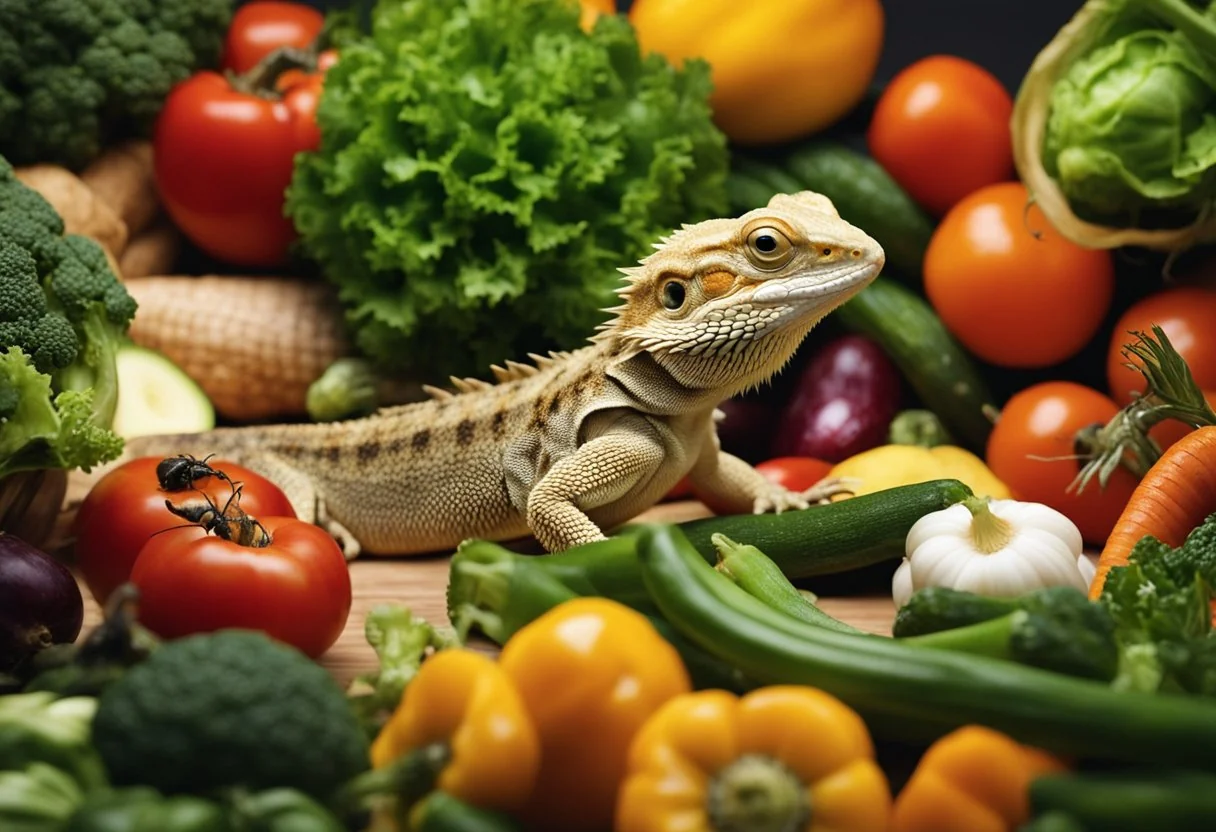
A healthy bearded dragon is a happy bearded dragon, and a crucial part of their well-being is a well-balanced diet that promotes optimal digestion. Just like humans, bearded dragons can experience digestive issues if they don’t receive the right nutrients. This guide provides a curated list of the top 5 foods you can incorporate into your bearded dragon’s diet to improve their digestion, ensuring they thrive and live a long, healthy life. Understanding the dietary needs of your reptile friend is the first step towards providing a fulfilling life. Proper digestion leads to better nutrient absorption, stronger immunity, and a more energetic dragon. By paying attention to what you feed your bearded dragon, you can drastically improve their quality of life.
Top 5 Bearded Dragon Diet Foods for Digestion
Incorporating a diverse range of foods into your bearded dragon’s diet is crucial for providing all the necessary nutrients and ensuring efficient digestion. This list focuses on foods that are easily digestible and contribute to overall gut health. Remember to always consult with a veterinarian or a reptile specialist for personalized dietary advice tailored to your bearded dragon’s specific needs and age. The food choices listed below serve as excellent options to create the foundation of a balanced and beneficial diet, contributing to a happier, healthier bearded dragon.
Leafy Greens
Leafy greens should form the base of your bearded dragon’s daily salad. They provide essential vitamins, minerals, and fiber, all of which are vital for healthy digestion. Fiber aids in the smooth movement of food through the digestive tract, preventing constipation and promoting regular bowel movements. The right greens will also provide necessary hydration that helps the digestive process. However, not all greens are created equal, and some may be better suited for your dragon’s digestive system than others. Varying the leafy greens is also a great idea to provide a wider range of nutrients, giving your pet the best shot at a long, healthy life.
Best Leafy Green Options
Excellent choices include collard greens, mustard greens, dandelion greens, and turnip greens. These greens are high in calcium and low in oxalates, which can hinder calcium absorption. Avoid feeding iceberg lettuce, as it has minimal nutritional value and provides very little fiber. Romaine lettuce can be given occasionally but is also not a nutritional powerhouse. Ensure all greens are thoroughly washed to remove any pesticides or contaminants before offering them to your dragon. Providing a variety of leafy greens each day is essential to ensure your dragon receives a wide array of vitamins and minerals to support its overall health and well-being.
Why Leafy Greens Are Important
Leafy greens offer a wealth of benefits. The high fiber content supports the digestive system, facilitating the efficient breakdown and absorption of nutrients from other foods. They also provide a rich source of vitamins, such as vitamin A and vitamin K, crucial for maintaining healthy vision, bone development, and blood clotting. The natural hydration in leafy greens helps prevent constipation and keeps your bearded dragon properly hydrated. By regularly including these greens in their diet, you are actively working to ensure that your pet stays healthy and happy. Incorporating different types will ensure a well-rounded and nutritionally complete diet for your bearded dragon.

Vegetables
Vegetables provide essential vitamins, minerals, and fiber, complementing the nutrients provided by leafy greens. They add diversity to the diet, ensuring your bearded dragon gets a wide range of nutrients. Similar to leafy greens, the fiber content in vegetables is crucial for maintaining healthy digestion by assisting the gut. Moreover, certain vegetables are rich in antioxidants, which help protect against cellular damage and support overall health. Introduce vegetables gradually to monitor your dragon’s reaction and ensure they are digesting them well. The right selection and preparation of vegetables will greatly contribute to the health of your bearded dragon.
Recommended Vegetables for Digestion
Good choices include butternut squash, acorn squash, bell peppers (especially red and yellow), and carrots (in moderation). These vegetables are packed with vitamins and minerals that support overall health and are relatively easy for bearded dragons to digest. Be cautious with vegetables high in oxalates, as they can inhibit calcium absorption. Always offer a variety of vegetables to maximize the nutritional benefit for your pet. When selecting vegetables, prioritize fresh, high-quality options, and avoid those that are wilted or showing signs of spoilage. Proper vegetable selection plays a huge role in the digestive health of your pet, leading to a healthy, happy dragon.
Vegetable Preparation Tips
Always wash vegetables thoroughly to remove any pesticides or dirt. Chop the vegetables into bite-sized pieces appropriate for your bearded dragon’s size to prevent choking hazards and make digestion easier. You can also grate harder vegetables like carrots to make them easier to eat and digest. Offering a mix of raw and slightly steamed vegetables can provide a wider range of nutrients. Lightly steaming vegetables can soften them, making them easier to digest, while also preserving some of the vital nutrients. Avoid cooking vegetables with any added seasonings or oils. Your goal is to make these vegetables easy to consume and digest, so preparation is key to their consumption.
Insects
Insects are a vital part of a bearded dragon’s diet, particularly for young dragons, as they provide essential protein for growth and development. They also contribute to overall gut health. Insects are naturally high in protein, and the chitin in their exoskeletons also provides fiber that aids in digestion. The key is to select insects that are nutritionally beneficial and easy for your dragon to digest. Always ensure that the insects are properly gut-loaded before feeding them to your bearded dragon. Gut-loading involves feeding the insects a nutritious diet, which passes those nutrients on to your pet. Insects offer a natural source of nutrition and are crucial for optimal digestion and overall well-being.
Best Insects for Gut Health
Crickets, dubia roaches, and black soldier fly larvae (BSFL) are excellent choices. These insects are relatively easy to digest and offer a good balance of protein and other essential nutrients. Dubia roaches are often preferred because they have a higher meat-to-exoskeleton ratio, making them easier to digest. BSFL are also an excellent option, known for their high calcium content, which supports bone health. Mealworms and superworms can be given sparingly as treats, as they have a higher fat content and can be harder to digest in large quantities. Variety is essential, but prioritize insects that are easily digestible to ensure the best health for your bearded dragon.
Insect Feeding Guidelines
Dust insects with calcium and vitamin D3 supplements before feeding them to your bearded dragon. This ensures they receive the necessary nutrients for strong bones and overall health. The size of the insects should be appropriate for your dragon’s size; the insects should be no longer than the space between the dragon’s eyes. Feed insects in moderation, as they are high in protein. Offer a variety of insects to provide a balanced diet. Always monitor your dragon’s weight and adjust the insect portion accordingly. Avoid feeding wild-caught insects, as they may carry parasites or diseases. Your bearded dragon will thrive on this insect diet.
Fruits
Fruits should be offered sparingly, as they are high in sugar. They can add variety to your dragon’s diet and provide essential vitamins and antioxidants. The fiber in fruits also contributes to digestive health. Fruits provide a sweet treat and some essential nutrients; however, they should never form the bulk of your bearded dragon’s diet. They should be offered less frequently than greens and vegetables. The key is to select safe options and control the serving size to avoid upsetting their digestive system. By incorporating the right fruits into your dragon’s diet, you can add a bit of variety without compromising their health.
Safe Fruit Choices


Good fruit choices include berries (strawberries, blueberries, raspberries), melon (cantaloupe, honeydew), and small amounts of mango. These fruits are generally well-tolerated and provide beneficial vitamins and antioxidants. Avoid citrus fruits, as they can be too acidic and cause digestive upset. Also, be cautious with fruits that contain large seeds, as they can pose a choking hazard. Always remove seeds before offering fruit to your bearded dragon. Make sure the fruits are ripe and fresh to ensure the best experience and avoid any potential issues for your pet. Providing your dragon with safe fruits will enhance its diet.
Fruit Serving Size and Frequency

Offer fruit a maximum of 1-2 times per week, and in small portions. Monitor your dragon’s stool to ensure they are digesting the fruit properly. Overfeeding fruit can lead to diarrhea and digestive problems. The serving size should be appropriate for the size of your bearded dragon; a few small pieces are usually sufficient. Too much fruit can lead to sugar overload and potentially cause health problems. When introducing new fruits, start with a small amount and observe your dragon for any signs of digestive distress. Careful monitoring and measured portions will help make sure your bearded dragon stays healthy.
Supplements
Supplements play a crucial role in supporting a bearded dragon’s digestion and overall health. These supplements help ensure your dragon receives all the nutrients it needs, especially when dietary adjustments are made. Regular supplementation is essential to keep your pet healthy. By understanding how and when to use supplements, you can significantly enhance your pet’s well-being and support healthy digestion. Always consult with a veterinarian for personalized advice tailored to your dragon’s specific needs. These practices will help you make the right decisions for your dragon’s health and happiness.
Probiotics for Digestion

Probiotics are beneficial bacteria that can improve gut health and aid in digestion. They help to balance the gut flora, which can improve nutrient absorption and reduce the risk of digestive upset. Probiotics can be especially helpful for bearded dragons that have recently undergone antibiotic treatment or are experiencing stress. Choose a reptile-specific probiotic supplement, as the strains of bacteria are designed for the digestive systems of reptiles. You can sprinkle the probiotic powder on your dragon’s food, following the manufacturer’s instructions. Regular use of probiotics can enhance digestion and provide overall digestive health.

Calcium and Vitamin D3 Supplementation
Calcium and vitamin D3 are essential for bone health and overall well-being. Calcium helps in bone growth and maintenance, while vitamin D3 aids in calcium absorption. Dust insects and greens with a calcium and vitamin D3 supplement, particularly for younger dragons. Ensure that your bearded dragon has access to UVB lighting, as this helps the body produce vitamin D3 naturally. Without proper supplementation and UVB exposure, bearded dragons can develop metabolic bone disease. Always follow the recommended dosage instructions on the supplement package. Proper levels of calcium and vitamin D3, alongside the right diet, are fundamental to maintaining the health of your dragon.
Conclusion
Providing the right diet is crucial for your bearded dragon’s digestive health and overall well-being. By incorporating a variety of leafy greens, vegetables, insects, and fruits, along with appropriate supplements, you can help your dragon thrive. Remember to monitor your dragon’s digestion and adjust the diet as needed. Always consult with a veterinarian for personalized advice and to address any specific concerns. With the right diet, you will be providing your bearded dragon with a healthy, happy life. Your attention to their dietary needs will ensure a vibrant and energetic companion for many years to come.