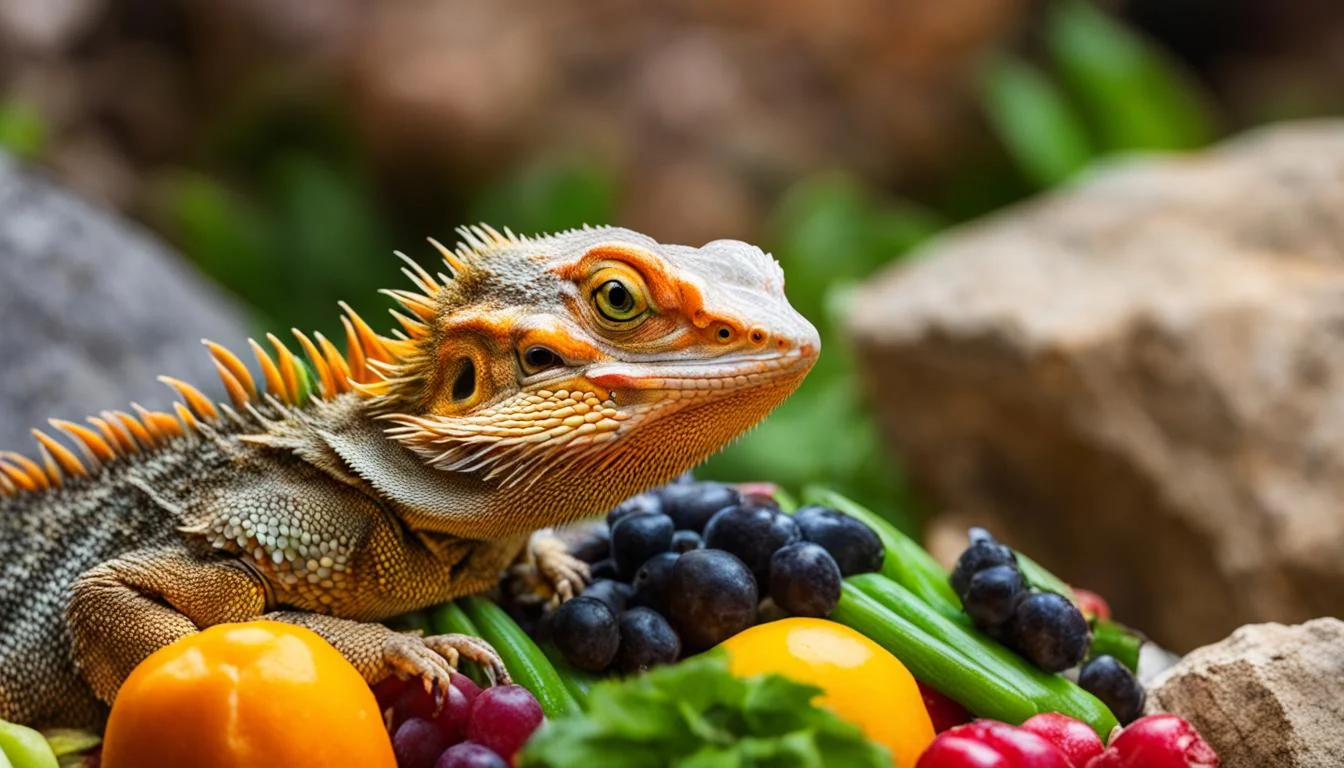
Understanding Bearded Dragon Dietary Needs
Bearded dragons, fascinating reptiles that they are, thrive on a diet tailored to their specific needs. Unlike many pets, a bearded dragon’s dietary requirements are not static; they change throughout its life. Understanding these fluctuating needs is the cornerstone of a healthy and happy dragon. Customizing your bearded dragon’s diet isn’t just about providing food, it’s about providing the right nutrients at the right time, ensuring a long and vibrant life for your scaly companion. This guide provides top tips to customize your bearded dragon’s diet.
The Importance of Customization
Customizing your bearded dragon’s diet is paramount to its overall health and longevity. A one-size-fits-all approach simply won’t cut it. Each dragon is an individual, and their nutritional needs will vary based on several factors. Providing a tailored diet ensures they receive the correct balance of vitamins, minerals, proteins, and other essential nutrients. A poorly balanced diet can lead to a host of health problems, including metabolic bone disease, obesity, and other serious conditions. With dietary customization, you take proactive measures to prevent these issues.
Factors Influencing Dietary Needs

Several factors will influence what and how much you feed your bearded dragon. Age, health condition, and activity level are primary contributors to a dragon’s dietary needs. As your dragon grows and changes, so should its diet. Regularly reviewing these factors and adjusting the diet accordingly will help ensure your dragon receives optimal nutrition. The following subtopics provide more detail of each factor.

Age
Young bearded dragons, still in their rapid growth phase, require a diet rich in protein to fuel their development. A juvenile dragon’s diet should consist primarily of insects, supplemented with a smaller portion of fresh vegetables. As they mature, the proportion of insects should gradually decrease, while the vegetable intake increases. An adult dragon’s diet typically consists of 80% vegetables and 20% insects. Ensuring the right balance is vital for their proper growth, bone development, and overall health. Improperly managing the age-related dietary needs will lead to an array of health and development problems.
Health Condition
A dragon’s health condition can significantly impact its dietary needs. If your dragon is ill or recovering from an injury, its nutritional requirements may change. Consulting with a veterinarian specializing in reptiles is crucial. They can advise on any necessary dietary modifications to aid in recovery. For example, a dragon recovering from a parasitic infection might require easily digestible foods or supplemental vitamins. The correct dietary considerations will aid recovery and get your dragon back to its healthy, energetic self. Failure to recognize and respond to any health concerns can lead to critical failure.

Activity Level
A dragon’s activity level directly affects its energy requirements. More active dragons, those who spend more time exploring their enclosure or are regularly exercised, might need a slightly higher caloric intake. Conversely, a less active dragon may require a diet with fewer calories to prevent weight gain. Observe your dragon’s behavior to gauge its activity level. Adjust the food quantity accordingly. Provide enrichment activities, such as climbing structures or toys, to encourage physical activity and maintain a healthy weight. Tailoring the diet to the activity level is critical for maintaining your dragon’s overall health and well-being.
Top 5 Customization Tips
Tip 1 Variety in Greens and Vegetables
Offer a wide range of fresh greens and vegetables daily. Variety ensures your dragon receives a broad spectrum of nutrients and prevents nutritional deficiencies. A colorful plate of mixed greens not only makes for a visually appealing meal but also provides essential vitamins, minerals, and fiber. Regularly introduce new options to keep your dragon engaged and ensure it gets a well-rounded diet. This is a key element in the customization of your dragon’s diet. Variety is key to providing the best nutrition.
Suitable Greens and Vegetables
Good choices include collard greens, mustard greens, dandelion greens, endive, and escarole. These greens are packed with vitamins and minerals. Vegetables like squash, bell peppers (especially red and yellow), and carrots can also be included. Always wash vegetables thoroughly before feeding and chop them into bite-sized pieces. Rotate the types of greens offered to provide a diverse range of nutrients and keep your dragon interested in its meals. Including a variety of greens and vegetables helps your dragon’s diet for healthy digestion and optimal health.
Avoid Toxic Foods
Certain foods are toxic or harmful to bearded dragons and should be strictly avoided. Spinach and beet greens can bind calcium, preventing its absorption. Iceberg lettuce offers little nutritional value. Avoid feeding avocado, rhubarb, or any wild plants that may have been treated with pesticides. Always research before introducing a new food to ensure it’s safe. A little research can save your pet from potential health problems. Providing a safe and healthy diet is a primary responsibility for the care of your dragon.
Tip 2 Protein Source Selection

Insects are a crucial part of a bearded dragon’s diet, especially for juveniles. Choose insects carefully, ensuring they are gut-loaded and of high nutritional quality. The type of insects you feed your dragon impacts its overall health. The right insects provide essential protein, vitamins, and minerals needed for growth and energy. The following subtopics will provide details regarding insect selections.
Choosing Insects
Crickets, dubia roaches, and mealworms are popular choices, but the best option depends on your dragon’s age and preferences. Crickets are readily available but can be challenging to contain. Dubia roaches are highly nutritious and easy to care for, but some regions may have restrictions on their ownership. Mealworms are convenient but should be fed in moderation due to their high chitin content. Consider the size of the insects and the size of your dragon. Insects should be no larger than the space between your dragon’s eyes to prevent choking hazards. Offering a variety of insect types will ensure your dragon receives a balanced diet.
Consideration of Insect Nutritional Value
Always gut-load your insects before feeding them to your dragon. Gut-loading involves feeding the insects a nutritious diet, which transfers beneficial nutrients to your dragon. The insects should be fed a high-quality diet of fresh vegetables and grains at least 24 hours before feeding them to your dragon. Supplement your dragon’s insect diet with a high-quality calcium and vitamin D3 powder. This helps maintain strong bones and prevents metabolic bone disease. By providing the best possible nutrition, you can ensure your dragon remains healthy and happy.
Tip 3 Calcium and Vitamin D3 Supplementation
Calcium and vitamin D3 are vital for bone health and overall well-being. Bearded dragons require a balanced intake of these nutrients, particularly when they are growing. Supplementation is often necessary, especially if your dragon doesn’t get adequate UVB exposure. The following subtopics provide more detail of the proper supplementation of these nutrients.

Supplement Frequency
Dust insects with a calcium and vitamin D3 supplement before feeding them to your dragon. The frequency of dusting will depend on your dragon’s age and diet. Generally, young dragons require more frequent supplementation than adults. Over-supplementation can be as detrimental as under-supplementation, so follow the manufacturer’s instructions carefully. Regular monitoring and adjustments are essential to maintain your dragon’s health. A schedule for calcium and D3 supplementation will help your pet maintain healthy bones.
Supplement Dosage
The dosage of calcium and vitamin D3 supplements depends on the product and your dragon’s specific needs. Always refer to the product label for specific guidelines. In general, dust insects with calcium powder at most feedings for young dragons and a few times a week for adults. Vitamin D3 supplementation is usually less frequent, often a couple of times a week or as directed by your veterinarian. Be careful not to over-supplement, as excessive vitamin D3 can be toxic. Following the recommended dosages and the advice from your vet is the best approach.
Tip 4 Hydration Strategies
Proper hydration is essential for your bearded dragon’s health. Dehydration can lead to various health problems, including kidney issues and lethargy. Ensure your dragon has access to fresh, clean water at all times. The following subtopics will address the best hydration strategies.
Water Sources
Provide a shallow water dish in your dragon’s enclosure. The dish should be easy to access and large enough for your dragon to drink from. Change the water daily to keep it clean and prevent bacterial growth. Many dragons also enjoy being misted with water. Mist the enclosure, especially during shedding, to help maintain humidity and keep your dragon hydrated. Regular misting sessions can also encourage your dragon to drink. Ensuring that your dragon has multiple ways to hydrate helps maintain its health and vitality.
Foods with High Water Content
Supplement your dragon’s diet with foods that have high water content, such as cucumbers and melons. These foods can help keep your dragon hydrated, especially if it’s not drinking enough from its water dish. Offer these foods in moderation, as they should not replace essential nutrients from other food sources. Be sure to wash all fruits and vegetables thoroughly. A varied diet of fruits and vegetables with high water content helps to provide nutrients and proper hydration, keeping your dragon healthy and happy.
Tip 5 Monitoring and Adjustments
Regularly monitor your dragon’s eating habits, behavior, and overall health to determine if you need to adjust its diet. Changes in your dragon’s behavior or appearance can often signal underlying issues. The following subtopics will outline how to monitor and adjust the diet.
Observing Your Dragon’s Behavior
Pay close attention to your dragon’s behavior. Is it eating well? Is it active and alert? Any changes in appetite or activity levels could indicate a problem. Look for signs of illness, such as lethargy, loss of appetite, or unusual stool. If you notice any of these symptoms, consult a veterinarian immediately. Always be aware of your dragon’s behavior to ensure you are giving it the best possible care.


Adjusting Based on Fecal Matter
Examine your dragon’s fecal matter regularly. The appearance of the feces can reveal much about your dragon’s health. Healthy feces should be firm and well-formed. Changes in color, consistency, or the presence of undigested food can signal dietary problems. Adjust your dragon’s diet based on what you see. If you are concerned about the fecal matter, consult your veterinarian. Regular monitoring is crucial for early detection of any dietary problems.
Conclusion
Customizing your bearded dragon’s diet is a crucial part of responsible pet ownership. By understanding your dragon’s unique dietary needs and following the tips outlined in this guide, you can provide it with the optimal nutrition required to thrive. Regular observation, informed adjustments, and a willingness to adapt will contribute to a healthy, happy, and long life for your bearded dragon. Remember to consult with a veterinarian specializing in reptiles for any health concerns or specific dietary advice.