The Importance of a Balanced Bearded Dragon Diet
Providing a balanced diet is crucial for the sustainable health and longevity of your bearded dragon. Just like humans, these fascinating reptiles require a variety of nutrients to thrive. A well-planned diet supports their immune system, promotes healthy growth, and ensures they have the energy they need to be active and happy. Neglecting their dietary needs can lead to a range of health issues, making dietary planning an essential part of responsible bearded dragon ownership. Understanding the specific nutritional requirements of your bearded dragon is the first step toward creating a diet that supports its long-term health.
Nutritional Needs of Bearded Dragons
Bearded dragons have specific nutritional needs that evolve throughout their lives. Young dragons require a diet higher in protein to support their rapid growth, while adults need more emphasis on vegetables and a reduction in protein. A balanced diet provides essential nutrients like protein, fiber, vitamins, and minerals in the correct proportions. This balance prevents deficiencies and ensures all bodily functions operate efficiently. Proper nutrition also plays a vital role in maintaining strong bones, healthy skin, and a robust digestive system.
Protein Requirements
Protein is a building block for bearded dragons, essential for growth and muscle development. Young dragons, still developing, need a higher protein intake, often around 50-60% of their diet coming from insects. Good sources of protein include crickets, mealworms, dubia roaches, and phoenix worms. As they mature, the protein portion can decrease to around 20-30% of the overall diet. Ensuring a variety of insect sources helps provide a broader range of amino acids, which is crucial for their overall health. Avoid feeding too many fatty insects, such as waxworms, as these can lead to health problems.
Vegetable and Fiber Requirements

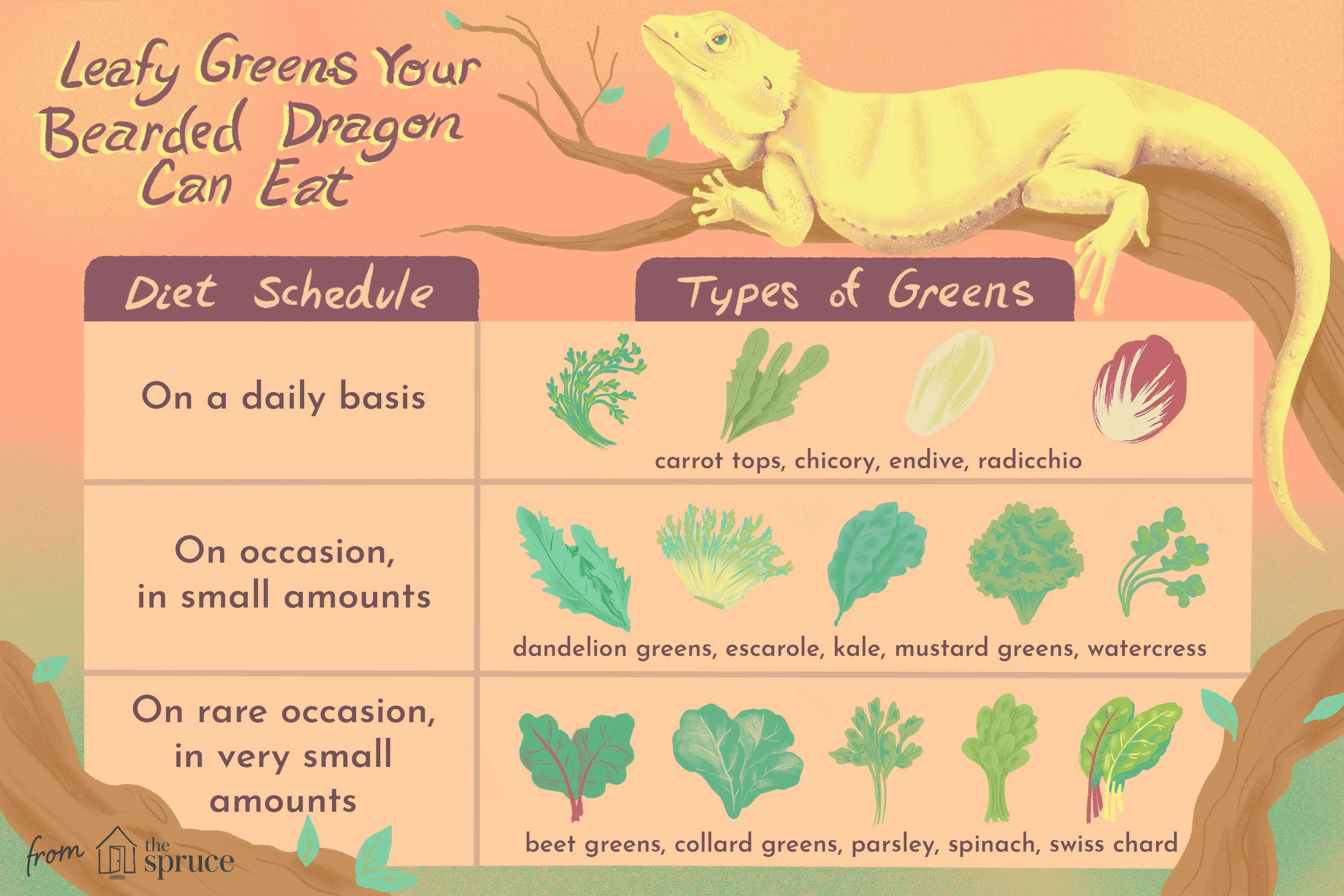
Vegetables and fiber are critical for digestive health and overall well-being. Bearded dragons should consume a variety of leafy greens, such as collard greens, mustard greens, and dandelion greens. Fiber aids in the digestion process, preventing constipation and promoting healthy bowel movements. The vegetable portion of the diet should gradually increase as the dragon ages, making up the majority of the adult dragon’s diet. Offer a mix of colorful vegetables to ensure a broad range of nutrients. Be cautious about vegetables high in oxalates and goitrogens.
Vitamin and Mineral Requirements
Vitamins and minerals are essential for a bearded dragon’s overall health. A lack of these can lead to metabolic bone disease and other health problems. Calcium and Vitamin D3 are particularly important for bone health, and must be supplemented in their diet. Vitamin A is crucial for vision, growth, and immune function. Proper supplementation and a varied diet can provide these necessary vitamins and minerals. Ensure the supplements are specifically formulated for reptiles and follow dosage instructions carefully to avoid over-supplementation. Using a reptile-specific multivitamin is advisable.
Top 7 Healthy Foods for Bearded Dragons
Creating a nutritious diet for your bearded dragon doesn’t have to be complicated. By focusing on a variety of healthy foods, you can provide all the nutrients they need. Here are seven food categories that are essential for your bearded dragon to thrive.
Leafy Greens
Leafy greens should be a staple in your bearded dragon’s diet. They provide essential vitamins, minerals, and fiber. Variety is key, so offer different greens to provide a range of nutrients.
Safe Leafy Green Varieties
- Collard Greens
- Mustard Greens
- Dandelion Greens
- Turnip Greens
- Endive
Insects
Insects provide essential protein, especially for younger dragons. Offer a variety of insects to avoid nutritional deficiencies.

Best Insect Choices
- Crickets
- Dubia Roaches
- Phoenix Worms
- Mealworms (in moderation)
- Black Soldier Fly Larvae
Fruits
Fruits can be a tasty treat but should be offered sparingly due to their high sugar content. They provide vitamins and can add variety to the diet.
Safe Fruit Options
- Blueberries
- Strawberries
- Raspberries
- Mango (small portions)
- Figs (small portions)
Supplements
Supplements are crucial to provide the nutrients a bearded dragon might not get from food. Primarily, calcium and vitamin D3 are required.
Calcium and Vitamin D3
Dust insects with calcium powder (with vitamin D3) a few times a week. Vitamin D3 is crucial for calcium absorption. Avoid over-supplementing, which can also lead to health problems.
Water
Water is vital for bearded dragons. Providing fresh water at all times is imperative for hydration and overall health.
Why Water is Important

Bearded dragons must stay hydrated to regulate their body temperature and aid in digestion and waste removal. Ensure there’s always fresh, clean water available in a shallow dish in their enclosure. Change the water daily to prevent bacterial growth. Consider providing a water dish large enough for the dragon to soak if desired, but always ensure they can easily exit the dish.

Foods to Avoid in Bearded Dragon Diets
Not all foods are safe for bearded dragons. Some can be toxic or cause health problems. Being aware of harmful foods is critical for maintaining the wellbeing of your pet.
Toxic Foods
Certain foods are toxic and can be deadly to bearded dragons. Never feed your dragon these foods.
- Avocado
- Rhubarb
- Spinach (in large amounts)
- Wild-caught insects (risk of parasites and pesticides)
- Fireflies
Foods High in Oxalates
Foods high in oxalates bind with calcium and prevent its absorption. Limit foods with high oxalate content.
- Spinach (in large amounts)
- Beet tops
- Parsley (in large amounts)
Planning a Weekly Bearded Dragon Meal Plan
A weekly meal plan helps ensure a balanced and varied diet. It simplifies feeding and makes sure you’re not missing any essential nutrients. This plan should be adjusted based on the dragon’s age and health. Use a planner to help and track the diet and its effects.
Sample Meal Plan
This is a sample plan for an adult bearded dragon; young dragons will need more protein. Adjust portions based on your dragon’s appetite and condition. This should be considered an example and not the single way to feed a dragon. Consult with a reptile veterinarian for tailored advice.
- Monday: Collard greens, crickets dusted with calcium and D3
- Tuesday: Mustard greens, small amount of blueberries
- Wednesday: Dandelion greens, Dubia roaches
- Thursday: Turnip greens, crickets dusted with calcium
- Friday: Variety of leafy greens, small amount of strawberries
- Saturday: Fast day
- Sunday: Variety of leafy greens, Phoenix worms
Tips for Successful Feeding
Proper feeding techniques are as important as the food itself. Consistent practices will lead to a healthy, happy dragon. Always remember to provide the right environmental conditions.
Observe Your Dragon’s Eating Habits

Pay attention to your dragon’s appetite and eating habits. A sudden change in appetite can signal illness or stress. Monitor for any changes in droppings and consult a vet if anything seems wrong. Watch for signs of overfeeding or underfeeding, which require adjustments to the meal plan.
Maintain Fresh Food and Water
Always offer fresh food and clean water. Remove uneaten food promptly to prevent spoilage and bacterial growth. Regularly clean water and food dishes. Fresh food not only tastes better but also provides the maximum nutritional benefit for your pet. This should be standard practice for any pet owner.
In conclusion, a well-planned diet is essential for your bearded dragon’s sustainable health. By understanding their nutritional needs, offering a variety of healthy foods, and avoiding harmful ones, you can ensure a long, healthy, and fulfilling life for your scaly friend. Remember that consistent observation and a proactive approach to dietary planning are key to responsible bearded dragon ownership. Prioritize these dietary practices for the overall wellbeing of your pet.
