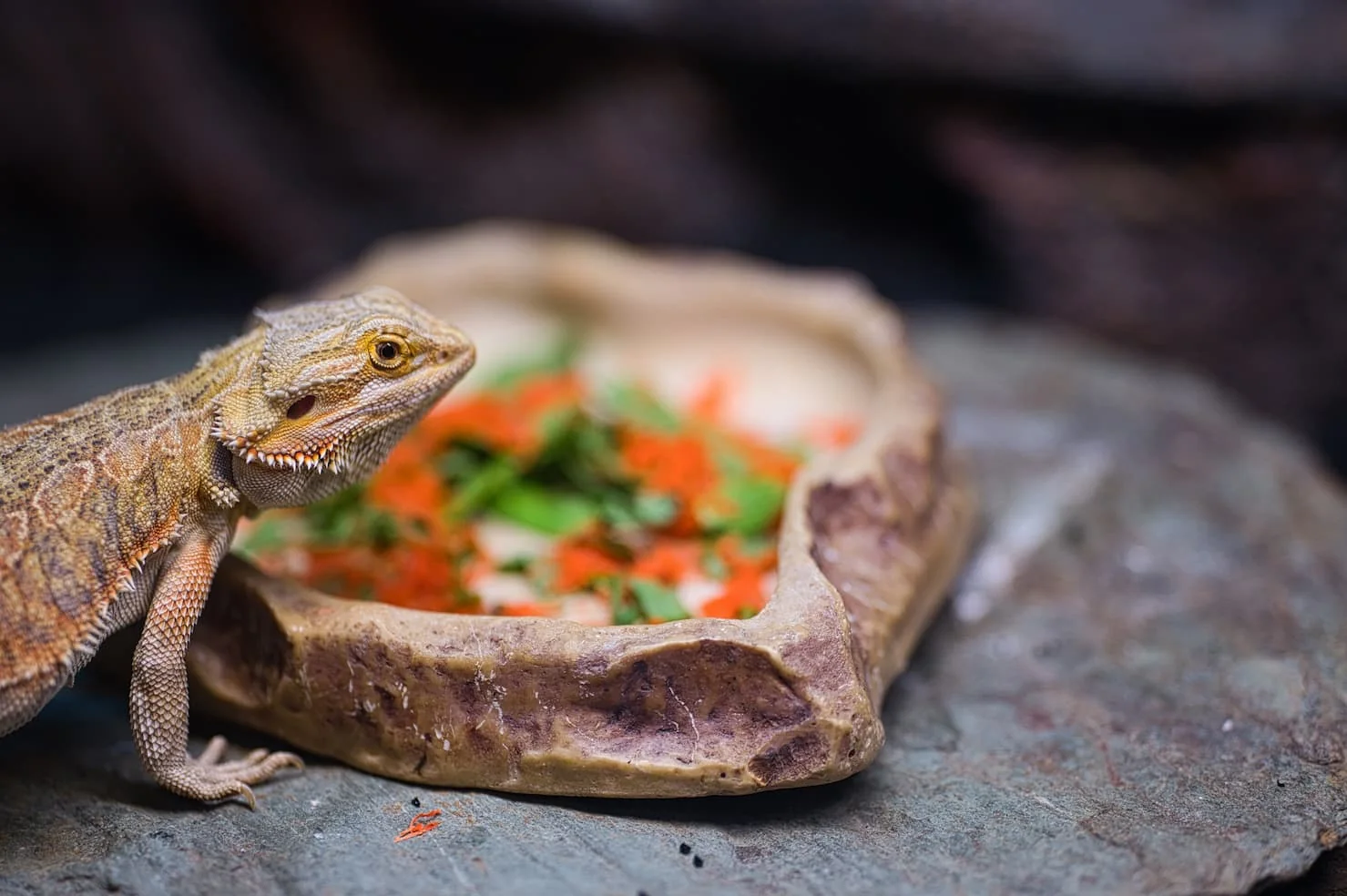
Understanding Bearded Dragon Digestion
Bearded dragons, fascinating reptiles known for their docile nature and unique appearance, require a specific diet and environment to thrive. Understanding their digestive process is fundamental to ensuring their well-being. This guide delves into the intricacies of bearded dragon digestion, from the organs involved to the factors influencing their ability to absorb nutrients effectively. By gaining insights into their digestive system, you can tailor your bearded dragon’s diet and feeding routine for optimal health and longevity. Proper digestion is essential for their growth, energy levels, and overall quality of life, making this knowledge crucial for any responsible pet owner.
How Bearded Dragons Digest Food
The digestive process of a bearded dragon begins in the mouth, where food is mechanically broken down. Unlike mammals, bearded dragons do not chew their food thoroughly; instead, they swallow it whole or in large pieces. The food then travels down the esophagus to the stomach, where digestive enzymes and acids begin to break it down further. The small intestine is where the majority of nutrient absorption takes place, facilitated by bile from the liver and enzymes from the pancreas. Finally, the large intestine absorbs water and forms waste, which is then excreted through the cloaca. This entire process can take anywhere from a few hours to a couple of days, depending on the type of food and the dragon’s overall health.
Key Digestive Organs
Several key organs play vital roles in a bearded dragon’s digestive system. The stomach secretes hydrochloric acid and enzymes to begin the breakdown of food. The small intestine is where the majority of nutrient absorption occurs, with villi maximizing the surface area for nutrient uptake. The liver produces bile, which aids in fat digestion, and the pancreas secretes enzymes that further break down carbohydrates, proteins, and fats. The large intestine absorbs water and forms waste for excretion. Understanding the function of each organ can help you identify potential digestive issues and provide appropriate care. A healthy digestive system is a sign of a healthy bearded dragon.
Factors Affecting Digestion
Various factors can influence a bearded dragon’s digestion. Temperature plays a crucial role; bearded dragons are ectothermic, meaning they rely on external sources for heat. If the temperature in their enclosure is too low, their metabolism slows down, hindering digestion. Stress can also negatively impact digestion, leading to decreased appetite and digestive issues. Diet is a significant factor; an improper diet lacking in essential nutrients can lead to digestive problems. Parasites and illnesses can also disrupt the digestive process, so regular vet checkups are essential. Ensuring proper temperature, minimizing stress, and providing a balanced diet are all critical for optimizing a bearded dragon’s digestion.
Essential Diet for Bearded Dragons
A well-balanced diet is paramount for a bearded dragon’s health and digestion. This includes a variety of insects, vegetables, and fruits, carefully selected to meet their nutritional needs. Understanding the different food groups and their importance is crucial to create a diet that supports optimal digestion and overall well-being. The right balance of nutrients will help ensure your bearded dragon thrives and lives a long, healthy life. Providing the correct food not only aids digestion but also boosts their immune system, promoting a happy and active pet.
The Importance of a Balanced Diet
A balanced diet for a bearded dragon consists of a variety of insects, vegetables, and fruits. This balanced approach ensures they receive a range of essential nutrients, vitamins, and minerals. Protein from insects is crucial for growth, while vegetables provide essential vitamins and fiber to aid digestion. Fruits can be offered in moderation, providing additional vitamins and nutrients. A balanced diet helps prevent nutritional deficiencies and promotes healthy digestion by providing a variety of fiber and nutrients to support the digestive process. Regular meal planning and the use of supplements are great methods to have a balanced diet.
Best Insects for Digestion
Several insects are beneficial for bearded dragon digestion. Crickets, dubia roaches, and mealworms are popular choices, providing high protein content essential for growth. Black soldier fly larvae (BSFL), are great because they have a favorable calcium-to-phosphorus ratio, supporting bone health. Insects should be gut-loaded before feeding to your bearded dragon; this means feeding them nutritious food before they are consumed by your pet. This enhances the nutritional value of the insects, providing additional vitamins and minerals to your bearded dragon, contributing to improved digestion. Variety is key; avoid feeding the same insects every day.
Optimal Vegetable Choices
Vegetables are essential for bearded dragon digestion, providing fiber and essential vitamins. Dark leafy greens, such as collard greens, mustard greens, and dandelion greens, are excellent choices, rich in calcium and other vital nutrients. Other suitable vegetables include squash, carrots, and bell peppers. Avoid vegetables like spinach and iceberg lettuce, as they lack significant nutritional value. Variety is also crucial with vegetables; rotate different options to ensure your bearded dragon receives a broad spectrum of nutrients. Vegetables should be chopped into small, manageable pieces to aid in digestion, and they should be offered fresh daily.
Fruit Selection Guidelines
Fruits can be offered in moderation as a supplemental part of a bearded dragon’s diet. They provide essential vitamins and add variety to their diet, but should be offered sparingly due to their high sugar content. Good choices include berries, melon, and apples (without seeds). Avoid citrus fruits due to their high acidity, and limit the amount of fruits offered to prevent digestive upset. Fruits should also be chopped into small pieces and should be offered as a small portion of their overall diet, approximately once or twice a week. Monitor your dragon’s stool for any changes in consistency when introducing new fruits.
Foods to Avoid
Certain foods should be strictly avoided in a bearded dragon’s diet due to their potential to cause digestive issues or nutritional imbalances. Avoid feeding excessive amounts of insects high in fat, like waxworms, as they can lead to obesity. Never offer processed foods, such as human food, as these often contain ingredients that are harmful to reptiles. Certain vegetables, like spinach, should be limited. Avoid feeding wild-caught insects due to the risk of parasites and pesticides. Always research any new food item before introducing it into your bearded dragon’s diet to ensure it is safe and beneficial for their health and digestion.

Feeding Routine Optimization
A well-structured feeding routine is crucial for a bearded dragon’s digestive health. The frequency and amount of food should be adjusted based on their age and specific needs. Creating a consistent feeding schedule and adhering to portion control guidelines will help ensure optimal digestion and prevent overfeeding. By understanding their age, you can adapt to their dietary needs as they grow. The ideal feeding schedule will ensure the correct nutrients are being absorbed effectively, so developing a regular feeding strategy should be prioritized.
Frequency of Feeding by Age

The feeding frequency should be adjusted based on the bearded dragon’s age. Baby bearded dragons (0-6 months) require more frequent feedings, typically 2-3 times a day, primarily consisting of insects. Juvenile dragons (6-12 months) can be fed once or twice a day, with a balanced mix of insects and vegetables. Adult dragons (12+ months) can be fed once a day or every other day, with a diet primarily consisting of vegetables and a smaller portion of insects. Monitor your dragon’s weight and adjust the feeding schedule accordingly to maintain a healthy body condition. The correct balance will ensure the correct nutrient absorption.

Portion Control Strategies
Portion control is a critical aspect of feeding bearded dragons to prevent overfeeding and obesity, which can negatively impact digestion. Offer an appropriate amount of food based on their age and size. For insects, a general guideline is to offer as many insects as your dragon can consume in 10-15 minutes. With vegetables, offer a portion size that is appropriate for the dragon’s size and appetite. Monitor your dragon’s weight and adjust the portion sizes as needed. Avoid leaving food in the enclosure for extended periods, as this can lead to bacterial growth and potential health risks. By being mindful of portions, you will promote healthy digestion.
Best Feeding Times
The best time to feed a bearded dragon is during the warmest part of the day, as this aligns with their natural activity cycle and aids in digestion. This is typically in the morning or early afternoon when the enclosure’s temperature is at its peak. This helps in boosting their metabolism and allows for better digestion. Avoid feeding them late in the evening, as this can disrupt their sleep cycle and potentially lead to digestive issues. Observe your dragon’s behavior; if they are active and alert, they are likely ready to eat. Stick to a consistent feeding schedule to help regulate their digestive processes.
Hydration and Digestion
Proper hydration is essential for a bearded dragon’s overall health, and it plays a crucial role in their digestion. Adequate water intake helps to break down food, transport nutrients, and eliminate waste effectively. Providing fresh, clean water is critical, along with maintaining the correct humidity levels in their enclosure. Maintaining the right hydration practices will also influence the digestive process, making this an essential topic.
Importance of Fresh Water
Providing a constant supply of fresh, clean water is essential for bearded dragons. Water helps with the breakdown of food in the stomach, the transport of nutrients, and the elimination of waste products. The water bowl should be cleaned and refilled daily to prevent bacterial growth. Consider using a shallow water dish to prevent accidental drowning, and place the water bowl in a location where it is easily accessible. Some bearded dragons may prefer to drink from a dripping water source or by being misted. Always monitor the water level and ensure the water is clean to support optimal hydration and digestion.
How Hydration Aids Digestion

Hydration directly aids digestion by facilitating the breakdown of food in the stomach. Water helps soften food, making it easier to digest and transport through the digestive tract. It also helps the kidneys filter waste products from the body. Dehydration can slow down the digestive process, leading to constipation and other digestive issues. Adequate hydration ensures that food moves smoothly through the digestive system. Make sure to monitor your dragon’s hydration levels by observing their behavior, skin turgor, and stool consistency. If your dragon appears dehydrated, you may want to contact a vet.
Supplements for Enhanced Digestion
While a balanced diet is the foundation of a healthy bearded dragon, certain supplements can further enhance digestion and ensure optimal health. Probiotics, calcium, and vitamin D3 are particularly important. Always consult with a veterinarian before introducing new supplements to ensure they are appropriate for your dragon’s needs. Supplements will enhance their health, digestive function, and overall well-being. Supplementation is important to ensure complete nutrition, so make sure to consult with your vet.
Probiotics and Their Benefits

Probiotics are beneficial bacteria that can aid in digestion by promoting a healthy gut flora. They help to break down food, absorb nutrients, and strengthen the immune system. Probiotics can be particularly beneficial for bearded dragons recovering from illness or those experiencing digestive issues. Look for reptile-specific probiotic supplements and follow the recommended dosage. Probiotics can also help prevent and treat common digestive issues like diarrhea and bloating. Consider adding probiotics to your bearded dragon’s diet regularly to support a healthy gut and promote better digestion.
Calcium and Vitamin D3 Importance

Calcium and Vitamin D3 are crucial for bone health and overall well-being in bearded dragons. Vitamin D3 is essential for calcium absorption, so they work together to support the skeletal system. Calcium deficiency can lead to metabolic bone disease, a serious condition. Calcium and Vitamin D3 supplements should be dusted on insects and vegetables, ensuring the dragon is receiving adequate levels. Proper lighting, including UVB, is also necessary for Vitamin D3 synthesis. Always consult with a veterinarian to determine the appropriate dosage for your bearded dragon. The combination of these two are critical for proper health.

Recognizing and Addressing Digestive Issues
Being able to recognize and address digestive issues is critical for responsible bearded dragon ownership. Early detection can prevent more serious health problems, so it is crucial to monitor your pet’s behavior, appetite, and stool consistency. Many digestive issues can be addressed with simple changes to diet or environment, but severe cases may require veterinary intervention. Regular observation and quick action are essential to maintaining your bearded dragon’s health and well-being. Having this knowledge can make you a better owner.
Signs of Digestive Problems
Several signs can indicate that your bearded dragon is experiencing digestive problems. Changes in stool consistency, such as diarrhea or constipation, are common indicators. Loss of appetite or a reluctance to eat can also signal a problem. Regurgitation, or vomiting, is another sign of digestive distress. Lethargy, or a lack of energy, can be a symptom. Observing these signs and noticing any changes in their behaviour is key. Being proactive in recognizing the symptoms will allow you to get the help needed early.
Common Digestive Issues
Bearded dragons can experience various digestive issues. Parasites, such as pinworms and coccidia, are common and can disrupt digestion. Impaction, caused by ingesting indigestible objects like sand or large insect exoskeletons, can also be a problem. Infections, such as bacterial or fungal infections, can lead to digestive upset. Nutritional deficiencies, caused by an improper diet, can also contribute to digestive issues. Recognizing these problems and seeking appropriate treatment is crucial to ensuring your bearded dragon’s health. If you notice these or other problems, you should contact your veterinarian.
When to Consult a Veterinarian
It’s essential to know when to seek professional veterinary help for your bearded dragon’s digestive issues. If you notice persistent diarrhea, constipation, or regurgitation, it’s time to consult a vet. If your dragon shows a complete loss of appetite for more than a day or two, seek veterinary care. If you suspect your dragon has ingested a foreign object, seek immediate veterinary attention. If you notice any changes in behavior that are concerning, it’s best to consult with a veterinarian. A qualified reptile veterinarian can diagnose the problem and provide appropriate treatment. Early veterinary intervention is crucial for the health and well-being of your bearded dragon.