The Importance of a Balanced Diet for Bearded Dragons
A healthy bearded dragon is a happy bearded dragon, and the cornerstone of a happy and healthy bearded dragon is a well-balanced diet. These fascinating reptiles require a carefully curated feeding routine to thrive, encompassing not just the right types of food but also the correct balance of vitamins and minerals. Neglecting this crucial aspect of their care can lead to a range of health issues, from metabolic bone disease to organ failure. Understanding the nutritional needs of your scaly companion is the first step toward ensuring they live a long, vibrant life. This article will delve into the specifics of creating a balanced diet for your bearded dragon, providing you with the knowledge to keep your pet in peak condition. This also involves choosing the right ingredients, the correct feeding frequency and portion sizes, and, crucially, the proper supplementation.
Essential Vitamins and Minerals for Bearded Dragons
Bearded dragons, like all living creatures, need a variety of vitamins and minerals to maintain optimal health. Certain nutrients play critical roles in their body functions, growth, and overall well-being. Ensuring your bearded dragon receives adequate amounts of these essential nutrients is non-negotiable for their long-term health.

Vitamin A
Vitamin A is vital for the proper functioning of your bearded dragon’s eyes, skin, and respiratory system. It helps maintain healthy vision and protects against infections. A deficiency can lead to eye problems, respiratory infections, and skin issues. Conversely, too much Vitamin A can also cause problems. Therefore, balance is key. Good sources of Vitamin A include leafy greens, such as collard greens and mustard greens, and certain insects, like crickets that have been fed a vitamin-rich diet. Images of a bearded dragon with clear eyes and healthy skin exemplify the impact of sufficient vitamin A.
Vitamin D3
Vitamin D3 is essential for calcium absorption. Without adequate D3, your bearded dragon cannot effectively use calcium, leading to metabolic bone disease (MBD). MBD is a common and serious condition in bearded dragons. They get vitamin D3 from UVB light exposure, and it is crucial to provide a UVB bulb in their enclosure. Supplementation with Vitamin D3 can also be done, but must be carefully monitored to avoid over-supplementation, as an excess can lead to other health issues. Images illustrating the use of UVB lighting within a terrarium are essential to visually represent this aspect.
Calcium
Calcium is fundamental for bone health, muscle function, and various metabolic processes. A calcium deficiency is one of the most common nutritional problems in bearded dragons. Supplementing your dragon’s diet with calcium is critical, especially for juveniles who are growing rapidly. You can dust insects with calcium powder before feeding. Always ensure that the calcium supplement includes Vitamin D3 to aid absorption. Signs of a calcium deficiency include tremors, lethargy, and bone deformities. A visual aid showing a healthy bearded dragon versus one suffering from MBD is ideal to demonstrate the impact of calcium intake.

Other Important Vitamins and Minerals
Besides Vitamin A, D3, and calcium, other nutrients are vital. Vitamin E helps with cell health. B vitamins assist in metabolism and nerve function. Minerals like phosphorus and magnesium are also necessary for various bodily functions. A balanced diet provides these nutrients, but in some cases, supplementation may be necessary. Consider the overall nutritional value of what you are feeding, and consult with a reptile veterinarian to ensure your dragon receives a fully balanced intake.
Creating a Feeding Routine for Optimal Vitamin Intake
Developing a consistent and appropriate feeding routine is paramount for your bearded dragon’s health. This routine should incorporate a variety of foods, feeding schedules, and portion sizes, all customized to their specific life stage (juvenile, adult, etc.). The goal is to provide a balanced diet that meets all their nutritional needs.

Daily Feeding Schedule

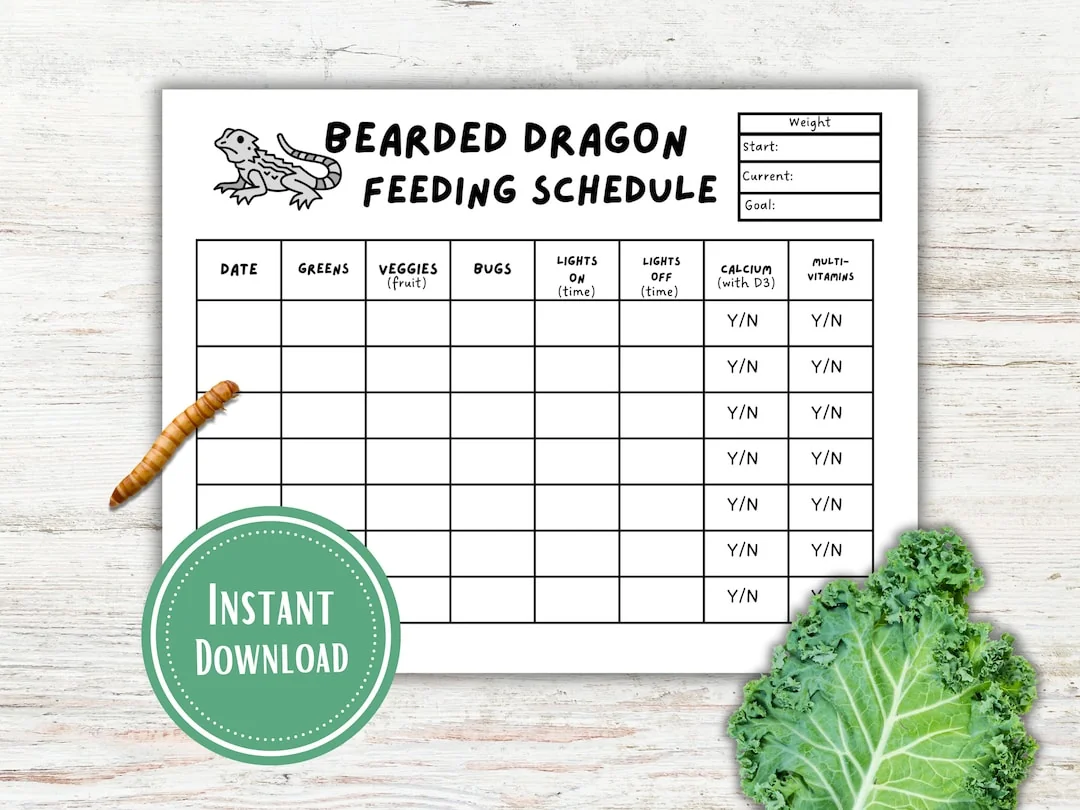
The feeding schedule depends on the dragon’s age. Juveniles (under 18 months) require more frequent feedings, typically twice a day, consisting mostly of insects, as this is their primary source of protein and energy during their growth phase. As they mature, the frequency reduces to once a day or every other day for adults. It is vital to monitor your dragon’s eating habits and adjust the schedule as necessary. Overfeeding can lead to obesity, which can cause multiple health issues. Establish a routine and stick to it as much as possible. Consistent timing will help regulate your dragon’s digestive system.

What to Feed
A well-rounded diet should include a mix of live insects, fresh vegetables and greens, and, occasionally, fruits. The variety is key to ensuring your dragon gets a wide range of essential nutrients. Always research the nutritional value of each food item before including it in your dragon’s diet. Providing a varied diet reduces the chances of nutritional deficiencies. Images of a diverse selection of food items are important to encourage owners to use diversity.
Feeding Frequency and Portion Sizes

The amount you feed your bearded dragon depends on their age, size, and activity level. As a general rule, juveniles should have access to insects for about 10-15 minutes, twice a day. Adults can eat a larger portion of insects once a day, or every other day, and their diet should shift to more vegetables. Portion sizes should be adjusted so your dragon can eat all food in a reasonable timeframe. The correct portion size will help maintain a healthy weight, and the reptile’s overall health. Overfeeding can cause health complications.
Live Insects
Live insects are a significant source of protein for bearded dragons. Crickets, dubia roaches, and mealworms are the most popular choices. It’s crucial to ‘gut-load’ the insects before feeding them to your dragon. This means feeding the insects a nutritious diet, so they pass along valuable vitamins and minerals when consumed. Avoid feeding insects that are too large for your dragon, as they can cause impaction. Vary the types of insects you offer to provide a broader range of nutrients. Images that feature the correct size of crickets for a small dragon should be used to help owners.
Vegetables and Greens
Vegetables and greens provide essential vitamins, minerals, and fiber. Offer a variety of leafy greens, such as collard greens, mustard greens, and dandelion greens, daily. Avoid vegetables high in oxalates, as they can bind to calcium and prevent absorption. Some good vegetable choices include squash and bell peppers. Wash all vegetables and greens thoroughly before feeding. Chop them into bite-sized pieces to prevent choking. Avoid iceberg lettuce as it has little nutritional value. Images of different healthy greens are good for the readers.
Fruits
Fruits should be given in moderation, as they are high in sugar. Use them as treats or as part of a varied diet, not as a staple. Good fruit options include berries, melon, and small amounts of apple. Ensure that fruits are seedless, or remove the seeds before feeding. The image of a dragon eating fruit can improve understanding.
Supplementation and Vitamins
While a balanced diet is essential, supplementation is often needed to ensure your bearded dragon receives all the necessary vitamins and minerals. Supplementation can help bridge any gaps in their dietary intake, especially in captivity. However, it’s important to be mindful of the type, dosage, and frequency of supplements to avoid potential health problems.
Choosing the Right Supplements
The two most important supplements for bearded dragons are calcium and a multivitamin formulated for reptiles. Ensure that the calcium supplement includes Vitamin D3 to help with absorption. The multivitamin should contain a range of vitamins and minerals, including Vitamin A. Always check the ingredients and the expiration date. Consult with a reptile veterinarian for specific recommendations based on your dragon’s individual needs.
Supplementing Frequency
Dust insects with a calcium and Vitamin D3 supplement before feeding them to your dragon, ideally every day for juveniles and every other day for adults. Multivitamins should be used a few times a week, following the product’s instructions. It is very important to be consistent with the schedule to avoid deficiencies. Supplementing frequency may vary slightly depending on the age of the reptile.
Avoiding Over-Supplementation
Over-supplementation can be as dangerous as under-supplementation. Too much Vitamin A or Vitamin D3 can lead to health problems. Always follow the instructions on the supplement packaging and avoid giving your dragon excessive amounts. Consult with a veterinarian to determine the best supplementation regime for your specific pet. Too much of anything, even something good, can be bad for your reptile.

Signs of Vitamin Deficiency and Excess
Being able to recognize the signs of vitamin deficiency or excess is critical to protect your bearded dragon’s health. It allows for prompt action to be taken, ensuring that the issues are managed before they can cause serious harm to the reptile. Learning the main differences between these signs is key for any bearded dragon owner.
Common Deficiency Symptoms
Signs of a vitamin deficiency can vary depending on which nutrient is lacking. Common signs of MBD, caused by calcium or D3 deficiency, include tremors, lethargy, and bone deformities. Vitamin A deficiency can lead to eye problems and respiratory infections. If you notice any concerning symptoms, consult with a veterinarian immediately. Early detection and treatment are essential to ensure your dragon’s full recovery. A picture demonstrating deficiency symptoms can be a good visual.
Signs of Vitamin Excess
Vitamin excess, or hypervitaminosis, can also be dangerous. Signs of excess Vitamin A include skin shedding and swelling, while excessive Vitamin D3 can lead to organ damage. It’s critical to monitor your dragon’s health and avoid over-supplementation. If you suspect your dragon has a vitamin excess, stop all supplementation and consult with a veterinarian immediately. The image of a bearded dragon with obvious signs can improve understanding.
Maintaining a Healthy Bearded Dragon
Creating a healthy bearded dragon is an ongoing process that extends beyond just diet. Regular check-ups with a reptile veterinarian are a crucial aspect of preventative care. Make sure the enclosure has appropriate temperature and humidity levels, provide clean water, and ensure adequate UVB exposure. By providing a balanced diet, coupled with proper care and a good environment, you are setting the foundation for a long and healthy life for your bearded dragon. Take a look at the image of a thriving reptile to remind yourself of the potential.