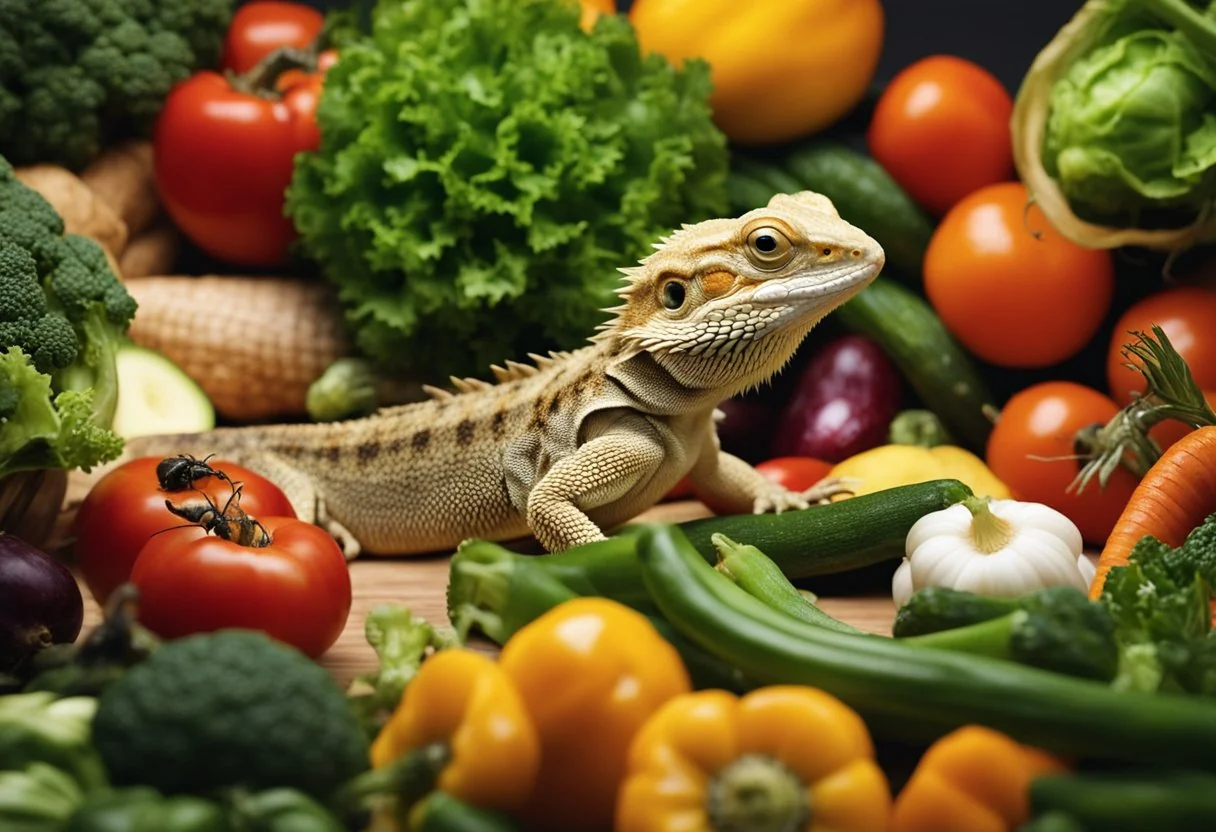
Understanding Bearded Dragon Nutritional Needs
Bearded dragons, native to the arid regions of Australia, thrive on a carefully balanced diet that mirrors their natural environment. Their nutritional requirements change as they grow, with hatchlings needing a higher protein intake than adults. Understanding these needs is crucial for ensuring your bearded dragon lives a long, healthy, and vibrant life. A well-planned diet supports their growth, immune system, and overall well-being. Neglecting these needs can lead to various health issues, impacting their quality of life and potentially shortening their lifespan. The key is to provide a varied diet that offers the right balance of proteins, vitamins, minerals, and hydration.
Why Diet Matters for Bearded Dragons
A proper diet is the cornerstone of a bearded dragon’s health. It directly impacts their energy levels, growth rate, and resistance to diseases. A diet lacking essential nutrients can lead to stunted growth, metabolic bone disease (MBD), and weakened immune function. The quality of their food significantly influences their lifespan; a well-nourished dragon is far more likely to live a longer and healthier life. Furthermore, a good diet contributes to their physical appearance, giving them vibrant colors and preventing conditions like obesity, which can strain their internal organs and reduce their mobility. Regular health checks and a well-planned diet go hand-in-hand in maintaining a thriving bearded dragon.
Common Health Problems Related to Poor Diet
Poor dietary choices can manifest as several health problems. Metabolic Bone Disease (MBD), often caused by a lack of calcium or inadequate UVB exposure, is a severe condition that leads to bone deformities and paralysis. Vitamin deficiencies, such as a lack of Vitamin A, can cause eye and respiratory problems. Obesity, resulting from overfeeding or a diet high in fatty foods, can strain the heart and liver, reducing lifespan. Constipation and impaction, due to inadequate fiber or improper hydration, are also common. Recognizing these potential issues and providing a balanced diet is the first step in prevention, ensuring a healthy and happy bearded dragon.


Essential Components of a Bearded Dragon Diet

A balanced diet for a bearded dragon comprises insects, vegetables, greens, and, to a lesser extent, fruits. The proportions change as they mature, with hatchlings requiring more insects than adults. Providing a variety of food sources ensures they receive a complete range of essential nutrients. The quality of the food, from the freshness of the vegetables to the nutritional value of the insects, plays a crucial role in their overall health. This includes sourcing food from reliable suppliers and preparing it properly to maximize its benefits. A diverse and well-planned diet will help your bearded dragon thrive.
The Importance of Insects
Insects are the primary source of protein for young bearded dragons, crucial for growth and development. As they mature, the proportion of insects in their diet decreases, but they remain a vital component. Insects provide essential amino acids, vitamins, and minerals. The choice of insects is important; some, like crickets and dubia roaches, are more nutritious than others. Regularly offering a variety of insects ensures a balanced intake of nutrients and prevents nutritional deficiencies. The size of the insects should also be appropriate for the dragon’s age to avoid choking hazards and ensure proper digestion. Consider these insects to offer a balanced diet.
Best Insects to Feed Your Bearded Dragon
Some of the best insects include crickets, dubia roaches, mealworms (in moderation), black soldier fly larvae (BSFL), and silkworms. Crickets and dubia roaches are excellent sources of protein and nutrients, with dubia roaches being particularly popular due to their higher meat content and lower chitin levels. Mealworms can be given sparingly due to their higher fat content. BSFL are rich in calcium and are a good option. Silkworms are another nutritious choice, offering essential amino acids. The insects should be sourced from reputable suppliers to avoid parasites and pesticide contamination. Always ensure the insects are properly gut-loaded before feeding them to your dragon.
How to Gut-Load Insects
Gut-loading involves feeding insects a nutritious diet before offering them to your bearded dragon. This practice significantly increases the nutritional value of the insects, passing essential vitamins and minerals to your dragon. Gut-load crickets, roaches, and other insects with a diet rich in vegetables, fruits, and commercial insect food. For example, provide them with fresh greens like collard greens, mustard greens, and dandelion greens, along with carrots, sweet potatoes, and a commercial insect food. Gut-loading should occur at least 12-24 hours before feeding the insects to your dragon, ensuring that they are full of valuable nutrients that your dragon will benefit from. This extra step dramatically increases the nutritional value of the insect.
The Role of Vegetables and Greens
Vegetables and greens provide essential vitamins, minerals, and fiber, contributing to a balanced diet. They are especially important for adult bearded dragons, who require a higher proportion of plant-based foods. Offering a variety of vegetables ensures they receive a wide range of nutrients and prevents nutritional deficiencies. The fiber in vegetables aids digestion and prevents constipation, a common issue in reptiles. Choose vegetables and greens with a good calcium-to-phosphorus ratio to support bone health. Variety is crucial, so offer a mix of leafy greens, chopped vegetables, and occasionally, a small amount of fruit.
Top Vegetables and Greens for Bearded Dragons
Some of the best vegetables and greens include collard greens, mustard greens, turnip greens, dandelion greens, and endive. These are high in calcium and other essential nutrients. Other good options include bell peppers (especially red and yellow), butternut squash, and shredded carrots. Avoid iceberg lettuce, as it offers little nutritional value. Always wash vegetables and greens thoroughly to remove any pesticides or dirt. Chop them into small pieces to make them easier for your dragon to eat and digest. Offering a colorful mix of vegetables not only provides essential nutrients but also adds interest to your dragon’s diet.
How to Prepare Vegetables and Greens
Preparing vegetables and greens properly maximizes their nutritional value and makes them easier for your bearded dragon to eat. Wash all vegetables and greens thoroughly to remove dirt and pesticides. Chop them into small, bite-sized pieces, making them easier to digest and preventing choking hazards. A food processor can be helpful for chopping large quantities quickly. Avoid over-preparing, as some nutrients can be lost. Offer a variety of textures, ensuring some greens are shredded, while others are left in slightly larger pieces. Presentation also matters; a colorful salad is more appealing to your dragon. Serve vegetables and greens fresh, avoiding wilting or spoiling.

The Significance of Fruits
Fruits can be offered in moderation as a supplement to the main diet, providing additional vitamins and adding variety. However, fruits should not form a large part of the diet due to their higher sugar content, which can lead to health issues like obesity and dental problems. The key is to select fruits with a good nutritional profile and offer them in small quantities. Always remove seeds and pits, as they can be a choking hazard. Fruits should be viewed as a treat, not a staple food. They can be a great way to provide enrichment and to encourage your dragon to eat its greens if offered together.
Safe Fruits for Bearded Dragons
Some fruits that can be offered sparingly include berries (strawberries, blueberries, raspberries), melon (cantaloupe, honeydew), and small amounts of apple or pear. These fruits offer different vitamins and antioxidants. Always remove seeds and pits, and offer fruits in small pieces. Observe your dragon’s response to different fruits, and adjust the amount accordingly. Fruits can be used as a treat to encourage them to eat other, more beneficial foods like vegetables and insects. Moderation is key when it comes to fruit.
Fruits to Avoid for Your Dragon

Some fruits are best avoided due to their high sugar content, acidity, or potential toxicity. Avoid citrus fruits (oranges, lemons, limes), as they are too acidic. Grapes and bananas should be given in very small amounts, as they are high in sugar. Rhubarb and avocados are toxic to bearded dragons and should never be offered. Always do thorough research and be cautious when introducing new fruits. Monitoring your dragon’s droppings and overall health can help determine if a specific fruit is well-tolerated. Prioritize safety and nutrition over variety.
Importance of Calcium and Vitamin D3
Calcium and Vitamin D3 are essential for bone health and overall well-being in bearded dragons. Calcium supports bone development, muscle function, and nerve transmission. Vitamin D3 aids in calcium absorption, ensuring that the calcium ingested through the diet is effectively utilized. Deficiencies in these nutrients can lead to Metabolic Bone Disease (MBD), a debilitating condition that affects their quality of life. Supplementation and proper UVB lighting are critical to prevent these deficiencies and promote optimal health.
Calcium Supplementation Guide
Calcium supplementation is essential, especially for young, growing bearded dragons. Calcium powder with Vitamin D3 should be used to dust insects a few times a week, as directed by a veterinarian or experienced reptile keeper. The frequency of supplementation depends on the dragon’s age, diet, and access to UVB lighting. Adult dragons may need calcium supplementation less frequently, but it is still crucial to prevent deficiencies. The correct amount of calcium will ensure their bones are strong and healthy. Avoid over-supplementation, as it can also lead to health issues. Consider using a calcium supplement that is free from phosphorus.
Vitamin D3 and UVB Lighting
Vitamin D3 is crucial for calcium absorption, and bearded dragons synthesize it through exposure to UVB light. UVB lighting is essential for all bearded dragons, regardless of age. Provide a UVB bulb designed for reptiles, and ensure it’s replaced regularly, as the UVB output decreases over time. The bulb should be positioned correctly to ensure the dragon can bask in the UVB rays. Place the light at the correct distance from the basking spot, as per the manufacturer’s instructions. In addition to UVB lighting, ensure that the enclosure has a temperature gradient, with a basking spot and a cooler area, to allow them to regulate their body temperature. The combination of proper lighting and a calcium-rich diet is key to their health.
Creating a Balanced Diet Plan
Creating a balanced diet plan involves assessing your dragon’s age, size, and activity level. Hatchlings require a diet rich in insects, while adults need more plant-based foods. The plan should include a variety of insects, vegetables, and greens, along with occasional fruit as a treat. Supplement the diet with calcium and Vitamin D3, and ensure proper hydration. Monitor your dragon’s weight, body condition, and overall health to adjust the diet as needed. A well-planned diet considers all the factors. A diverse, balanced, and age-appropriate plan is the cornerstone of a healthy bearded dragon.
Weekly Meal Planning for Bearded Dragons
Developing a weekly meal plan simplifies the feeding process and ensures a balanced diet. Plan the variety of insects and vegetables you will offer each day. Include a variety of insects, such as crickets, dubia roaches, and BSFL, to provide different nutrients. Prepare the vegetables in advance by chopping or shredding them. Plan for calcium supplementation by dusting insects. Rotate the types of vegetables and greens to ensure a broad nutritional intake. Adjust the plan based on your dragon’s appetite and any changes in their health. A consistent and varied schedule makes feeding easier and ensures optimal nutrition. Consider creating a schedule of the weekly plan to make it simple.

Portion Control and Feeding Frequency
Portion control and feeding frequency are crucial aspects of a bearded dragon’s diet. Hatchlings should be fed insects multiple times a day, while adults can be fed once a day or every other day. Observe your dragon’s eating habits to determine the appropriate portion sizes. The goal is to ensure they eat all their insects or vegetables within a reasonable timeframe. Overfeeding can lead to obesity and health problems. Adjust the amount of food based on their activity levels and body condition. Maintaining a consistent schedule and monitoring their weight will help you ensure they are receiving the correct amount of food. The goal is to provide enough food to support health and growth without overfeeding.
Hydration and Water Intake
Proper hydration is as important as nutrition for bearded dragons. They need access to fresh, clean water daily. Water is essential for digestion, nutrient absorption, and overall health. Dehydration can lead to various health problems. Providing a water bowl, misting the enclosure, and incorporating water-rich foods into their diet are all vital for maintaining hydration. Ensure the water bowl is clean and readily accessible. Fresh, clean water is crucial for their well-being. It is vital for their bodily functions.
How to Ensure Proper Hydration
To ensure proper hydration, provide a shallow water bowl in the enclosure and refill it daily with fresh water. Mist the enclosure regularly, especially during shedding. Offer water-rich foods such as collard greens and occasional fruits like cantaloupe. Observe your dragon drinking water, and adjust your methods if necessary. Some dragons may prefer to drink from a dripping water source or a shallow dish. Clean the water bowl regularly to prevent bacterial growth. By providing multiple ways to access water, you ensure your dragon stays hydrated and healthy.
Signs of Dehydration in Bearded Dragons
Recognizing the signs of dehydration is essential for prompt intervention. Signs include sunken eyes, wrinkled skin, and lethargy. The skin may not spring back when gently pinched. Their droppings may be dry and hard. A dehydrated dragon will often appear sluggish and disinterested in food. If you observe these signs, immediately provide fresh water and mist the enclosure. Consult a veterinarian if the dehydration is severe or persistent. Early detection and intervention can prevent serious health complications and maintain your dragon’s well-being. Regular monitoring and ensuring access to fresh water are key to preventing dehydration.
Common Diet Mistakes to Avoid
Avoiding common diet mistakes is key to preventing health problems and ensuring your bearded dragon thrives. These mistakes can range from improper food choices to inadequate supplementation. By being aware of these pitfalls, you can make informed decisions and provide the best possible care for your pet. Focusing on a varied, balanced, and age-appropriate diet is fundamental to their long-term health.
Overfeeding
Overfeeding is a common mistake that can lead to obesity and other health issues. Provide the correct portion sizes for your dragon’s age and activity levels. Watch for signs of overeating, such as a bulging abdomen. Monitor their weight and body condition regularly. If your dragon is gaining too much weight, reduce the amount of food you offer. Adjust the feeding frequency as needed. Remember that a healthy diet plan is more about quality and balance than quantity. Overfeeding can strain their internal organs and reduce mobility. Regular monitoring and adjustments are important.
Feeding Inappropriate Foods
Feeding inappropriate foods can be harmful to bearded dragons. Avoid foods high in fat, sugar, or oxalates. Avoid feeding citrus fruits, avocados, and rhubarb, which are toxic. Always research foods before offering them to your dragon. Select a varied selection of insects, vegetables, and greens to ensure a complete diet. Prioritize safe, nutritious options. A well-informed approach to food selection is the cornerstone of a healthy diet. Reading about the best foods for your bearded dragon is a great place to start.
Lack of Dietary Variety

A lack of dietary variety can lead to nutritional deficiencies. Offer a diverse range of insects, vegetables, and greens. Rotate the foods you provide to ensure your dragon receives a wide spectrum of nutrients. Providing variety not only supports their health but also adds interest to their diet. A varied diet also helps prevent picky eating habits. A diet plan which promotes variety will guarantee a healthy and happy pet. Variety adds to the quality of life for your pet.
Conclusion
Creating a balanced diet plan for your bearded dragon is crucial for their overall health and well-being. By understanding their nutritional needs, providing a variety of foods, and avoiding common mistakes, you can ensure your dragon lives a long, healthy, and vibrant life. Remember to prioritize insects, vegetables, greens, and moderation with fruits, while ensuring proper hydration and supplementation. Regular monitoring of your dragon’s health and behavior is essential for making any necessary adjustments to their diet. With proper care and attention, you can give your bearded dragon the best possible chance to thrive. Providing a proper and balanced diet is key to ensure a long and happy life.