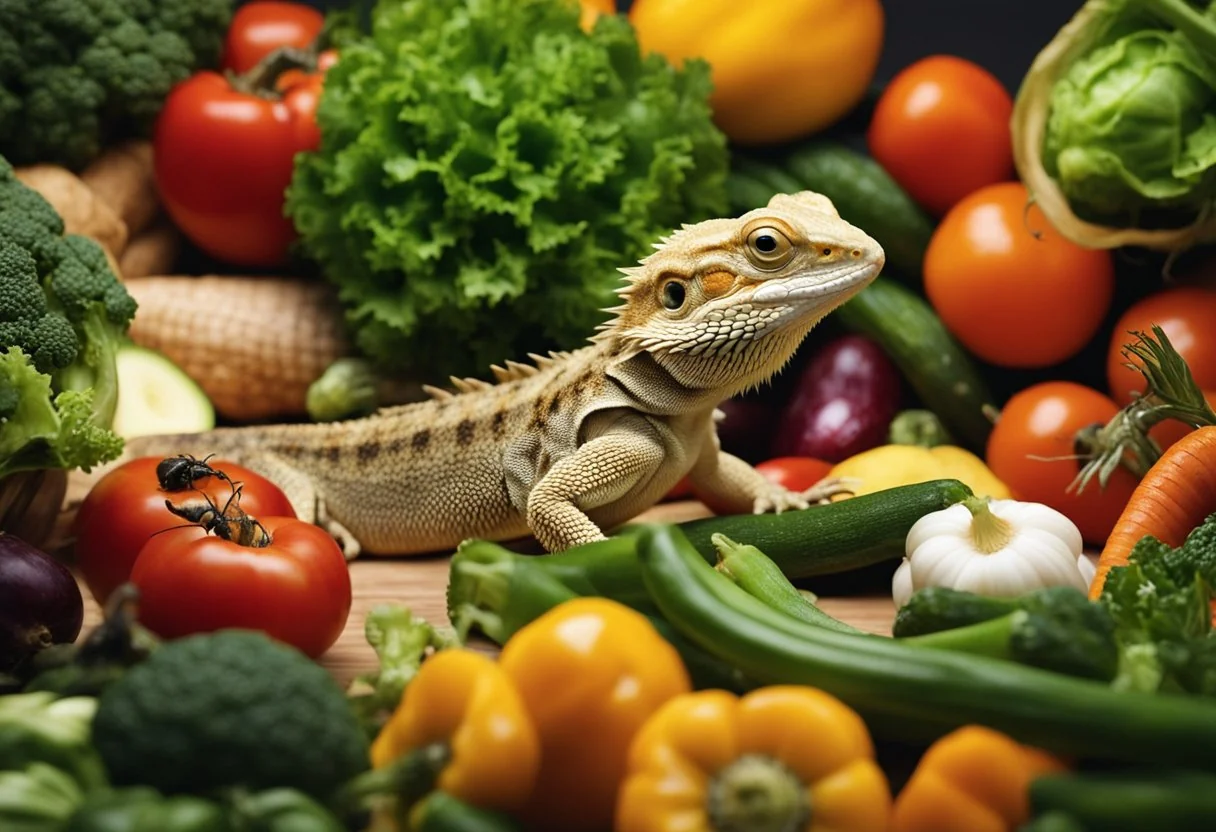
The Importance of a Balanced Bearded Dragon Diet
Providing a balanced diet is crucial for the health and longevity of your bearded dragon. A well-rounded diet ensures they receive all the necessary nutrients, vitamins, and minerals to thrive. This involves offering a variety of foods that mimic their natural diet in the wild, including insects, vegetables, greens, and fruits. The goal is to create a diet that supports healthy growth, strong bones, a robust immune system, and vibrant coloration. Ignoring the importance of a balanced diet can lead to various health problems, including metabolic bone disease, obesity, and organ failure. Therefore, understanding the dietary needs of your bearded dragon is the first step toward providing optimal care and ensuring their overall well-being. A diverse diet is the key to success.
Understanding Bearded Dragon Dietary Needs
Bearded dragons are omnivores, which means their diet should include both animal and plant matter. The proportions of each food group change as they grow. Young bearded dragons require a higher proportion of protein from insects to support their rapid growth, while adults need a greater emphasis on vegetables and greens to maintain their health. Generally, a young bearded dragon (under 18 months) should have a diet consisting of about 80% insects and 20% vegetables, whereas an adult (over 18 months) should have a diet of about 80% vegetables and 20% insects. Furthermore, considering their natural habitat, it’s important to provide a variety of foods to prevent nutritional deficiencies and keep them interested in their meals. Regular monitoring of your bearded dragon’s weight and activity level, along with consulting with a vet, can help ensure you are meeting their specific dietary needs as they mature.
The Role of Insects
Insects are a primary source of protein for bearded dragons, particularly in their younger years. They provide essential amino acids, which are the building blocks of proteins necessary for growth, muscle development, and overall health. Insects also contain fats that provide energy and help with the absorption of fat-soluble vitamins. It is very important to choose the right insects for your pet. The type and amount of insects will change as your bearded dragon grows. Keep in mind that the insects should be gut-loaded before feeding, which involves feeding them nutritious foods to increase their nutritional value. This ensures that your bearded dragon benefits fully from the insects they consume. Remember that the variety of insects is key to provide a full range of nutrients, and to keep your dragon happy and healthy.
Nutritional Value of Insects
Different insects offer various nutritional benefits. Crickets are a readily available and relatively inexpensive option, providing protein and chitin (which aids in digestion). Mealworms are high in protein but also contain a high-fat content, so they should be given in moderation. Superworms are another high-protein option, but they also have a higher fat content. Dubia roaches are considered one of the best choices due to their high protein content, balanced calcium-to-phosphorus ratio, and relatively low fat content. Black soldier fly larvae are also a good option as they are rich in calcium. The nutritional value of insects can be further enhanced by gut-loading them with nutritious foods like vegetables and commercial insect food, ensuring your bearded dragon gets the most out of each meal.
Insect Variety Recommendations
- Crickets are a staple, readily available, and relatively inexpensive.
- Dubia roaches are highly nutritious with a good calcium-to-phosphorus ratio.
- Mealworms can be given in moderation as a treat.
- Superworms are high in protein, feed sparingly due to the fat content.
- Black soldier fly larvae are excellent for their calcium content.
- Locusts can be a good occasional treat.
The Significance of Vegetables and Greens
Vegetables and greens are essential for providing essential vitamins, minerals, and fiber for adult bearded dragons. They help maintain a healthy digestive system and support overall health. Fiber aids in regulating digestion and preventing constipation, while vitamins and minerals are crucial for various bodily functions, including immune support, bone health, and vision. A diet rich in vegetables and greens also provides hydration, as these foods have a high water content. It’s important to offer a variety of greens and vegetables to ensure your bearded dragon gets a diverse range of nutrients and to prevent boredom with their diet. Always wash vegetables and greens thoroughly before feeding them to remove any pesticides or contaminants. They should be chopped into small, manageable pieces to prevent choking.
Best Vegetables for Bearded Dragons


- Collard greens are a nutritional powerhouse.
- Mustard greens are high in vitamins and minerals.
- Turnip greens are a great addition to the diet.
- Dandelion greens are a nutritious option (ensure they are pesticide-free).
- Squash like butternut or acorn squash are good choices.
- Bell peppers (especially red and yellow) offer vitamins.
Greens to Incorporate
- Leafy greens like romaine lettuce (in moderation).
- Avoid iceberg lettuce as it has little nutritional value.
- Endive is a good option.
- Arugula can be offered.
- Kale is a good source of vitamins, but feed in moderation due to goitrogens.
Fruits in a Bearded Dragon’s Diet

Fruits should be offered sparingly as treats due to their high sugar content. While fruits can provide some vitamins and minerals, excessive amounts can lead to obesity and other health issues. Fruits should constitute a small percentage of the overall diet. The sugar content in fruits can also contribute to dental problems. When offering fruits, it is important to select those with lower sugar content and to offer them in moderation. Mixing fruits with vegetables and greens can provide variety and encourage your bearded dragon to eat a wider range of foods. Always remove any uneaten fruit from the enclosure to prevent attracting fruit flies or causing spoilage.
Fruits and Treats
- Berries (blueberries, strawberries) are a good occasional treat.
- Melon (cantaloupe, honeydew) can be given in small amounts.
- Apples (without seeds) can be offered.
- Grapes (cut into small pieces).
- Avoid citrus fruits and avocados.
Foods to Avoid for Bearded Dragons
Certain foods are harmful or toxic to bearded dragons and should be strictly avoided. These foods can cause digestive upset, nutritional deficiencies, or even be fatal. It is crucial to be vigilant about what your bearded dragon consumes to ensure their safety and well-being. Always research a food before introducing it to their diet, and if you are unsure, it’s always better to err on the side of caution and not feed it. Regular monitoring of your dragon’s behavior and stool can provide clues about food-related issues. Knowing which foods to avoid is as important as knowing what to feed your dragon.
Toxic Foods and Plants
- Avocado is toxic to bearded dragons.
- Rhubarb contains oxalates and is dangerous.
- Wild insects (unless you are absolutely certain of their safety).
- Fireflies are poisonous.
- Spinach (in large quantities) interferes with calcium absorption.
- Iceberg lettuce has little nutritional value.
- Onions, garlic, and chives can cause digestive upset.
Foods to Limit in the Diet
- High-oxalate foods like spinach (in moderation).
- Sugary fruits (offer sparingly).
- Processed foods or human food.
- Meat products (unless very specifically recommended by a vet).
Water and Hydration for Bearded Dragons
Water is essential for all living creatures, and bearded dragons are no exception. Ensuring your bearded dragon stays properly hydrated is vital for their health and well-being. Dehydration can lead to various health problems, including organ failure and constipation. Provide fresh, clean water daily in a shallow dish that your dragon can easily access. Some bearded dragons might not drink from a water bowl, so misting their enclosure a few times a day can also help to keep them hydrated, as they can lick the water droplets. Regular monitoring of their stools and overall activity levels can help determine if they are getting enough water. Adequate hydration supports digestion, regulates body temperature, and supports vital organ functions. Always clean the water bowl regularly to prevent bacterial growth.
Supplements and Vitamins
Supplements are often necessary to ensure that your bearded dragon receives all essential nutrients, especially when they are kept in captivity and may not have access to the same natural resources as they would in the wild. The correct use of supplements can prevent nutritional deficiencies and support overall health. Calcium and vitamin D3 are particularly important for bone health. Multivitamin supplements can also provide a broader range of vitamins and minerals. Over-supplementation can be as harmful as under-supplementation, so following the guidance of a reptile veterinarian is crucial. Regular vet check-ups are recommended to assess your bearded dragon’s health and determine if any specific supplements are needed, and in what dosage.
Calcium and D3 Supplements
Calcium and vitamin D3 are essential for the proper absorption of calcium, which is crucial for bone health and preventing metabolic bone disease (MBD). MBD is a common and serious health issue in bearded dragons. Calcium supplements should be dusted onto insects and vegetables, especially for young dragons. Vitamin D3 helps the body absorb calcium, so it’s often included in calcium supplements or administered separately. The amount of vitamin D3 your bearded dragon needs can vary depending on their access to UVB lighting, which aids in vitamin D3 synthesis. Consult with a reptile veterinarian to determine the appropriate calcium and D3 supplementation schedule for your specific dragon, considering their age, health, and lighting setup. Remember to alternate the usage of calcium with D3 and without D3.
Vitamin and Mineral Powders

In addition to calcium and vitamin D3, multivitamin powders can help ensure your bearded dragon receives a wide range of essential vitamins and minerals. These supplements usually contain vitamins A, B, C, and E, as well as various trace minerals. They are typically dusted onto insects and vegetables before feeding. When selecting a multivitamin, choose one specifically formulated for reptiles. Follow the dosage instructions provided on the supplement packaging or consult with a veterinarian to determine the appropriate amount. Over-supplementation can lead to health problems, so it is crucial to use these products as directed and monitor your dragon’s health for any adverse effects. Supplementation should complement a balanced diet, not replace it.
Feeding Schedule and Portion Control

Establishing a regular feeding schedule and controlling portion sizes are essential for maintaining a healthy bearded dragon. This helps prevent overfeeding, obesity, and other health problems. A consistent feeding schedule also makes it easier to monitor your dragon’s eating habits and identify any potential issues. Providing the right amount of food based on their age and activity level is crucial to ensure they receive the nutrients they need without overconsumption. Regular monitoring of their weight and body condition can help you adjust their diet as needed. A proper feeding schedule also helps in maintaining a healthy digestive system.

Feeding Frequency
The frequency of feeding depends on the age of your bearded dragon. Young dragons, who are growing rapidly, require more frequent feedings. Adult dragons eat less often. Following a suitable feeding schedule ensures that your dragon gets the nutrition it needs to thrive. A young bearded dragon (under 6 months old) should be fed live insects 2-3 times a day. A juvenile bearded dragon (6-12 months old) can be fed live insects once a day. An adult bearded dragon (over 18 months old) can be fed live insects every other day or every third day, with vegetables and greens offered daily. Always offer fresh water daily. Adjust the schedule based on your dragon’s activity levels and overall health. It’s also important to offer food at a consistent time each day to establish a routine.
Portion Sizes by Age
Portion sizes should also be adjusted based on the age and size of your bearded dragon. Overfeeding can lead to obesity, which puts stress on their internal organs and reduces their lifespan. Young dragons need more insects, which is very important for their growth, the insects should be small enough for your dragon to eat easily, and the quantity should be what they can consume within 10-15 minutes. For adults, offer vegetables and greens in a quantity they can eat within a few hours. The amount of food should be adjusted based on your dragon’s body condition. Monitor their weight and adjust portion sizes as needed. The goal is to maintain a healthy body condition, not overfeeding or underfeeding. Always remove uneaten food after a reasonable amount of time to prevent attracting pests and to keep the enclosure clean.
Monitoring Your Bearded Dragon’s Health
Regular monitoring of your bearded dragon’s health is a crucial part of responsible pet ownership and plays a critical role in ensuring their overall well-being. It involves observing their behavior, feeding habits, stool, and physical condition. By being attentive to these factors, you can catch potential health problems early, improving the chances of successful treatment. Consult with a reptile veterinarian regularly for check-ups. They can perform physical exams, check for parasites, and provide guidance on diet and care. Early detection and intervention can prevent serious health issues and improve the quality of life for your bearded dragon. A healthy and happy dragon is an active dragon that enjoys its meals.
In conclusion, providing a balanced and varied diet is fundamental to the health and longevity of your bearded dragon. By understanding their dietary needs, including the importance of insects, vegetables, and fruits, as well as knowing which foods to avoid, you can create a feeding plan that supports their optimal health. Remember to supplement their diet with calcium, vitamin D3, and multivitamins as needed, and always monitor their health and adjust their diet accordingly. With proper care, your bearded dragon can live a long, healthy, and fulfilling life.