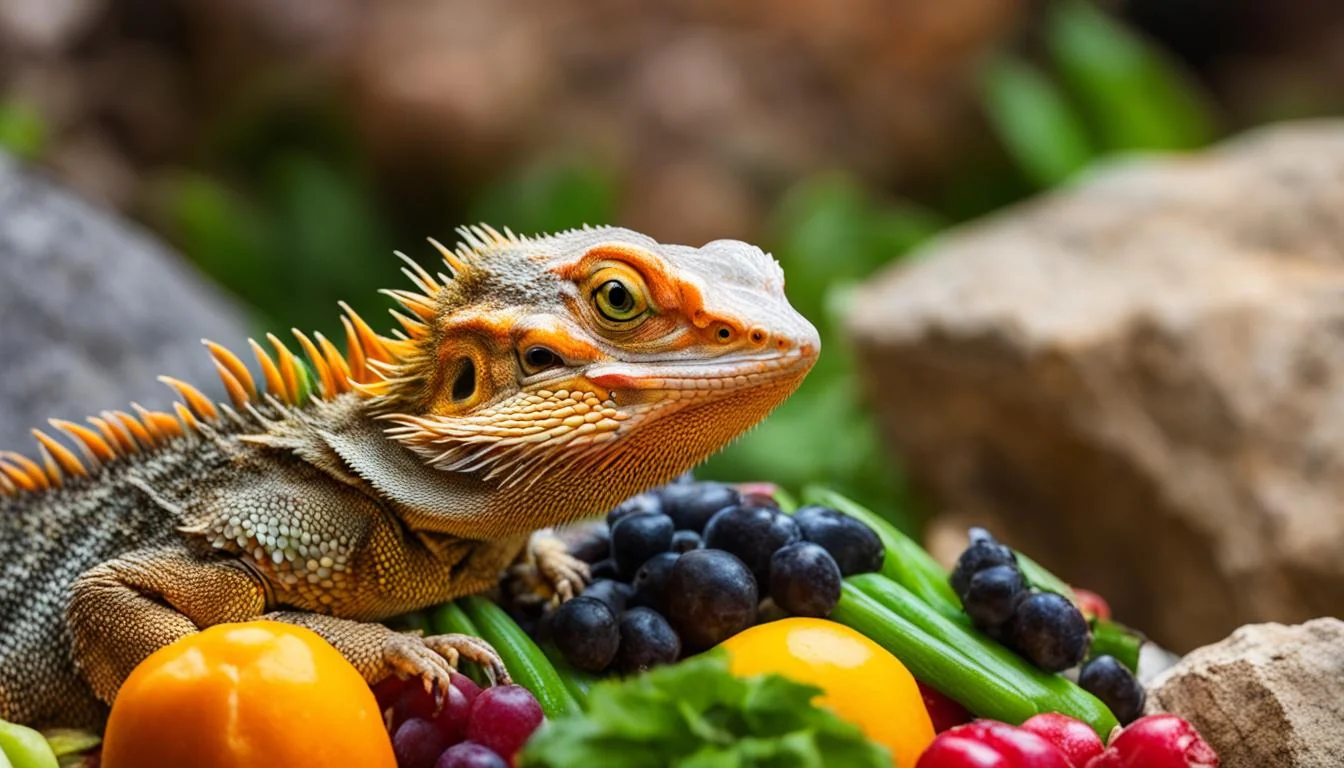
A vibrant and energetic bearded dragon is a joy to watch. Their activity levels are directly linked to their diet. This comprehensive guide explores the crucial link between your bearded dragon’s diet and its energy levels, providing insights into the best foods, feeding schedules, and essential nutrients to keep your scaly friend thriving. Understanding these dietary needs is essential for ensuring your pet lives a long, healthy, and active life. By implementing these strategies, you’ll be well on your way to a more energetic and happy bearded dragon.
Bearded Dragon Energy Boosting Foods
The cornerstone of a high-energy diet for your bearded dragon lies in the careful selection of food items. A varied diet mimicking their natural intake is key. Protein, fiber, vitamins, and minerals all play a crucial role in energy production and overall well-being. Focusing on readily digestible foods that offer a high nutrient density is crucial for a bearded dragon’s optimal health and vitality. Avoiding foods that are hard to digest or lacking in essential nutrients will make a significant difference in their energy levels.
Best Insects for Bearded Dragon Energy
Insects form the foundation of a bearded dragon’s diet, particularly during their juvenile stage. They are a vital source of protein, a primary energy source. Different insects offer varying nutritional profiles, which must be considered to maintain balance in your dragon’s diet. Prioritizing insects that are easy to digest and packed with essential nutrients will have a positive impact on your dragon’s energy.
Crickets and Their Benefits
Crickets are a readily available and excellent source of protein. They provide a good energy boost, and many bearded dragons readily accept them. However, it is crucial to dust crickets with calcium and vitamin supplements to enhance their nutritional value, ensuring your dragon receives a complete and balanced meal. The ease of obtaining crickets makes them a reliable option for frequent feeding, helping to maintain your bearded dragon’s activity levels.
Mealworms and Their Benefits


Mealworms are another popular choice, offering a good amount of protein and fat. They are particularly appealing to bearded dragons. However, mealworms have a tougher exoskeleton, making them slightly harder to digest than crickets. Feeding in moderation is advised. Prioritize smaller mealworms for younger dragons to prevent digestion issues. Supplementing mealworms with other insect options ensures a well-rounded nutrient intake, preventing any nutritional deficiencies and keeping your dragon energized.
Dubia Roaches and Their Benefits
Dubia roaches are considered by many to be the gold standard for bearded dragon insects. They are highly nutritious, containing a balanced protein-to-fat ratio, and are easily digestible. They are less likely to escape than crickets. They also provide a good amount of energy. Their slow movement makes them easier to catch for younger dragons. Feeding Dubia roaches regularly can significantly improve your bearded dragon’s energy, providing a sustained source of power for their daily activities.
Vegetables That Fuel Bearded Dragons
While insects provide essential protein, vegetables offer vital vitamins, minerals, and fiber that contribute to energy production and digestion. A variety of vegetables ensures a balanced intake of nutrients. The right combination will significantly impact your bearded dragon’s overall health and energy levels. It is important to wash all vegetables thoroughly before feeding them to your dragon, removing any pesticides or contaminants.
Dark, Leafy Greens
Dark, leafy greens such as collard greens, mustard greens, and dandelion greens should form the base of your bearded dragon’s vegetable intake. They are rich in vitamins, minerals, and fiber, supporting good digestion and providing sustained energy. They are also low in oxalates, which can bind to calcium and hinder absorption. Always chop the greens into bite-sized pieces to aid your dragon in consuming and digesting them more efficiently. Regularly incorporating these greens helps in boosting energy levels.

Yellow and Orange Vegetables
Yellow and orange vegetables like butternut squash, acorn squash, and carrots are excellent sources of beta-carotene, which the body converts into vitamin A, essential for energy production. These vegetables also provide fiber and other beneficial nutrients. Carrots should be offered in moderation due to their higher sugar content. Ensure these vegetables are finely chopped or grated to prevent any choking hazards. Regularly integrating these vegetables will contribute to increased energy and improved health.
Fruits That Provide Energy
Fruits, while providing some vitamins and energy, should be offered sparingly due to their high sugar content. Occasional treats of berries, melon, or mango can provide a quick energy boost, but should not be a staple. Always remove any seeds or pits. Fruits should be limited to about 10% of their overall diet to prevent digestive issues and maintain a healthy weight. A balanced intake, with a focus on protein and vegetables, will help your dragon sustain a consistent energy level.

Feeding Frequency For Energy Levels
The frequency of feeding plays a critical role in maintaining optimal energy levels. The amount and timing of meals can significantly impact your bearded dragon’s activity levels and overall health. Overfeeding or underfeeding can both lead to a decrease in energy and vitality. Adjusting the feeding schedule as the dragon grows and ages is essential for keeping it active and healthy.
Feeding Schedule for Babies
Baby bearded dragons, due to their rapid growth, require frequent feedings. Offer insects at least twice a day, and provide fresh vegetables daily. They need a steady supply of protein and nutrients to support their rapid growth. Feeding small meals throughout the day helps maintain their energy levels and prevents them from becoming lethargic. Ensuring that the food is easy to digest is crucial, as their digestive systems are still developing. A baby dragon’s diet is the foundation for their future energy and health.
Feeding Schedule for Adults

Adult bearded dragons require less frequent feedings than babies, as their growth rate slows down. A typical adult diet consists of insects every other day, with fresh vegetables offered daily. Adjust the portions to maintain a healthy weight. Overfeeding can lead to obesity, which can decrease energy and cause health problems. Monitoring their body condition and adjusting the feeding schedule accordingly is essential. Providing a balanced diet will help maintain their energy.
Hydration and Energy Connection
Proper hydration is as crucial as nutrition when it comes to your bearded dragon’s energy levels. Dehydration can quickly lead to lethargy and a lack of interest in their surroundings. Ensuring your dragon has access to fresh, clean water at all times is vital for maintaining optimal energy and overall health. Monitor their water intake and adjust your approach to ensure they stay adequately hydrated, which in turn, supports their activity levels.
Importance of Fresh Water
Always provide a shallow water dish with fresh, clean water daily. Change the water frequently to prevent bacterial growth. Position the water dish in a location where your dragon can easily access it. Regular monitoring for cleanliness and freshness ensures they always have a readily available supply of clean drinking water. This essential element supports healthy bodily functions, including energy production. Ensuring that fresh water is a constant presence is a simple yet impactful way to support your dragon’s vitality.
How to Encourage Drinking
Some bearded dragons may not drink from a dish. If this is the case, offer water in other ways. Misting their enclosure with a spray bottle can encourage them to lick water droplets. Offering water on the tip of a syringe is another option. Ensure the water is not too cold or too warm. Keeping their enclosure at the correct humidity levels will also help prevent dehydration. Making sure your dragon is drinking enough water can significantly improve its energy levels and general health.
Supplements and Energy
In addition to a balanced diet and hydration, supplements can play a vital role in supporting your bearded dragon’s energy levels. Calcium and vitamin D3 are especially important for bone health and energy, whereas probiotics promote healthy digestion, aiding nutrient absorption and boosting energy. Supplementation, when combined with a healthy diet, can help prevent deficiencies and maintain their vitality.
Calcium and Vitamin D3
Calcium and vitamin D3 are essential for healthy bone development and energy production. Calcium supports muscle function, while vitamin D3 aids in calcium absorption. Dust insects with a calcium and vitamin D3 supplement regularly, especially for growing dragons. Ensure your dragon has access to UVB light. These supplements and the correct lighting will help prevent metabolic bone disease and support high energy levels. Regular supplementation is vital to ensure your dragon’s good health.
Probiotics for Gut Health
Probiotics are beneficial bacteria that support gut health, improving digestion and nutrient absorption. A healthy gut leads to more efficient energy utilization. Consider adding a probiotic supplement to their diet, especially after a course of antibiotics or during periods of stress. Look for reptile-specific probiotic products. These supplements help maintain a balance of beneficial gut bacteria, aiding digestion and enhancing energy levels.
Avoiding Energy-Draining Foods
Certain foods can hinder energy levels. Foods that are hard to digest or offer little nutritional value should be avoided. Understanding which foods can negatively affect your bearded dragon’s vitality is essential for optimizing their diet. Limiting these foods, focusing on highly nutritious options, and proper feeding practices will have a positive impact on their overall well-being and activity levels.
By carefully considering your bearded dragon’s diet, you can provide them with the essential nutrients they need to thrive. From selecting the right insects and vegetables to maintaining a proper feeding schedule and providing fresh water, every aspect of their diet impacts their energy levels. Incorporating supplements and avoiding energy-draining foods will further support your dragon’s vitality. Watching your energetic, happy bearded dragon will be rewarding. Remember to consistently provide a diet that supports their natural behaviors and energy needs. This ensures a long, happy, and active life for your scaly companion.
