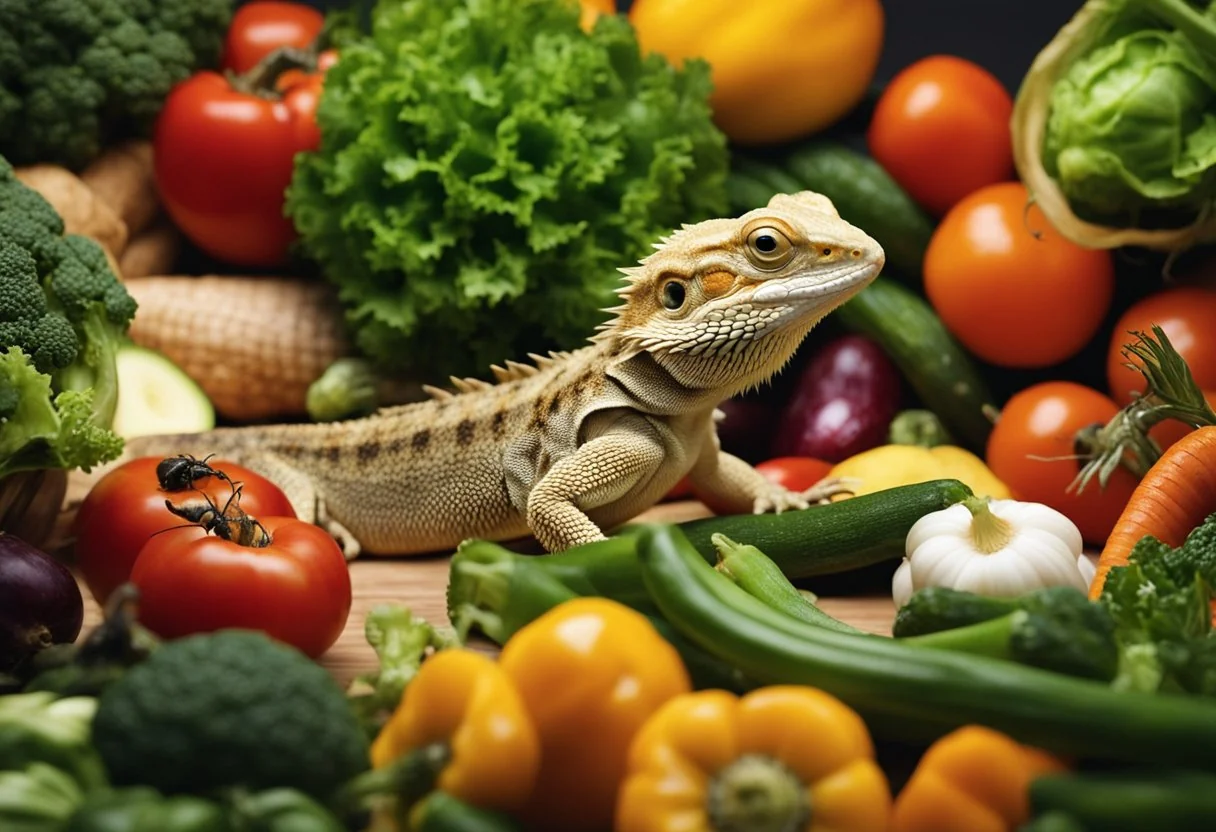
What to Feed Your Bearded Dragon
Providing a balanced and nutritious diet is fundamental to the health, vitality, and longevity of your bearded dragon. Their dietary requirements change as they grow, but the core principles remain the same. This guide provides comprehensive recommendations on the best foods, feeding practices, and crucial supplements to ensure your reptile thrives. It’s essential to understand that a bearded dragon’s diet isn’t just about filling its belly; it’s about providing the building blocks for energy, growth, and overall well-being. Ignoring this aspect of care can lead to serious health issues, making proper feeding a cornerstone of responsible pet ownership. We’ll delve into the specific food groups, portion sizes, and feeding frequencies needed for your dragon to flourish.
The Importance of a Balanced Diet
A balanced diet for a bearded dragon mirrors the principles of a healthy human diet, encompassing a variety of food groups to meet nutritional needs. This balance ensures that the dragon receives the correct proportions of protein, carbohydrates, fats, vitamins, and minerals. A diet deficient in essential nutrients can lead to metabolic bone disease, lethargy, and a weakened immune system. Conversely, an excess of certain nutrients can also be detrimental. Therefore, it’s crucial to offer a variety of foods and monitor your dragon’s weight and overall condition to adjust its diet as needed. Regularly assessing your dragon’s droppings can also provide insights into its digestive health and the effectiveness of its diet.
Protein Powerhouse Insects
Insects form a vital part of a bearded dragon’s diet, especially when they are juveniles, as protein is crucial for their rapid growth. As they mature, the proportion of insects in their diet decreases, but they still remain an important component. The type of insect you choose matters. Consider the nutritional value, size, and ease of digestion. Always ensure insects are gut-loaded, which involves feeding the insects a nutritious diet before offering them to your dragon, maximizing the nutritional benefits.
Crickets as a Primary Food Source
Crickets are a common and relatively inexpensive insect option. They are readily available in most pet stores and are generally accepted by bearded dragons. Before feeding, ensure the crickets are properly gut-loaded with nutritious foods like vegetables, fruits, and commercial cricket food. This increases their nutritional value and benefits your dragon. The size of the crickets should correspond with your dragon’s size. For example, juveniles need smaller crickets, while adults can handle larger ones. It is essential to monitor your bearded dragon for any signs of digestive upset or insect allergies.
Nutritional Value of Mealworms
Mealworms are another insect option, though they are less nutritious than crickets and should be given in moderation. Mealworms have a higher fat content, which can contribute to weight gain if overfed. Therefore, they are best used as occasional treats or supplemental food, rather than the primary insect source. Always buy mealworms from a reputable source, and ensure they are fresh and properly stored. Offer a variety of insects for a more balanced nutritional profile.


The Role of Dubia Roaches
Dubia roaches are often considered one of the best insect choices for bearded dragons. They have an excellent nutritional profile, high in protein and low in fat. They are also easier to breed and maintain than crickets, making them a convenient option. Dubia roaches are relatively easy to digest and are less likely to escape. Their consistent nutritional content makes it easier to provide a balanced diet for your bearded dragon. Before feeding them to your dragon, ensure the roaches are gut-loaded for optimal nutritional value.

Vegetables for a Healthy Bearded Dragon
Vegetables provide essential vitamins, minerals, and fiber, crucial for digestive health and overall well-being. Offer a variety of fresh, chopped vegetables daily, along with insects. The amount of vegetables should increase as your dragon matures. While young dragons need more protein, adults benefit from a greater proportion of vegetables in their diet. Always wash vegetables thoroughly to remove any pesticides or chemicals that could harm your pet. Introduce new vegetables gradually to monitor your dragon’s reaction and tolerance.
Best Leafy Greens for Bearded Dragons
Leafy greens form the base of a healthy vegetable diet for bearded dragons. The best options include collard greens, mustard greens, turnip greens, and dandelion greens. These greens are rich in calcium and other essential nutrients. Avoid iceberg lettuce, as it offers minimal nutritional value. Romaine lettuce is acceptable in moderation, but it should not be the primary leafy green. Always ensure the greens are fresh and of high quality, as wilted or old greens may have reduced nutritional value.
Colorful Vegetables and Their Benefits
Incorporate colorful vegetables to provide a variety of vitamins and antioxidants. These can include bell peppers, squash, and carrots. Carrots are high in vitamin A, which is beneficial for vision and skin health, while bell peppers offer vitamin C. Squash provides essential minerals. These vegetables should be offered in small, chopped pieces to prevent choking hazards. Remember, variety is key to ensuring your bearded dragon receives a broad spectrum of nutrients. Avoid vegetables high in oxalates in excess.
Fruits in Moderation for Bearded Dragons
Fruits can be offered as occasional treats, but should only constitute a small part of the overall diet due to their high sugar content. Good options include berries, melon, and apples. They provide essential vitamins and antioxidants. Always remove any seeds, as they can be a choking hazard. Moderation is key to prevent digestive issues and weight gain. Overfeeding fruits can also lead to dental problems. Monitor your dragon’s weight and adjust fruit intake accordingly. Never offer citrus fruits.

Why Hydration Matters for Your Dragon
Proper hydration is critical for all aspects of a bearded dragon’s health, including digestion, shedding, and overall vitality. Dehydration can lead to serious health problems, including kidney failure. While they obtain some water from their food, it’s essential to provide a fresh water source at all times. Regular misting of the enclosure can also help maintain humidity levels and encourage drinking. A properly hydrated dragon is more energetic, has better skin health, and is generally healthier.
Water Sources for Bearded Dragons
Provide a shallow water dish in your dragon’s enclosure that is easily accessible and stable. Change the water daily to keep it fresh and prevent bacterial growth. Avoid using deep water dishes where the dragon could accidentally drown. Place the water dish away from the basking spot to prevent rapid evaporation. Consider using a water fountain or dripper, as the movement can stimulate drinking behavior. Always monitor the water dish and observe your dragon’s drinking habits.
Supplements for Bearded Dragon Health
Supplements play a crucial role in ensuring your bearded dragon receives all the necessary nutrients, especially in captivity where their diet may not always provide everything they need. The two most critical supplements are calcium and vitamin D3, which are essential for bone health and the absorption of calcium. Consult with a veterinarian or reptile expert for specific recommendations. Proper supplementation, combined with a balanced diet, ensures your dragon has a long and healthy life.
Essential Vitamins and Minerals
Bearded dragons require a variety of vitamins and minerals for optimal health. Vitamin A, vitamin C, and B vitamins are essential for immune function, growth, and metabolism. Minerals such as phosphorus and magnesium are crucial for various physiological processes. Ensure that the vegetables and insects you provide are gut-loaded with appropriate supplements. Monitoring your dragon’s overall health, including its droppings and shedding process, helps determine if the diet needs adjustments.
Calcium and Vitamin D3 Supplements
Calcium and vitamin D3 are the most important supplements for bearded dragons, particularly those kept indoors. Vitamin D3 aids calcium absorption, which is vital for bone health. Without adequate calcium and vitamin D3, bearded dragons can develop metabolic bone disease, a potentially fatal condition. Dust insects and vegetables with calcium and vitamin D3 supplements, following the dosage instructions on the product. You can also provide a calcium supplement inside the enclosure that your dragon can lick as needed.
How Much to Feed Your Bearded Dragon

The amount of food your bearded dragon needs varies depending on its age. Overfeeding can lead to obesity, while underfeeding can result in stunted growth and nutritional deficiencies. Always monitor your dragon’s body condition and adjust the amount of food accordingly. A healthy bearded dragon will have a slightly rounded stomach, but not be excessively fat. Regularly weigh your dragon to monitor changes in its weight and ensure it is growing appropriately.
Feeding Frequency by Age
Juvenile bearded dragons (under 6 months) require more frequent feeding, typically 2-3 times per day, with a diet consisting primarily of insects. Offer as many insects as the dragon can eat in a 10-15 minute feeding session. Sub-adults (6-12 months) can be fed once or twice per day, with a gradually increasing proportion of vegetables. Adult bearded dragons (over 12 months) should be fed once per day or every other day, with a diet consisting primarily of vegetables and a smaller portion of insects. Adjust the frequency based on your dragon’s condition.

Portion Sizes and Adjustments
The portion sizes should be adjusted based on your bearded dragon’s age, size, and activity level. Observe how much your dragon eats and make adjustments to prevent over or underfeeding. Regularly check for uneaten insects, which can stress the dragon and cause problems. If your dragon is losing weight or appearing lethargic, consult a veterinarian. Always ensure fresh food is available and remove any uneaten food after a reasonable time to maintain hygiene. It is also important to provide variety in the diet so the dragon is getting a wide range of nutrients.
Common Dietary Mistakes to Avoid
Avoiding common dietary mistakes can greatly improve the health of your bearded dragon. These mistakes often lead to nutritional deficiencies and health problems. Education and careful observation are critical to provide your dragon with a healthy diet. Being mindful of the dangers and implementing preventative measures can ensure your pet lives a long and thriving life.

Overfeeding Concerns
Overfeeding is a common mistake, especially with young dragons. It can lead to obesity, which stresses the dragon’s internal organs and reduces its lifespan. Monitor your dragon’s weight and body condition regularly. If your dragon is overweight, reduce the amount of food, particularly insects. Always ensure a healthy balance between insects and vegetables. Avoid excessive treats and snacks. Regular exercise can help keep the dragon active.
Foods to Avoid for Bearded Dragons
Certain foods are harmful and should never be given to a bearded dragon. Avoid feeding your dragon citrus fruits, avocados, spinach (in excess), rhubarb, and fireflies. These foods contain substances that can be toxic or interfere with nutrient absorption. Always research any new food before offering it to your dragon. Ensure that you are buying quality products from a trusted source. Cleanliness and proper storage are important to avoid contaminating food and, ultimately, hurting your dragon.