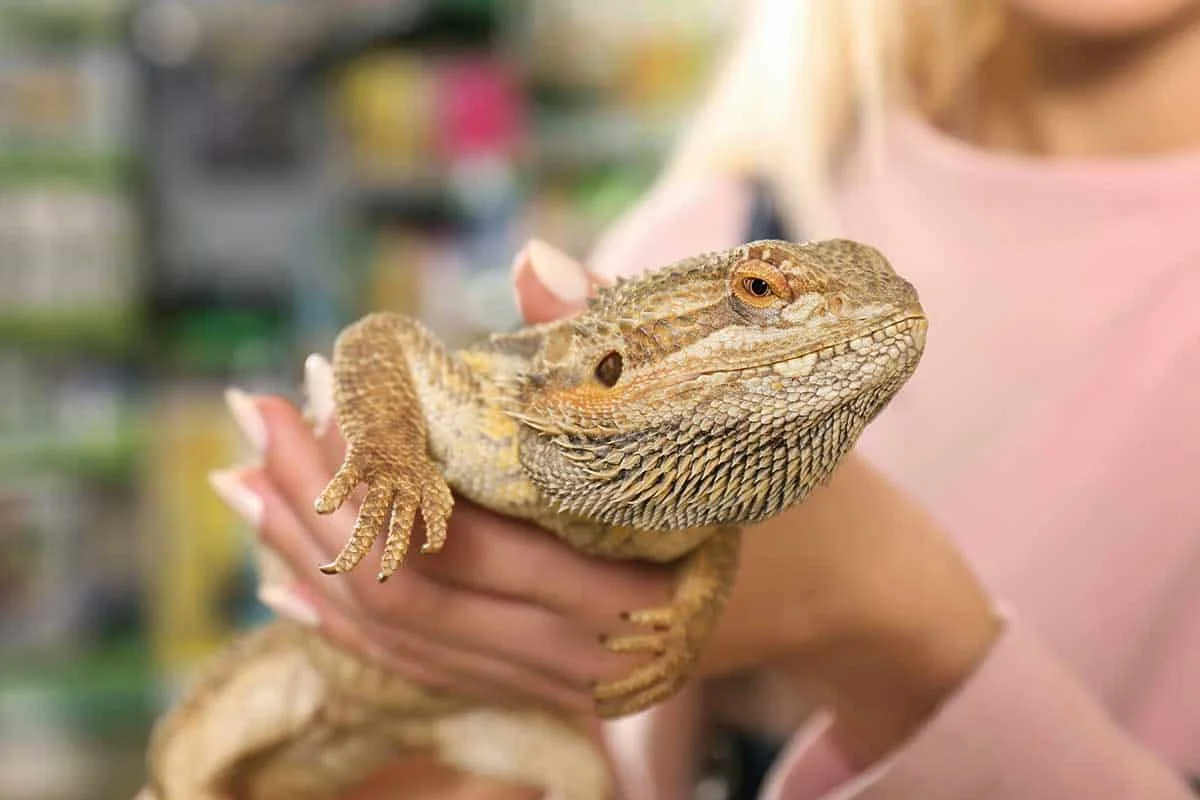
Bearded Dragon Care Top 5 Tips for Beginners
Bringing a bearded dragon into your home can be an incredibly rewarding experience. These fascinating reptiles are known for their docile nature and unique personalities. However, to ensure your new pet thrives, it’s essential to understand the fundamental aspects of bearded dragon care. This guide provides the top 5 essential tips for beginners, covering habitat setup, lighting, feeding, health, and handling. By following these guidelines, you can create a healthy and happy environment for your bearded dragon, allowing you to enjoy years of companionship with your scaly friend. Remember, proper care is crucial for their well-being.
Tip 1 Provide the Right Habitat
The habitat is the foundation of your bearded dragon’s well-being. It’s where they spend the majority of their time, so it needs to be comfortable, safe, and stimulating. An inadequately set-up enclosure can lead to stress, illness, and a shortened lifespan. The ideal habitat mimics their natural environment in the wild, providing essential elements for survival. Creating a proper enclosure is not just about the size; it is about providing the perfect temperature gradient, humidity levels, and enrichment to stimulate their natural behaviors. This is where they eat, sleep, bask, and explore. So, let’s dive into setting up the best possible home for your bearded dragon.
Choosing the Right Tank Size
Tank size is one of the most important factors in setting up a proper habitat. A baby bearded dragon can start in a 20-gallon long tank, but they grow quickly. For an adult bearded dragon, a minimum of a 40-gallon breeder tank (36x18x18 inches) is recommended. However, a larger enclosure is always better. A 75-gallon or even a 120-gallon tank provides more space for basking, exploration, and enrichment, which promotes a healthier and happier dragon. Adequate space reduces stress, allows for proper thermoregulation, and provides room for the necessary accessories like basking rocks, hides, and branches. Consider the adult size of your bearded dragon when choosing the initial enclosure to avoid having to upgrade too soon.
Substrate Selection
The substrate is the material that lines the bottom of your bearded dragon’s enclosure. The best substrate options prioritize safety, hygiene, and natural behavior. Avoid loose substrates like sand, especially for young dragons, as they can accidentally ingest it, leading to impaction, which can be fatal. Safe options include reptile carpet, paper towels, ceramic tile, or a bioactive substrate mix. Reptile carpet is easy to clean, while paper towels offer a quick and disposable solution. Ceramic tile provides a natural look and is easy to sanitize. A bioactive substrate, which includes a mix of soil, moss, and beneficial organisms, mimics a natural environment and helps with waste decomposition, but requires more maintenance and expertise.

Temperature and Humidity Control
Bearded dragons are ectothermic, meaning they rely on external sources to regulate their body temperature. Creating a proper temperature gradient is vital for their health. The basking spot should be around 100-110°F (37-43°C), while the cooler end of the tank should be around 75-85°F (24-29°C). Use a thermometer to monitor the temperatures accurately. At night, the temperature can drop to around 65-75°F (18-24°C). Humidity levels should ideally be between 30-40%. Misting the enclosure occasionally or placing a shallow water dish can help maintain the correct humidity levels. A hygrometer is useful for monitoring humidity. Ensure proper ventilation to prevent excessive humidity, which can lead to respiratory infections.
Tip 2 Proper Lighting is Crucial
Lighting is another fundamental aspect of bearded dragon care, essential for their health and well-being. They require both UVB and UVA light to thrive. UVB light aids in the synthesis of vitamin D3, which is crucial for calcium absorption and bone health. UVA light promotes natural behaviors, such as feeding and mating. Without proper lighting, bearded dragons can develop metabolic bone disease, a serious and often fatal condition. Choosing the right lighting and proper placement of the lighting is essential.

UVB Lighting Essentials
UVB bulbs come in various types, including fluorescent tube bulbs and compact fluorescent bulbs. When selecting a UVB bulb, consider the strength of the bulb, which is typically indicated by its percentage output (e.g., 5.0, 10.0, or 12.0). For bearded dragons, a UVB output of 10.0 is generally recommended. Place the UVB bulb appropriately, ensuring the dragon can bask within a distance recommended by the bulb’s manufacturer (usually 6-12 inches). Replace UVB bulbs every 6-12 months, as their UVB output decreases over time, even if the bulb still produces visible light. Always check the manufacturer’s recommendations for specific placement and replacement schedules. Avoid using UVB bulbs that pass through glass or plastic, as these materials can filter out the UVB rays.
Heat Lamps and Temperature Gradients


In addition to UVB, a heat lamp is necessary to create a basking spot, allowing the bearded dragon to thermoregulate. Choose a heat lamp appropriate for the size of your enclosure and the ambient temperature of your home. Use a ceramic heat emitter (CHE) or a basking bulb, which provides heat without emitting light during the night. Position the heat lamp over a basking spot, such as a rock or a branch, and ensure the temperature reaches the recommended range (100-110°F or 37-43°C). Always use a thermostat to regulate the temperature and prevent overheating. Monitor the temperature regularly with a thermometer to maintain the ideal temperature gradient throughout the enclosure.
Tip 3 Feeding Your Bearded Dragon

Proper nutrition is vital for a healthy and long-lived bearded dragon. Their diet should consist of a balanced mix of insects, vegetables, and fruits. Providing a varied and nutritious diet ensures they receive the vitamins, minerals, and nutrients necessary for their growth and development. It is important to understand what foods are best and what to avoid. The feeding schedule and portion sizes will also depend on the dragon’s age and size.
What to Feed Bearded Dragons
The diet of a bearded dragon should be tailored to their age. Young dragons require a higher proportion of insects, while adults can have a greater portion of vegetables. Insects should make up about 80% of a juvenile dragon’s diet, with the remaining 20% being vegetables and a small amount of fruit. Common insects include crickets, Dubia roaches, and mealworms. Make sure the insects are gut-loaded (fed nutritious food) before feeding them to your dragon. As they mature, the ratio shifts to about 80% vegetables and 20% insects. Vegetables such as collard greens, mustard greens, and squash are excellent choices. Fruits like berries can be offered in moderation as treats. Avoid feeding iceberg lettuce, which has little nutritional value.
Feeding Frequency and Portion Sizes
The frequency and amount of food depend on the dragon’s age. Juvenile dragons need to be fed multiple times a day, while adults can be fed once daily or every other day. Young dragons should be offered as many insects as they can eat in about 10-15 minutes, 2-3 times per day. For adults, offer a bowl of vegetables daily and insects a few times per week. The portion size of insects should be about the size of their head. Always ensure fresh water is available in a shallow dish. Supplement the diet with calcium and vitamin D3, especially for young dragons, to prevent metabolic bone disease. Dust insects with a calcium and vitamin D3 supplement before feeding.
Tip 4 Health and Hygiene
Maintaining a healthy environment is vital for your bearded dragon’s well-being. Regular health checks and proper hygiene practices can prevent illness and promote a long life. Regular observation for signs of illness, along with cleaning the enclosure, will help to keep your pet in good health. You should learn how to notice any unusual changes in your pet.
Common Health Issues and Prevention
Bearded dragons are susceptible to certain health issues. Metabolic Bone Disease (MBD) is a common ailment caused by a deficiency in calcium or vitamin D3, or improper UVB lighting. Symptoms include lethargy, swollen limbs, and bone deformities. Respiratory infections can occur due to improper temperature or humidity. Parasites are another concern, so regular fecal examinations by a veterinarian are recommended. To prevent these issues, maintain proper lighting, temperature, and humidity levels. Provide a balanced diet, dust insects with calcium and vitamin D3 supplements, and ensure the enclosure is clean. Always observe your dragon for any signs of illness, such as loss of appetite, lethargy, or unusual behavior. Early detection and treatment are crucial for a positive outcome.


Cleaning Your Bearded Dragon’s Enclosure
Regular cleaning is essential for maintaining a hygienic environment. Spot clean the enclosure daily, removing feces and any uneaten food. Clean the water and food dishes daily. Perform a thorough cleaning of the enclosure at least once a month. Remove everything from the tank and wash it with warm water and reptile-safe disinfectant. Rinse thoroughly to remove any residue. Replace the substrate completely during each deep cleaning. This will eliminate bacteria and parasites, which helps to keep your dragon healthy. Ensure the enclosure is completely dry before replacing the substrate and putting the accessories back in.
Tip 5 Handling and Socialization
Bearded dragons are generally docile and can be socialized with their owners. Gentle and consistent handling builds trust and allows the dragon to become accustomed to human interaction. This promotes their well-being and strengthens the bond between you and your pet. It is important to remember that each dragon has its own personality, so be patient and attentive to your pet’s cues.
How to Handle Your Bearded Dragon
Approach your bearded dragon slowly and gently. Place your hand in front of them and allow them to crawl onto your hand. Support their body with both hands, especially when they are young. Avoid picking them up from above, which can be perceived as a threat. Start with short handling sessions and gradually increase the duration as they become more comfortable. Always wash your hands before and after handling your bearded dragon. Avoid handling them immediately after feeding, as this can lead to regurgitation. Pay attention to their body language. If they puff up their beard, gape their mouth, or hiss, they are stressed and need to be left alone.
Socialization and Interaction
Socializing with your bearded dragon enriches their lives and can improve their well-being. Provide opportunities for them to explore outside of their enclosure, under supervision, in a safe and secure environment. Spend time with them daily, talking to them and observing their behavior. Some dragons enjoy being stroked gently on their head or chin, while others may prefer to be left alone. Always respect your dragon’s preferences and adapt your handling accordingly. Socialization is not only fun for your pet, but it also creates a stronger bond between you.
By following these 5 tips, you can provide excellent care for your bearded dragon. Remember, each dragon is an individual, so observe their behavior and adjust your care as needed. Enjoy the wonderful experience of owning one of these unique and captivating reptiles!