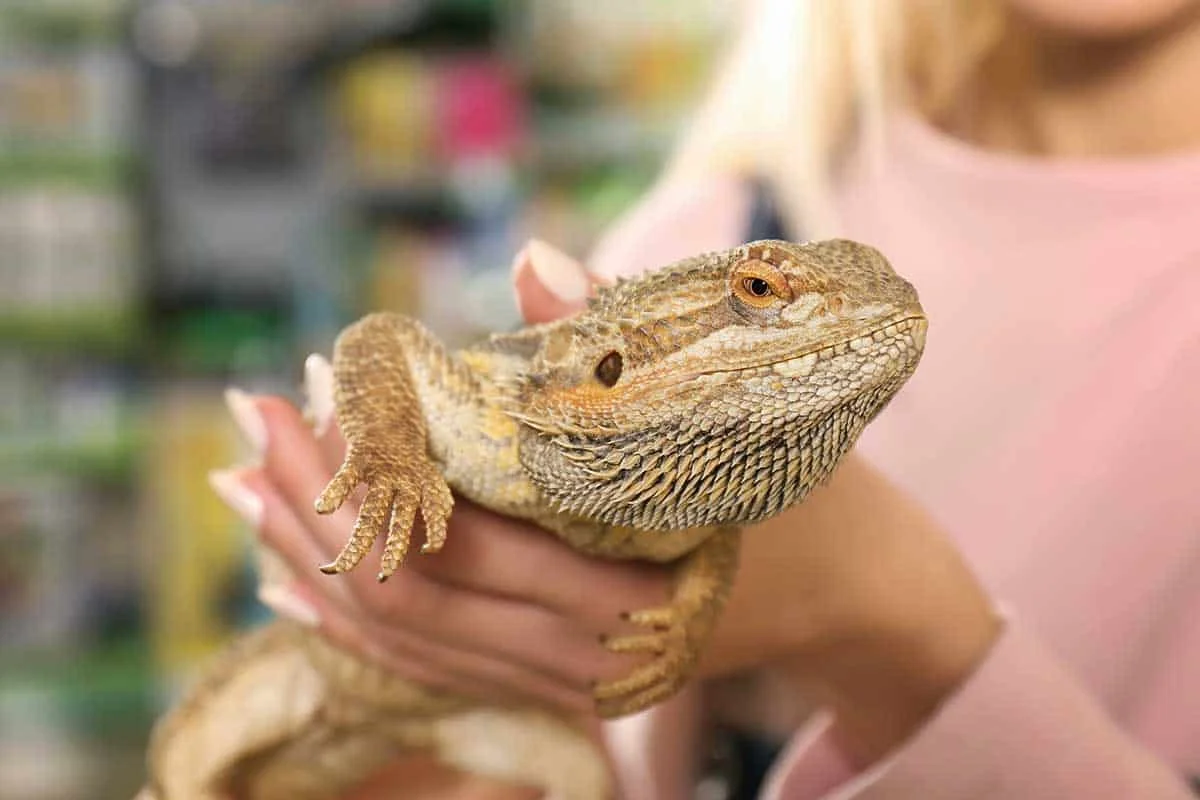
Understanding Bearded Dragon Health
Bearded dragons, with their distinctive beard and gentle demeanor, make captivating pets. However, like all animals, they are susceptible to various health issues. Understanding the common illnesses that can affect your bearded dragon is the first step in ensuring their well-being. This involves recognizing potential threats and proactively implementing care strategies that minimize health risks. A healthy bearded dragon is an active and vibrant one, and recognizing the factors that impact their health is essential for responsible pet ownership. This includes knowing about their ideal environment, the correct diet, and what to look for to identify a problem.
Common Illnesses in Bearded Dragons
Several illnesses commonly affect bearded dragons, and awareness of these is key to early detection and treatment. These can range from respiratory infections to parasitic infections. Early detection of illnesses is a critical component of successful treatment and is best achieved through responsible and vigilant pet ownership. Familiarizing yourself with these common threats ensures you can recognize the symptoms, seek prompt veterinary care, and keep your pet healthy and happy. Knowing the warning signs and understanding the potential causes is the first line of defense against health issues.
Respiratory Infections
Respiratory infections in bearded dragons can stem from improper habitat conditions, such as inadequate temperature or humidity, and can be extremely dangerous. Symptoms often include labored breathing, wheezing, and nasal discharge. Providing a proper environment is the main thing to do in preventing this infection. This ensures their lungs stay healthy and free from infections. Respiratory infections need immediate veterinary attention.
Parasitic Infections
Parasitic infections, caused by internal or external parasites, can weaken your bearded dragon. Internal parasites such as worms can cause weight loss and digestive issues. External parasites like mites can cause skin irritation. Regular fecal exams and veterinary check-ups help identify and treat parasitic infections, thus protecting your bearded dragon’s health. Prevention, good hygiene, and regular veterinary check-ups are crucial to managing and eliminating parasites.
Metabolic Bone Disease
Metabolic Bone Disease (MBD) is a common and serious condition often caused by a lack of calcium, vitamin D3, or improper UVB lighting. This disease can lead to bone deformities and lethargy. To prevent MBD, ensure your bearded dragon receives a balanced diet supplemented with calcium and vitamin D3, and has access to proper UVB lighting. The key to preventing MBD is to follow care guidelines carefully. Regular vet check-ups are also essential to catching any problems before they become dangerous.
Top 5 Illness Prevention Tips
Taking proactive steps to prevent illnesses is the best way to keep your bearded dragon healthy and thriving. The following tips will give you a solid foundation to maintain your pet’s health. Implementing these practices into your care routine will significantly reduce the risk of common illnesses and improve your bearded dragon’s quality of life. By focusing on these critical care components, you can create a healthy and happy environment for your pet.
Provide a Proper Habitat
Creating an optimal habitat is fundamental to your bearded dragon’s health. This encompasses the right temperature, humidity, and lighting conditions. A well-designed habitat supports your dragon’s physical and psychological well-being, minimizing stress and reducing the risk of illness. The right environment is more than just a place to live; it’s an essential part of your bearded dragon’s daily needs. A proper habitat provides a safe space, promotes their health, and allows them to behave naturally, leading to a happier and more contented dragon.

Temperature and Humidity

Maintaining the correct temperature gradient and humidity levels is critical. Bearded dragons need a basking spot, a warm side, and a cooler side in their enclosure. The correct humidity is typically between 30-40%. Use a thermometer and hygrometer to monitor these conditions. Temperature is extremely important, as it directly affects a bearded dragon’s metabolism, digestion, and immune system. Humidity is also an important factor. If it’s too high, it could result in respiratory infections. Regular monitoring of temperature and humidity ensures that your bearded dragon’s habitat is healthy and safe.
UVB Lighting
UVB lighting is essential for vitamin D3 synthesis, which aids in calcium absorption. Without sufficient UVB exposure, bearded dragons can develop Metabolic Bone Disease (MBD). Invest in a high-quality UVB bulb designed for reptiles, and replace it as recommended by the manufacturer, as their effectiveness diminishes over time. Positioning the UVB light correctly allows your dragon to fully benefit from the UV rays. Without this important component, your bearded dragon cannot properly use the nutrients in their food. This lighting also ensures they can create the vitamins needed for strong bones and general well-being.
Maintain a Clean Environment
A clean habitat is vital to prevent bacterial and parasitic infections. Regularly remove uneaten food, feces, and shed skin. Thoroughly clean and disinfect the enclosure at least once a month. A clean enclosure protects your dragon from illnesses and parasites, thus keeping them healthy and safe. This includes the substrate, decorations, and any items in the tank. Cleaning should be a regular part of your routine.
Regular Cleaning
Regular cleaning is essential to maintain a healthy environment. Spot clean the enclosure daily to remove waste and uneaten food. A deep clean should be performed at least once a month. Use reptile-safe disinfectants. Always be sure to rinse thoroughly and dry before returning your bearded dragon to its habitat. A clean enclosure is an important part of preventative care and helps reduce the chances of your bearded dragon getting sick.
Quarantine New Dragons
When you bring a new bearded dragon home, quarantine them for at least 30-60 days. This means keeping them separate from other reptiles. This prevents the spread of potential illnesses or parasites that the new dragon might have. The goal is to observe the new dragon for any signs of illness. This is a critical step in preventing the spread of disease. Quarantine, combined with a veterinary check-up, protects your existing pets and ensures the new dragon is healthy and can adjust safely to its new environment.

Feed a Balanced Diet
Nutrition plays a vital role in your bearded dragon’s overall health. A balanced diet of insects, leafy greens, and occasional fruits is essential. Providing a varied diet ensures your dragon receives all the necessary nutrients to support their immune system and overall well-being. The right nutrition prevents deficiencies, improves digestion, and ensures your bearded dragon stays happy and healthy. This combination promotes growth, energy, and a strong immune system. A balanced diet is the key to preventing nutritional deficiencies.
Nutrition

A balanced diet is crucial. Offer a mix of live insects (crickets, dubia roaches), leafy greens (collard greens, mustard greens), and small amounts of fruits. Avoid feeding excessive amounts of any single food item. Make sure the insects are gut-loaded before feeding, and dust insects with calcium and vitamin D3 supplements, especially for young dragons. Varying their food provides them with a range of nutrients and ensures they get everything needed for a long and healthy life. This prevents nutritional deficiencies and ensures they have the energy for all their activities.
Hydration

Always provide fresh, clean water in a shallow dish. Bearded dragons get some hydration from their food, but they still need access to water. Many dragons enjoy being misted, so you can offer water in this way too. Water is essential for regulating body temperature, supporting digestion, and ensuring your dragon’s organs function correctly. This helps your dragon maintain healthy hydration levels. Make sure fresh water is always available. A hydrated dragon is a healthy dragon.
Recognize Early Signs of Illness
Being able to recognize the early signs of illness allows you to seek prompt veterinary care, which can significantly improve your bearded dragon’s chances of a full recovery. Pay close attention to your dragon’s behavior and appearance. Subtle changes can often indicate a problem. Early intervention can make all the difference. This vigilance is key to providing the best care for your pet.
Changes in Appetite
A sudden decrease or complete loss of appetite can indicate illness. If your dragon is not eating, determine if there is an underlying issue. Assess other symptoms and consult with a vet. A change in appetite can be caused by different things. When your pet isn’t eating, it’s a sign that something is wrong. Knowing what to look for is critical to protecting your pet and keeping them healthy.
Lethargy
Lethargy, or a lack of energy and activity, can also signal a problem. If your bearded dragon is spending more time sleeping than usual or seems slow and unresponsive, it could indicate illness or discomfort. Lethargy could result from many underlying causes. Addressing the issue early gives your dragon a better chance for a healthy life. Observe your bearded dragon regularly.
Consult a Veterinarian Regularly
Regular veterinary check-ups are essential for preventative care. A reptile veterinarian can identify potential health issues. A reptile vet can recognize potential health issues before they become serious. Regular vet visits also provide an opportunity to ask questions. Having a vet you trust is essential for keeping your bearded dragon healthy and happy.

Preventative Checkups

Schedule annual check-ups with a reptile veterinarian. They can perform fecal exams to check for parasites, assess overall health, and catch any potential problems early on. Regular check-ups ensure that your dragon receives professional medical attention. They also can recommend specific care based on your bearded dragon’s needs. This is a crucial step in promoting the long-term health and well-being of your bearded dragon.