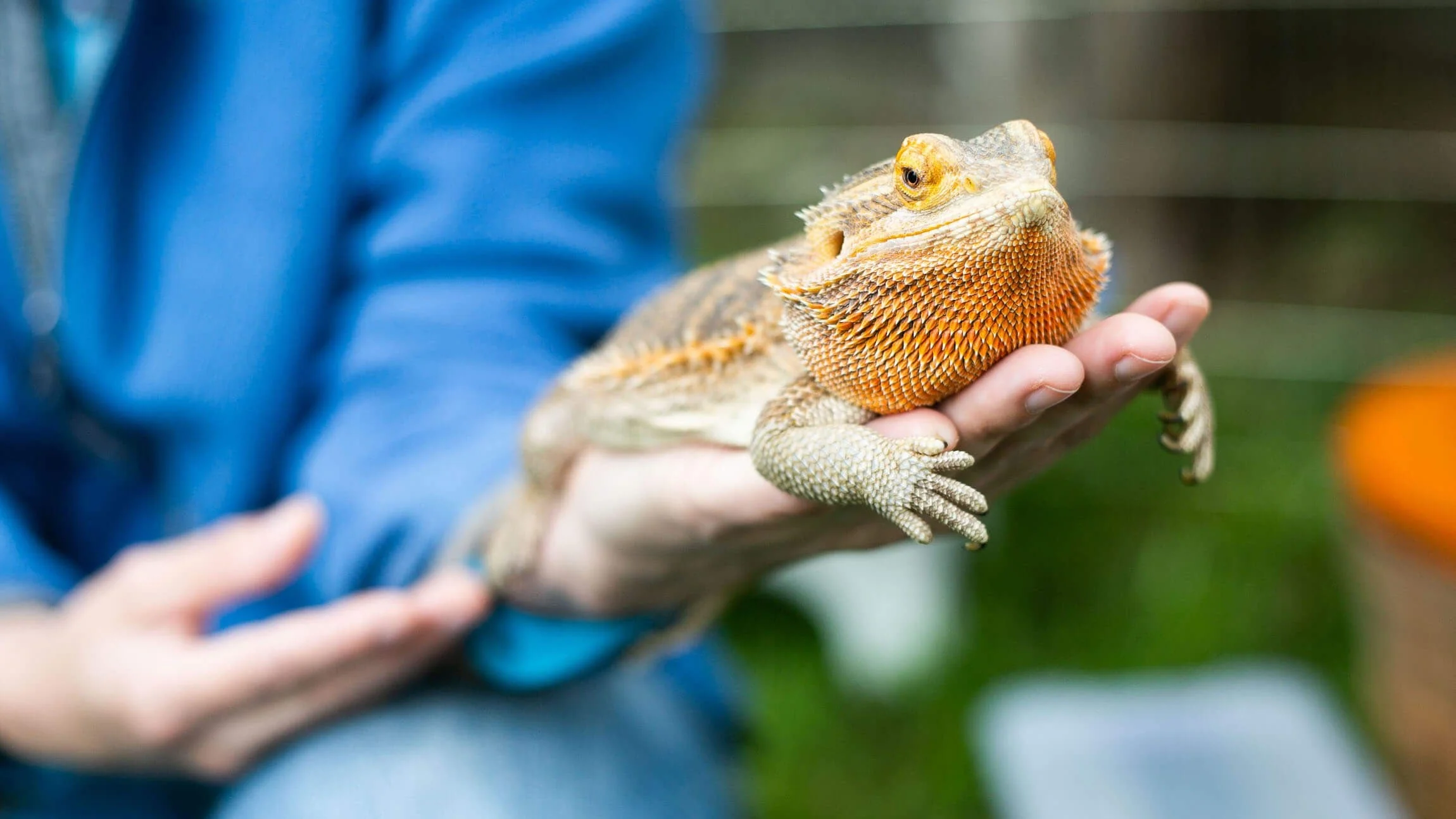
Top 5 Bearded Dragon Care Health Tips
Caring for a bearded dragon can be a rewarding experience, but it requires dedication and knowledge. These fascinating reptiles thrive when provided with the right environment, diet, and care. This guide will provide you with the top 5 health tips to ensure your bearded dragon lives a long, happy, and healthy life. From proper nutrition to a suitable habitat, we’ll cover the essentials to keep your scaly friend in top condition. Following these guidelines will not only enhance your bearded dragon’s well-being but also strengthen the bond you share.
Proper Diet
A balanced diet is fundamental to a bearded dragon’s health. They require a mix of live insects, vegetables, and occasional fruits. Insects should be the primary food source, especially for juveniles, providing essential protein for growth. A variety of vegetables, such as collard greens, mustard greens, and squash, should make up a significant portion of their diet, supplemented with small amounts of fruits like berries for added nutrients. Remember, variety is key to ensure your dragon receives a wide range of vitamins and minerals. Always research appropriate food options to avoid anything toxic.

Feeding Frequency and Portion Control
Feeding frequency depends on the age of your bearded dragon. Juveniles need to eat more frequently, typically 2-3 times a day, while adults can eat once a day or every other day. Portion control is also crucial to prevent overfeeding, which can lead to obesity and other health problems. Offer only the amount of food your dragon can consume within a reasonable time, usually 10-15 minutes. Remove any uneaten food to maintain a clean and healthy environment. Observe your dragon’s body condition, and adjust feeding amounts accordingly.
Nutritional Variety
Offer a diverse selection of insects and vegetables to provide a comprehensive range of nutrients. Avoid feeding the same foods daily. Rotate between different insects like crickets, dubia roaches, mealworms (in moderation), and waxworms (as treats). Similarly, switch up the vegetables, including leafy greens, and small amounts of other nutritious options. This variety ensures that your bearded dragon gets a balanced diet, preventing deficiencies and promoting optimal health. Providing nutritional variety is paramount to long-term health.

Hydration Importance
Fresh water is essential for your bearded dragon’s health. Always provide a shallow water dish in their enclosure and change the water daily. Bearded dragons primarily obtain hydration through their diet, so ensure they have access to water to supplement their intake, especially during warmer months or when their diet is drier. You can also mist their enclosure daily to encourage them to drink and maintain proper humidity levels. Dehydration can lead to serious health issues, so constant access to clean water is critical.
Optimal Habitat
Creating the right habitat is crucial for your bearded dragon’s well-being. Their enclosure should provide adequate space, appropriate temperature gradients, and proper lighting. The habitat should mimic their natural environment as closely as possible to allow them to thrive. This includes the right substrate, climbing structures, and hiding places. A well-designed habitat supports your dragon’s physical and psychological health, reducing stress and promoting healthy behaviors.
Temperature and Lighting
Bearded dragons are ectothermic, meaning they rely on external heat sources to regulate their body temperature. Provide a basking spot with a temperature of around 100-110°F (38-43°C) and a cooler area in the enclosure (around 75-85°F or 24-29°C). Use a UVB light source, as this is essential for synthesizing vitamin D3, which helps them absorb calcium for strong bones. Replace the UVB bulb every 6-12 months, as its effectiveness decreases over time. Monitoring temperatures with a thermometer is vital for ensuring the right environment.
Enclosure Size and Furnishings


The size of the enclosure should increase as your bearded dragon grows. A juvenile can start in a 40-gallon tank, but adults need at least a 75-gallon or larger enclosure. Provide a variety of furnishings, including branches for climbing, rocks for basking, and hiding spots. A secure and stimulating environment helps reduce stress and encourages natural behaviors. The substrate, such as reptile carpet, paper towels, or a bioactive substrate, should be safe and easy to clean. Avoid loose substrates that can be ingested, such as sand, which can cause impaction.
Regular Cleaning and Maintenance
Maintaining a clean habitat is essential to prevent bacterial growth and other health issues. Spot clean the enclosure daily, removing any uneaten food and fecal matter. Perform a thorough cleaning of the entire enclosure at least once a month, replacing the substrate and disinfecting the surfaces with a reptile-safe cleaner. Regularly change the water in the water dish and mist the enclosure. A clean environment keeps your bearded dragon healthy and reduces the risk of illness.
Consistent Monitoring and Observation

Regularly observing your bearded dragon is crucial for identifying potential health problems early. Watch for any changes in behavior, appetite, or appearance. Early detection of illness can significantly improve the chances of successful treatment. This includes watching their feces, making sure it is solid and of normal color. This includes their overall activity levels and signs of lethargy. A keen eye can help you catch any health issues early, and seek professional help promptly.

Recognizing Signs of Illness
Learn to recognize the signs of illness in bearded dragons. Common symptoms include loss of appetite, lethargy, unusual droppings, swelling, labored breathing, and changes in skin color or texture. Other signs are weight loss, and changes in eye appearance. If you notice any of these signs, consult a veterinarian experienced in reptile care immediately. Early intervention can make a significant difference in your dragon’s recovery and longevity. Prompt action is important for their well-being.
Preventative Vet Care
Regular veterinary checkups are essential for maintaining your bearded dragon’s health. Take your bearded dragon to a qualified reptile veterinarian for annual checkups. These checkups can include fecal exams to check for parasites, and other tests as needed. This is an important step in preventing many potential health issues. A veterinarian can also provide guidance on proper care and diet, ensuring your dragon receives the best possible care throughout its life. Make sure you have found a reptile veterinarian before you get your bearded dragon.
Handling and Socialization
Handling and socializing your bearded dragon is important for their mental and physical well-being. Handling them regularly helps them become accustomed to human interaction, reducing stress and building a bond. Socialization can also provide enrichment and prevent boredom. Proper handling techniques are crucial to avoid injury and stress. Introducing your dragon to new experiences can also contribute to their well-being and happiness.
Safe Handling Practices
Always support your bearded dragon’s body when handling them. Gently scoop them up from underneath, supporting their body and limbs. Avoid grabbing their tail, as it can be dropped as a defense mechanism. Handle them in a safe environment, away from heights and hazards. Wash your hands thoroughly before and after handling to prevent the spread of bacteria. Be patient and gentle, and gradually increase the handling time as your dragon becomes more comfortable. This will help them feel safe and secure.
Benefits of Social Interaction
While bearded dragons are solitary creatures, controlled social interaction can be beneficial. Supervised interaction with other bearded dragons can provide enrichment, although it’s important to consider the risks of dominance and competition. Introduce new experiences, such as supervised time outside their enclosure or safe exploration of a room. Handling your dragon regularly and allowing them to explore their surroundings helps them become more confident and reduces stress. Always supervise interactions to ensure the safety of your dragon.
In conclusion, by following these top 5 health tips, you can significantly improve your bearded dragon’s quality of life. Proper diet, a suitable habitat, consistent monitoring, and safe handling are fundamental to ensuring your scaly companion thrives. Remember, a healthy bearded dragon is a happy bearded dragon, and the care you provide is a testament to the bond you share. With dedication and proper care, your bearded dragon can live a long and fulfilling life.