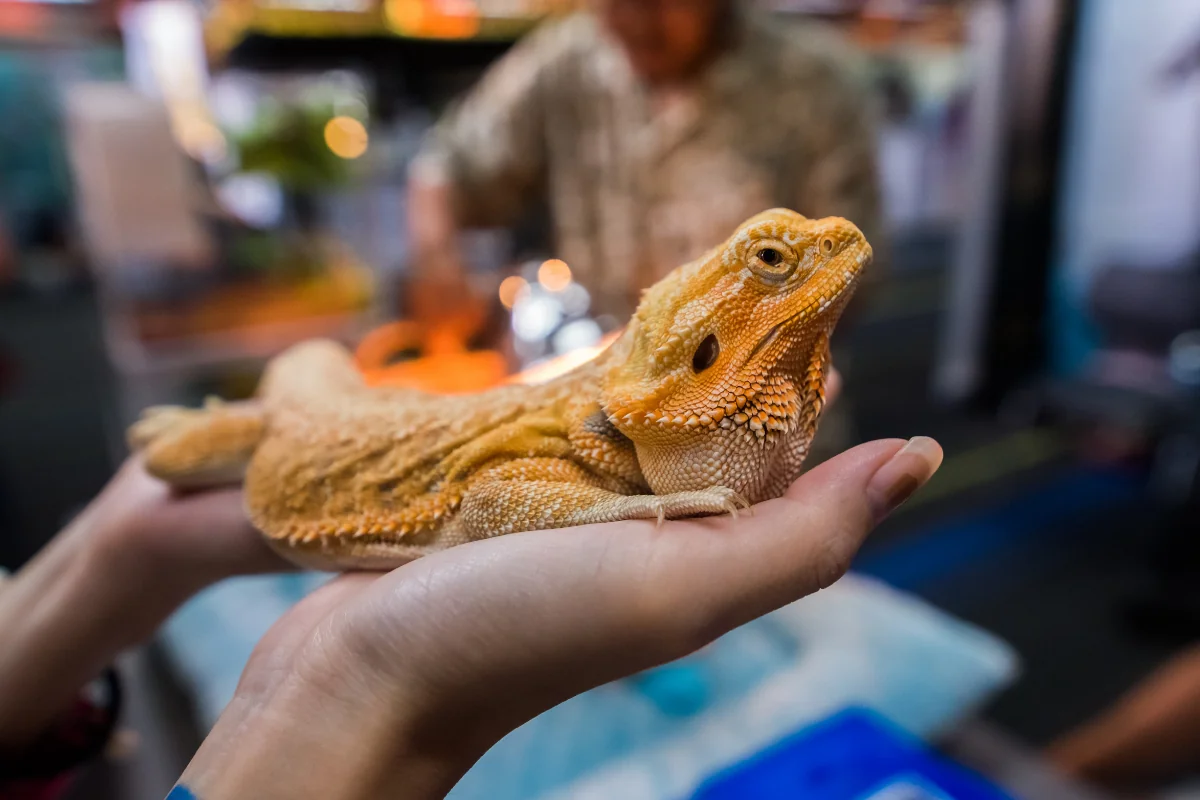
Essential Bearded Dragon Habitat Setup
Creating a thriving environment for your bearded dragon is crucial for its health and happiness. This section focuses on the specifics experienced reptile keepers need to know, going beyond the basics to optimize your dragon’s habitat. Proper setup addresses thermoregulation, lighting, and space requirements, all of which are fundamental to a healthy bearded dragon. For experienced keepers, it is crucial to refine these aspects for optimal well-being. Let’s delve into the nuances of habitat design to ensure your dragon thrives.
Choosing the Right Tank Size
Tank size is not just about space; it’s about providing a comfortable and enriching environment. For adult bearded dragons, a minimum of a 4x2x2 foot enclosure is highly recommended. Larger tanks, however, are often preferable, offering more room for temperature gradients, enrichment, and overall movement. The key is to ensure your dragon has adequate space to explore, bask, and retreat. Considering your dragon’s size and activity level is essential in selecting the perfect enclosure for optimal well-being.
Glass vs. Screen Cages
Both glass and screen cages have their pros and cons. Glass cages retain heat and humidity well, which is beneficial in drier climates. However, they may require more ventilation to prevent stagnant air. Screen cages, on the other hand, provide excellent ventilation, reducing the risk of respiratory infections. However, they can be more challenging to maintain temperature and humidity levels, particularly in colder environments. Your choice should be based on your climate and the needs of your specific dragon, considering the ease of temperature and humidity regulation.
Optimizing Temperature and Humidity
Maintaining the correct temperature and humidity is vital for your bearded dragon’s health and digestion. Incorrect levels can lead to a variety of health issues. Focusing on the details of creating the perfect environment allows you to control the health of your dragon in every aspect. Experienced keepers understand the importance of monitoring these factors daily and adjusting the setup accordingly.
Ideal Temperature Gradient
A proper temperature gradient is essential for thermoregulation. The basking spot should be around 100-110°F (37-43°C), with a cooler side of the enclosure around 75-85°F (24-29°C). This allows your dragon to regulate its body temperature by moving between warm and cool areas. Using a digital thermometer with a probe to measure the basking spot temperature is highly recommended for accuracy. Understanding how to maintain a proper gradient is a sign of an experienced keeper.
Maintaining Proper Humidity Levels

Humidity levels should ideally be between 30-40%. In drier climates, you may need to mist the enclosure or use a humidifier to achieve this. Regular monitoring with a hygrometer is crucial. Excessive humidity can lead to respiratory infections, while insufficient humidity can cause shedding problems. Proper humidity control is a crucial factor in the health of your dragon.
Advanced Lighting Requirements
Beyond temperature and humidity, lighting plays a critical role in your bearded dragon’s well-being. UVB and UVA rays are essential for vitamin D3 synthesis, calcium absorption, and overall health. Understanding these elements helps you take your bearded dragon care to the next level and ensure your dragon gets the correct light exposure for optimal health.
UVB and UVA Lighting Explained
UVB is crucial for calcium absorption, while UVA helps stimulate natural behaviors. Choose a UVB bulb that emits the appropriate spectrum for reptiles, typically a T5 or T8 fluorescent bulb. UVA promotes activity, appetite, and natural behaviors. Ensure your bulb provides adequate UVB levels for your dragon, based on the distance from the basking spot.
Best Lighting Fixtures for Dragons
The type of fixture you choose depends on the bulb type and the enclosure’s dimensions. T5 bulbs are generally preferred because they offer higher UVB output and a wider coverage area. Ensure the fixture is placed appropriately, following the manufacturer’s recommendations for distance from the basking spot. Regular replacement of UVB bulbs, typically every 6-12 months, is essential to maintain effectiveness. Lighting considerations often separate novice keepers from experts.
Optimal Diet and Feeding Strategies
Nutrition is paramount to a bearded dragon’s health, with an optimized diet being crucial for their development. Understanding the intricacies of nutrition and how to provide the best possible meals for your dragon shows your commitment to top-level care. From live insects to calcium-rich greens, the right food choices contribute to longevity and overall well-being.
Variety in the Bearded Dragon Diet
A varied diet is key. Adult bearded dragons should receive approximately 80% vegetables and greens and 20% insects. Offer a mix of leafy greens, such as collard greens, mustard greens, and dandelion greens. Avoid iceberg lettuce, as it has little nutritional value. A diverse diet ensures your dragon gets a wide range of vitamins and minerals.
Live Insects and Their Nutritional Value
Live insects are a crucial source of protein. Crickets, dubia roaches, and mealworms are popular choices. Always dust insects with calcium and vitamin D3 supplements before feeding. The nutritional value of insects varies, so it’s important to research and choose options that provide the most balanced nutrition. Feeding insects that are gut-loaded (fed nutritious food) will increase their nutritional value. Varying insect types also ensures better nutritional intake.
Vegetables and Greens for Healthy Dragons
Offer a wide variety of vegetables and greens daily. Dark, leafy greens like collard greens, turnip greens, and mustard greens are ideal. Other options include butternut squash, bell peppers, and carrots. Avoid feeding excessive amounts of spinach or kale, as they can bind calcium. The right balance of vegetables and greens directly impacts your dragon’s health. Remember to wash all vegetables thoroughly.
Supplementing with Vitamins and Minerals
Supplementation is essential to ensure your dragon receives all necessary nutrients. Calcium and vitamin D3 are particularly important. Understanding the correct supplementation schedule and the different types of supplements available is important. Over-supplementation can be harmful, so follow the manufacturer’s instructions carefully and adjust based on your dragon’s individual needs. Using the right supplements creates a huge difference in the overall health of your bearded dragon.
Calcium and D3 Supplementation
Dust insects with a calcium powder supplement, including D3, several times a week. The frequency depends on the age of your dragon and the UVB lighting you provide. Be careful not to over-supplement, as this can lead to health problems. Using a balanced approach and monitoring your dragon’s health is key. Understanding the right type and frequency is crucial for experienced reptile keepers.
Feeding Schedules and Portion Control
Adult bearded dragons typically eat once a day, with insects being offered in the morning and vegetables available throughout the day. Monitor your dragon’s weight and adjust the portion size accordingly. Overfeeding can lead to obesity and health problems. Observe your dragon’s eating habits and adjust accordingly. Knowing the right portion size for your bearded dragon can greatly increase its life span.
Water and Hydration
Proper hydration is essential for the health of a bearded dragon. Dehydration can quickly lead to serious health issues. Understanding the importance of fresh water, recognizing the signs of dehydration, and implementing proper watering techniques is crucial. Experienced keepers pay close attention to these details to ensure their dragons stay healthy and hydrated.
Providing Fresh Water Daily
Always provide fresh, clean water in a shallow dish. Change the water daily to prevent bacterial growth. Some dragons may prefer to drink from a dripped water source, so consider using a dripper if your dragon doesn’t drink from a bowl. Clean the water dish regularly to maintain hygiene and prevent the spread of illness. Having fresh water is one of the most basic things you can do to benefit your dragon’s health.
Recognizing Dehydration Signs
Signs of dehydration include sunken eyes, wrinkled skin, and lethargy. If you notice these signs, consult a veterinarian immediately. Dehydration can be a serious issue, and it’s important to address it quickly. Paying close attention to these subtle changes can save your dragon from serious harm. Recognizing these signs early shows a deeper understanding of bearded dragon health.


Watering Techniques
Besides a water bowl, you can mist your dragon or offer water droplets from a syringe or dropper. Some dragons enjoy being misted directly, especially during shedding. Avoid using tap water unless it is properly treated to remove chlorine and chloramine. Proper hydration is essential for a healthy and happy bearded dragon. Experienced keepers understand the need for variety in hydration methods.
Health and Wellness
Maintaining the health and wellness of your bearded dragon extends beyond basic care. Experienced keepers understand the importance of identifying and treating common ailments, providing routine veterinary care, and recognizing signs of distress. Taking a proactive approach and providing the right medical attention is vital for their well-being and longevity.
Common Bearded Dragon Ailments
Bearded dragons can be susceptible to various health problems. Understanding and recognizing the warning signs can lead to timely intervention. From metabolic bone disease to respiratory infections and parasites, knowledge of common issues allows for swift diagnosis and treatment, ensuring your dragon’s well-being. Some common diseases include metabolic bone disease, respiratory infections, and parasites.
Metabolic Bone Disease
Metabolic Bone Disease (MBD) is a common condition caused by a calcium deficiency or improper UVB exposure. Symptoms include tremors, limb weakness, and skeletal deformities. Prevent MBD by providing adequate UVB lighting and supplementing with calcium and vitamin D3. Early detection and treatment, often involving calcium injections, are crucial for recovery. Understanding the root causes and preventative measures for MBD is a hallmark of skilled keepers.

Respiratory Infections
Respiratory infections can be caused by improper temperature or humidity levels. Symptoms include labored breathing, wheezing, and mucus discharge. Treatment often involves antibiotics and adjusting the environmental conditions. Maintaining proper environmental conditions helps prevent this ailment from developing. Recognizing the symptoms and acting fast is crucial for a positive outcome. Respiratory infections require veterinary care.

Parasites and Internal Problems
Internal parasites are common in bearded dragons. Symptoms include weight loss, lethargy, and changes in stool. Regular fecal exams by a veterinarian are essential for early detection and treatment. Parasites can be detrimental to a dragon’s health. Preventive measures include quarantining new dragons and maintaining good hygiene in the enclosure. Addressing parasites efficiently ensures better health and a higher quality of life for your dragon.
Routine Veterinary Care and Checkups
Regular veterinary checkups are essential for maintaining your bearded dragon’s health. An experienced reptile veterinarian can identify potential health problems early on. These checkups should include fecal exams to check for parasites, as well as physical examinations. Annual checkups and a good relationship with your veterinarian are essential to your dragon’s health. This is a cornerstone of excellent care and longevity.
Handling and Interaction
Proper handling and interaction are vital for building a strong bond with your bearded dragon. Knowing how to handle your dragon, bonding with your dragon, and understanding their behavior is important. A comfortable and stress-free handling experience is crucial for your dragon’s well-being. When you understand your dragon’s behaviors and handling preferences, you can improve your relationship with your pet.

Safe Handling Techniques
Always support your dragon’s body when handling them, especially their belly and back legs. Avoid grabbing them from above, as this can make them feel threatened. Handle them gently and avoid sudden movements. Regular handling helps dragons get used to human interaction and enhances the bond. Start with short handling sessions, and gradually increase the duration as your dragon becomes more comfortable.
Bonding with Your Bearded Dragon
Spend time with your dragon outside of their enclosure. Let them explore a safe area under supervision. Offer treats during handling to create positive associations. Patience and consistency are key. Bonding builds trust. Remember to always wash your hands before and after handling your dragon. Building a good relationship with your dragon requires time and patience.
Recognizing Stress Signals
Bearded dragons can display signs of stress. These include a darkened beard, gaping, hissing, and flattening themselves against the ground. If your dragon displays these signs, give them space and allow them to retreat to their enclosure. Understanding your dragon’s body language is crucial for avoiding stressful situations. A stressed dragon can become ill easily. Learning to recognize and respond to stress is important.
Enrichment and Mental Stimulation
Enrichment and mental stimulation is often overlooked but is essential for a bearded dragon’s well-being. Just like humans, bearded dragons can become bored if they’re not engaged. Creating a stimulating environment keeps them active and happy. This is particularly important for experienced reptile keepers who understand the importance of a holistic approach to pet care.
Creating a Stimulating Environment
Provide a variety of climbing structures, basking spots, and hiding places. Rearrange the enclosure regularly to keep things interesting. Adding different textures, such as rocks, branches, and artificial plants, can enrich their environment. A stimulating environment reduces boredom and promotes natural behaviors. It enhances your bearded dragon’s quality of life.
Toys and Activities for Dragons
Offer toys like puzzle feeders to challenge them mentally. Supervise them while playing with toys to ensure their safety. Rotation of toys helps to keep your dragon engaged. Provide opportunities for exploration and exercise. Introducing novelty into their environment stimulates them. Playing with toys keeps your dragon active and happy.
Understanding Bearded Dragon Behavior
Understanding your bearded dragon’s behavior is key to providing the best care. This involves recognizing communication cues, understanding natural behaviors, and addressing any behavioral issues. The best keepers are observant, patient, and dedicated to learning about their dragons. A deep understanding enhances the bond and provides a better life for your dragon.