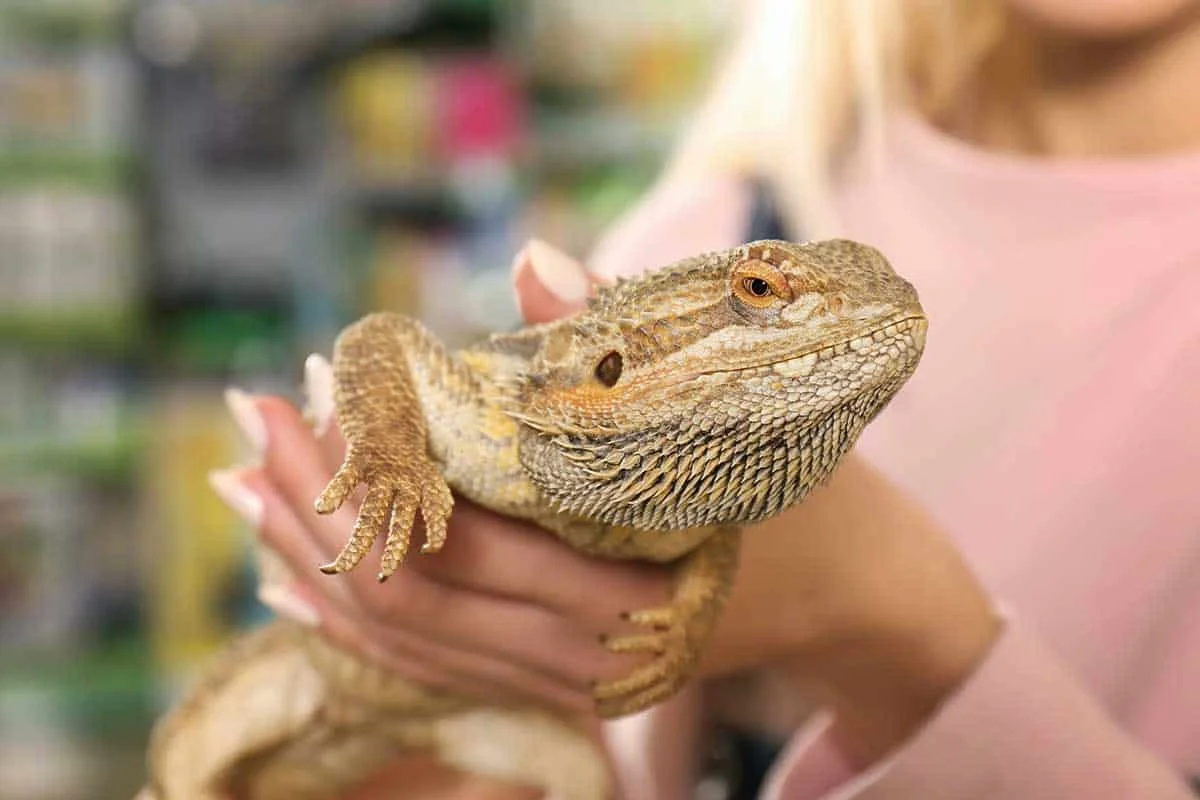
Caring for a bearded dragon can be an incredibly rewarding experience. These fascinating reptiles make wonderful pets, but they have specific needs to thrive. Understanding and providing for these needs is crucial to ensuring your bearded dragon lives a long, healthy, and happy life. This comprehensive guide dives deep into the essential aspects of bearded dragon care, helping you create an optimal living environment that promotes their well-being. From temperature and humidity to lighting, enclosure size, and diet, we’ll cover everything you need to know to keep your scaly friend content and flourishing.
Optimal Living Conditions for Bearded Dragons
Creating the perfect environment is the cornerstone of bearded dragon care. These reptiles are ectothermic, meaning they rely on external sources to regulate their body temperature. Their enclosure should mimic their natural habitat as closely as possible to ensure they can digest food, maintain a healthy metabolism, and exhibit natural behaviors. Achieving the right balance of temperature, humidity, lighting, and space is fundamental to their survival and overall quality of life. Failure to meet these requirements can lead to a range of health problems, so understanding and implementing these guidelines is paramount to responsible bearded dragon ownership.
The Importance of Temperature
Temperature is perhaps the most critical aspect of bearded dragon care. It directly impacts their digestion, metabolism, and activity levels. They need a thermal gradient within their enclosure, allowing them to move between areas of different temperatures to regulate their body temperature. Without the correct temperatures, they can suffer from various health issues, including metabolic bone disease, anorexia, and lethargy. Maintaining a proper temperature gradient is essential for them to thrive, digest food properly, and exhibit their natural behaviors, like basking.
Ideal Temperature Zones
A proper enclosure should feature a basking spot, a warm side, and a cooler side. The basking spot should be the hottest area, reaching 100-110°F (37-43°C) for adults and slightly warmer for juveniles. The warm side of the enclosure should be around 85-95°F (29-35°C), while the cool side should maintain a temperature of 75-80°F (24-27°C). These temperature zones allow your bearded dragon to thermoregulate effectively, moving between areas to warm up or cool down as needed. Regularly monitor these zones to ensure proper functionality and ensure the health of your dragon.
Heating Equipment Options
Several types of heating equipment can be used to achieve the necessary temperature gradient. A basking bulb is essential for creating the basking spot. Ceramic heat emitters (CHE) are useful for providing heat at night without producing light. Avoid using hot rocks, as these can cause burns. It’s important to select bulbs and emitters that are appropriate for the size of the enclosure and to use a thermostat to regulate the temperature accurately. Ensure all heating elements are protected by a guard to prevent your bearded dragon from coming into direct contact and burning itself. Always double-check your equipment for safety and functionality.
Monitoring Temperature

Accurate temperature monitoring is crucial. Use two thermometers, one placed on the warm side and one on the cool side of the enclosure. A digital thermometer with a probe is highly recommended for accurate readings. Place the probe near the basking spot and in the coolest area of the enclosure. Regularly check the temperatures throughout the day and night to ensure the gradient is maintained. Consistent monitoring allows you to make adjustments to the heating setup as needed, ensuring your bearded dragon always has access to the ideal temperature range for optimal health.
Humidity Levels for Bearded Dragons

Humidity plays a vital role in bearded dragon health, especially during shedding. Maintaining the correct humidity level helps them shed their skin properly, prevents dehydration, and supports respiratory health. While bearded dragons are desert reptiles and do not need high humidity, the enclosure should provide a range of 30-40%. Too little humidity can lead to shedding problems, while excessive humidity can foster bacterial growth and respiratory infections. Monitoring and adjusting the humidity levels in your bearded dragon’s enclosure is essential for its well-being.
Maintaining Proper Humidity
The easiest way to maintain humidity is to provide a shallow water dish and mist the enclosure lightly with water a few times a week, especially during shedding. Avoid over-misting, as this can lead to excessive humidity. The substrate can also influence humidity levels, with certain substrates like coconut fiber retaining more moisture than others. Ensure that the enclosure has adequate ventilation to prevent the buildup of excess humidity. Monitoring humidity levels daily helps maintain proper moisture balance.
Humidity Monitoring Tools
Using a hygrometer is essential to monitor humidity levels. A hygrometer measures the amount of moisture in the air, allowing you to track the humidity within the enclosure. Place the hygrometer in a central location within the enclosure to get an accurate reading. Digital hygrometers are the most accurate and reliable. Regularly check the hygrometer readings and adjust your misting schedule or enclosure setup to maintain the appropriate humidity range. This ensures your bearded dragon stays comfortable and healthy.
UVB Lighting Requirements

UVB lighting is crucial for the health of bearded dragons. It simulates the UVB rays from the sun, which are essential for synthesizing vitamin D3. Vitamin D3 allows them to absorb calcium, which is critical for bone health, and prevents metabolic bone disease. Choosing the right type and intensity of UVB lighting is critical for the long-term health and well-being of your bearded dragon, enabling it to live a long and happy life.
Why UVB is Crucial
Without UVB light, bearded dragons cannot properly process calcium, leading to metabolic bone disease (MBD). MBD causes weak bones, deformities, and eventually death. UVB also plays a role in other physiological processes, such as regulating appetite and promoting overall health. Providing appropriate UVB lighting is not optional; it’s a fundamental requirement for their survival and well-being, so take care in your choice and usage.
UVB Bulb Types and Placement
There are several types of UVB bulbs available, including fluorescent tube bulbs and mercury vapor bulbs. T5 fluorescent bulbs are often recommended as they provide a good balance of UVB output and longevity. The bulb should be placed at the correct distance from the basking spot, usually 12-18 inches, depending on the bulb’s intensity. Replace UVB bulbs every 6-12 months, as the UVB output decreases over time. It is always best practice to follow the manufacturer’s guidelines. Make sure you use a fixture appropriate for the type of bulb and consider the size of your enclosure when determining the right bulb.
Choosing the Right Enclosure
The size and type of enclosure are essential for your bearded dragon’s comfort and well-being. A properly sized enclosure provides adequate space for movement, basking, and exploration. The enclosure should be secure, well-ventilated, and easy to clean. The right enclosure setup contributes significantly to your bearded dragon’s quality of life, so it’s an important area to consider.
Enclosure Size Guidelines
A juvenile bearded dragon can start in a 40-gallon breeder tank (36x18x18 inches). As they grow, they will need a larger enclosure. Adult bearded dragons typically need a minimum of a 4x2x2 foot enclosure (48x24x24 inches), with larger being preferable. Provide plenty of space for them to move around and explore. Ensure the enclosure is secure and that the doors are easily accessible for feeding and cleaning. Bigger is always better; consider how much space your dragon needs to thrive.
Suitable Substrate Options
The substrate is the material that covers the bottom of the enclosure. Avoid loose substrates like sand, as they can be ingested and cause impaction. Safe substrate options include paper towels, reptile carpet, ceramic tile, or a bioactive substrate mix. Paper towels are easy to clean, but they lack the aesthetic appeal of other options. Reptile carpet is another option, but it must be cleaned and replaced regularly. Ceramic tile is an excellent option; it’s easy to clean, non-toxic, and holds heat well. Bioactive substrate mixes, containing soil, sand, and beneficial microorganisms, can create a more natural environment but require more maintenance.
Essential Enrichment and Decor
Provide plenty of enrichment and decor in the enclosure to stimulate your bearded dragon and prevent boredom. Include basking rocks, branches for climbing, and hides for security. These items provide different surfaces for your dragon to climb on, bask under, and retreat to when feeling stressed. Arrange the decor to create a varied and stimulating environment. A stimulating environment keeps your dragon happy and healthy, allowing it to express natural behaviors.
Providing Fresh Water and Food
A well-balanced diet and access to fresh water are essential for your bearded dragon’s health. Provide a variety of foods, including insects, vegetables, and fruits. A balanced diet will give your bearded dragon all the nutrients it needs, leading to better health. It is essential to consistently give fresh water and a varied and nutritious diet.
Water Bowl Essentials
Always provide a shallow water bowl in the enclosure. The water should be fresh and clean. Replace the water daily. The water bowl should be large enough for the dragon to easily access and shallow enough to prevent drowning. Clean the water bowl regularly to prevent bacterial growth. Using clean water helps to keep your dragon well-hydrated and healthy. The importance of clean, fresh water cannot be overstated.

Dietary Needs of Bearded Dragons
The diet of a bearded dragon changes as it grows. Juveniles need a diet primarily composed of insects, while adults can have a diet consisting of about 80% vegetables and 20% insects. Insects should be gut-loaded (fed nutritious foods) before being offered to the bearded dragon. Dust insects with a calcium and vitamin D3 supplement to ensure proper calcium absorption. Provide a variety of fresh vegetables and fruits, such as collard greens, mustard greens, and small amounts of berries. A diverse and balanced diet ensures that your dragon receives the nutrients it needs for optimal health.
Safe Food Choices
Offer a variety of safe and nutritious foods. Suitable insects include crickets, dubia roaches, and mealworms (in moderation). Safe vegetables include collard greens, mustard greens, and turnip greens. Avoid feeding iceberg lettuce, which has little nutritional value. Limit fruits due to their high sugar content, offering small amounts of berries as a treat. Always research safe and unsafe foods before introducing anything new to your bearded dragon’s diet. Proper nutrition is an investment in your dragon’s health and longevity.

Cleaning and Maintenance
Regular cleaning and maintenance are essential for maintaining a healthy environment for your bearded dragon and preventing the build-up of harmful bacteria and waste. A clean enclosure reduces the risk of illness and promotes a better quality of life for your pet. Make cleaning part of your regular routine and keep things fresh and sanitary.
Regular Spot Cleaning
Spot clean the enclosure daily to remove feces and uneaten food. This prevents the spread of bacteria and keeps the enclosure clean. Use a reptile-safe disinfectant to clean any soiled areas. Regular spot cleaning helps maintain hygiene and reduces odor. A quick daily cleanup goes a long way in maintaining a healthy environment for your bearded dragon.
Deep Cleaning Schedule


Perform a deep cleaning of the enclosure at least once a month. Remove all substrate and decorations and thoroughly clean the enclosure with a reptile-safe disinfectant. Replace the substrate with fresh, clean material. Rinse all decorations and allow them to dry completely before returning them to the enclosure. Regular deep cleaning prevents the buildup of bacteria and provides a fresh, hygienic environment for your bearded dragon. Proper cleaning maintains a healthy environment for your bearded dragon.
Common Health Issues and Prevention
Bearded dragons can be prone to certain health issues. By understanding these potential problems and taking preventative measures, you can significantly improve your pet’s health and well-being. Early detection and prompt treatment are vital for ensuring the best possible outcome for your bearded dragon. By taking the time to do your research, you can improve your ability to keep them healthy.
Signs of a Healthy Bearded Dragon
A healthy bearded dragon is active, alert, and has bright eyes. It should have a good appetite and be eating regularly. The skin should be smooth and free from any bumps, lumps, or discoloration. The feces should be solid and well-formed. Monitor your bearded dragon’s behavior and appearance daily to identify any potential health problems. Paying attention to any changes can help you catch health issues early on. Consistent observation can allow you to provide your dragon with the care that it needs.
Veterinary Care
Find a veterinarian who specializes in reptile care. Regular checkups are essential to ensure your bearded dragon stays healthy. If you notice any signs of illness, such as lethargy, loss of appetite, or abnormal feces, seek veterinary attention immediately. Early intervention can often prevent serious health problems. Consult your vet if you have any concerns about your bearded dragon’s health, or if you are not sure about something. Working with a veterinarian is part of being a responsible pet owner and will keep your pet healthy.
By following these guidelines, you can create an optimal living environment for your bearded dragon, ensuring its health, happiness, and longevity. Remember that consistent care and attention are key to keeping your scaly friend thriving. Enjoy the rewarding experience of owning and caring for these amazing creatures!