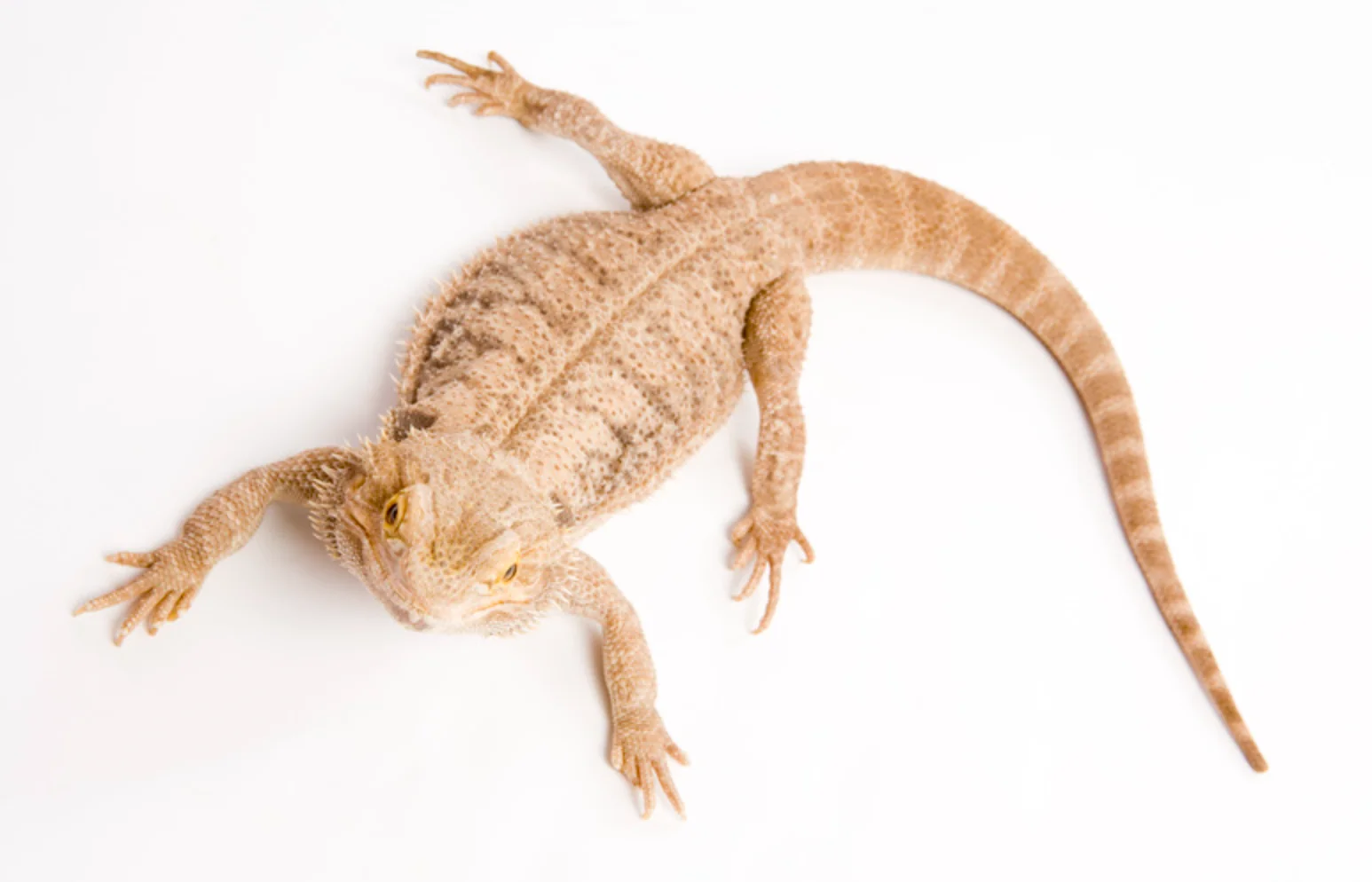
Bringing a bearded dragon into your life can be an incredibly rewarding experience. These fascinating reptiles, with their distinctive beards and gentle demeanor, make captivating pets. However, their longevity and overall well-being hinge on the quality of care they receive. This comprehensive bearded dragon care guide delves into seven essential secrets to ensure your scaly companion enjoys a long, healthy, and vibrant life. By understanding and implementing these key practices, you can create an optimal environment where your bearded dragon can thrive for years to come. Let’s explore the secrets to bearded dragon longevity, transforming you into a knowledgeable and confident reptile parent.
7 Secrets to Bearded Dragon Longevity
Provide the Right Habitat
The foundation of a healthy bearded dragon lies in its habitat. Mimicking their natural environment is crucial for their physical and psychological well-being. A well-designed enclosure offers security, comfort, and the necessary elements for thermoregulation, basking, and exploring. A poorly designed enclosure can lead to stress, illness, and a significantly shortened lifespan. Investing time and effort in the habitat setup is one of the most impactful things you can do for your bearded dragon’s overall health.

Tank Size & Setup
The size of the enclosure is paramount. A juvenile bearded dragon will need a 40-gallon breeder tank, but as they grow, they require more space. Adult bearded dragons need at least a 75-gallon tank, with larger tanks being preferable. The tank should be securely ventilated and made of a material that retains heat, such as glass or PVC. Inside the tank, provide various levels for climbing and basking, such as branches, rocks, and hides. This offers enrichment and allows your bearded dragon to regulate its body temperature effectively. A properly furnished tank will greatly enhance the quality of life for your pet.
Temperature Gradient
Bearded dragons are ectothermic, meaning they rely on external sources to regulate their body temperature. Establishing a proper temperature gradient within the enclosure is essential. The basking spot should reach 100-110°F (38-43°C), allowing them to digest food and maintain their metabolism. The cooler side of the tank should be around 75-85°F (24-29°C). Monitor temperatures daily with a digital thermometer with a probe to ensure accuracy. A heat lamp and UVB bulb are crucial for this purpose. Never use heat rocks, as they can cause severe burns.
Lighting Requirements
UVB lighting is non-negotiable for bearded dragons. UVB rays are essential for the synthesis of vitamin D3, which allows them to absorb calcium, critical for bone health and preventing metabolic bone disease. Use a UVB bulb specifically designed for reptiles, and replace it every six months, as its effectiveness diminishes over time. The UVB bulb should cover approximately two-thirds of the enclosure, and the basking spot should be placed directly under the UVB and heat lamps. Ensure there is a proper distance between the bulb and your dragon to avoid eye or skin damage, typically 12-18 inches. Additionally, provide a day/night cycle with 12 hours of light and 12 hours of darkness to mimic their natural environment.
Proper Diet is Key
A balanced diet is the cornerstone of a healthy bearded dragon. Their dietary needs change as they mature, but the core principles remain the same: a diet rich in insects, vegetables, and fruits. Providing the correct nutrients ensures they have the energy and building blocks they need to thrive. Poor nutrition can lead to a host of health issues, including stunted growth, weakened immune systems, and a decreased lifespan. Therefore, understanding the dietary needs of your pet is of utmost importance.

Nutritious Insects
Insects form the bulk of a juvenile bearded dragon’s diet, gradually shifting towards more vegetables as they mature. Crickets, dubia roaches, and black soldier fly larvae are excellent choices, offering high protein content and essential nutrients. Gut-load the insects with nutritious foods like vegetables, fruits, and commercial insect food at least 24 hours before feeding them to your dragon. This ensures that your pet receives the maximum nutritional value. Avoid feeding them wild-caught insects, as they can carry parasites or pesticides. The size of the insects should be no larger than the space between your dragon’s eyes to prevent choking hazards.
Fresh Vegetables & Fruits
Offer a variety of fresh, chopped vegetables and fruits daily. Dark, leafy greens like collard greens, mustard greens, and dandelion greens should form the base of the vegetable portion. Other suitable vegetables include squash, carrots, and bell peppers. Fruits should be offered in moderation, as they are higher in sugar. Good fruit choices include berries, melon, and apples. Always wash the vegetables and fruits thoroughly before serving. Avoid feeding them iceberg lettuce, as it offers little nutritional value. Variety in the diet helps ensure a balanced intake of vitamins and minerals, crucial for a healthy bearded dragon.
Hydration is Critical
Proper hydration is often overlooked but vital for bearded dragon health. They need access to clean water at all times to regulate their body temperature, aid in digestion, and maintain healthy organ function. Dehydration can quickly lead to serious health complications, so monitoring your dragon’s water intake is crucial. Creating a hydrating routine is essential for maintaining their vitality and overall well-being.
Water Bowl & Misting
Provide a shallow water bowl that is easily accessible and large enough for your bearded dragon to drink from. Change the water daily to prevent bacterial growth. Some bearded dragons may not readily drink from a bowl, so misting the enclosure with a spray bottle once or twice a day, especially during shedding, can help to increase humidity and encourage them to drink. Ensure the water is dechlorinated and at room temperature. Observe your dragon to ensure they are drinking enough, and adjust your hydration strategy as needed. Some dragons may prefer to lick water droplets from the enclosure decorations after misting.
Monitoring Humidity
Bearded dragons thrive in a moderate humidity environment, generally between 30-40%. High humidity can lead to respiratory infections, while low humidity can cause dehydration and shedding problems. Use a hygrometer to monitor the humidity levels in the enclosure. If the humidity is too low, you can increase it by misting the enclosure or adding a larger water bowl. If the humidity is too high, ensure proper ventilation. Proper humidity levels are essential to avoid common health problems and to promote a healthy lifestyle for your dragon.
Regular Health Checks
Regular health checks are an integral part of responsible bearded dragon ownership. Early detection of health issues can dramatically improve the chances of successful treatment and extend your dragon’s lifespan. Regularly assessing your dragon’s physical condition and behavior can help you catch any problems before they become serious, providing your dragon with the best chance at living a long and healthy life.
Signs of Illness
Be aware of the common signs of illness in bearded dragons. These can include lethargy, loss of appetite, changes in stool consistency, labored breathing, swelling of the limbs, and unusual behavior. Watch out for any changes in your dragon’s appearance, such as changes in skin color, unusual lumps, or bumps. Regularly observe your bearded dragon for these signs, and consult a veterinarian immediately if you notice any abnormalities. Early detection is key to preventing serious illness.
Vet Checkups

Schedule annual checkups with a qualified reptile veterinarian. Even if your bearded dragon appears healthy, these checkups can help detect any underlying health issues. The vet can perform a thorough physical examination, check for parasites, and provide preventative care. If you notice any signs of illness, do not hesitate to seek veterinary care. A vet can diagnose and treat illnesses effectively, ensuring your dragon gets the best possible care. A good vet will be able to advise on diet and husbandry, making sure you provide the best environment for your pet.
Handling with Care
Handling your bearded dragon correctly is essential for its well-being and your safety. A stressed or mishandled dragon can become fearful and may bite. The key is to build trust and make handling a positive experience for both you and your pet. Proper handling techniques will create a strong bond and contribute to your bearded dragon’s overall happiness and longevity.
Gentle Handling
Approach your bearded dragon slowly and gently. Avoid sudden movements that might startle them. Support their body fully when handling them, using both hands to cradle their belly and legs. Avoid grabbing them from above, as this can trigger a defensive response. Allow them to get used to your touch, starting with short handling sessions and gradually increasing the time. Always wash your hands before and after handling your dragon to avoid transferring germs or bacteria. Creating a comfortable experience for handling will strengthen the bond between you and your pet.
Bonding with Your Dragon
Regular interaction with your bearded dragon will help them become accustomed to you and trust you. Handle them gently and speak to them in a calm, soothing voice. Offer treats, such as insects, during handling to create a positive association. Over time, your dragon will begin to associate you with positive experiences, strengthening the bond. A well-socialized bearded dragon is typically less stressed and more content, leading to a happier and longer life. Remember, patience is key, and every dragon has a unique personality.
Enrichment and Stimulation

Bearded dragons are intelligent creatures that benefit from enrichment and stimulation. A stimulating environment can prevent boredom, reduce stress, and encourage natural behaviors. Providing opportunities for exploration, play, and mental exercise will contribute to your bearded dragon’s overall well-being. This aspect of care is often overlooked, but it can significantly impact your pet’s quality of life.
Toys and Activities
Provide toys and activities to keep your bearded dragon entertained. These can include climbing branches, hammocks, and rocks. You can also create foraging opportunities by hiding food items in different areas of the enclosure. Rotate toys regularly to keep things interesting. Supervise your bearded dragon during playtime outside of the enclosure to prevent escapes. Varying the activities can also boost their mental health. This keeps your dragon active and engaged and prevents boredom, leading to a healthier lifestyle.

Avoiding Boredom

Boredom can lead to stress and a decline in health. Rotate items in the enclosure, rearrange décor, and introduce new toys regularly. Spend time interacting with your dragon, offering treats and encouraging them to explore. Providing enrichment keeps them active and engaged. Stimulating their minds contributes to their happiness, and this stimulation is a critical component of bearded dragon care. A happy and engaged dragon is more likely to live a longer and healthier life.
Cleanliness is Next to Godliness
Maintaining a clean enclosure is crucial for preventing bacterial infections, parasites, and other health issues. Regular cleaning will keep your bearded dragon healthy and happy. Cleaning can be a hassle, but it’s vital to provide the best possible care for your dragon. Proper cleanliness is directly related to the longevity of your bearded dragon.
Regular Tank Cleaning

Spot-clean the enclosure daily, removing feces and uneaten food. Perform a thorough cleaning of the entire enclosure at least once a month. This involves removing all decorations, washing the tank with a reptile-safe disinfectant, rinsing thoroughly, and allowing it to dry completely before reassembling. This will prevent the growth of harmful bacteria and fungi, promoting a healthy environment for your pet. Regular cleaning is essential to maintaining a healthy environment.
Substrate Hygiene
Choose a safe substrate for your bearded dragon. Paper towels, reptile carpet, and tile are good options because they are easy to clean and do not pose a risk of impaction if ingested. Avoid using loose substrates like sand, especially for juvenile dragons, as they can accidentally ingest them. If you choose to use a loose substrate, use a bioactive substrate with a clean-up crew, and ensure that it is changed regularly. A proper substrate is essential for the health and hygiene of your pet. Regularly replacing or cleaning the substrate will prevent bacterial growth, which helps ensure a longer, healthier life for your bearded dragon.
By following these seven secrets, you can significantly improve your bearded dragon’s chances of a long, healthy, and fulfilling life. Providing the right habitat, a nutritious diet, proper hydration, regular health checks, gentle handling, enrichment, and a clean environment are all vital components of responsible bearded dragon care. Remember that each dragon is an individual, and their needs may vary. Always observe your dragon closely, and adjust their care accordingly. With dedication, care, and a passion for these amazing reptiles, you can create an environment where your bearded dragon thrives for many years to come.
Taking care of your bearded dragon can be rewarding, and this comprehensive guide will help you provide the best care possible. By understanding these seven secrets to bearded dragon longevity, you can ensure your pet lives a long, happy, and healthy life. Remember that ongoing research and learning are key to providing the best care possible. With consistent effort, you will gain a deep understanding of your scaly companion, creating a strong bond and a fulfilling experience for both of you. Enjoy the journey of bearded dragon ownership, and cherish the time you spend with these incredible creatures.