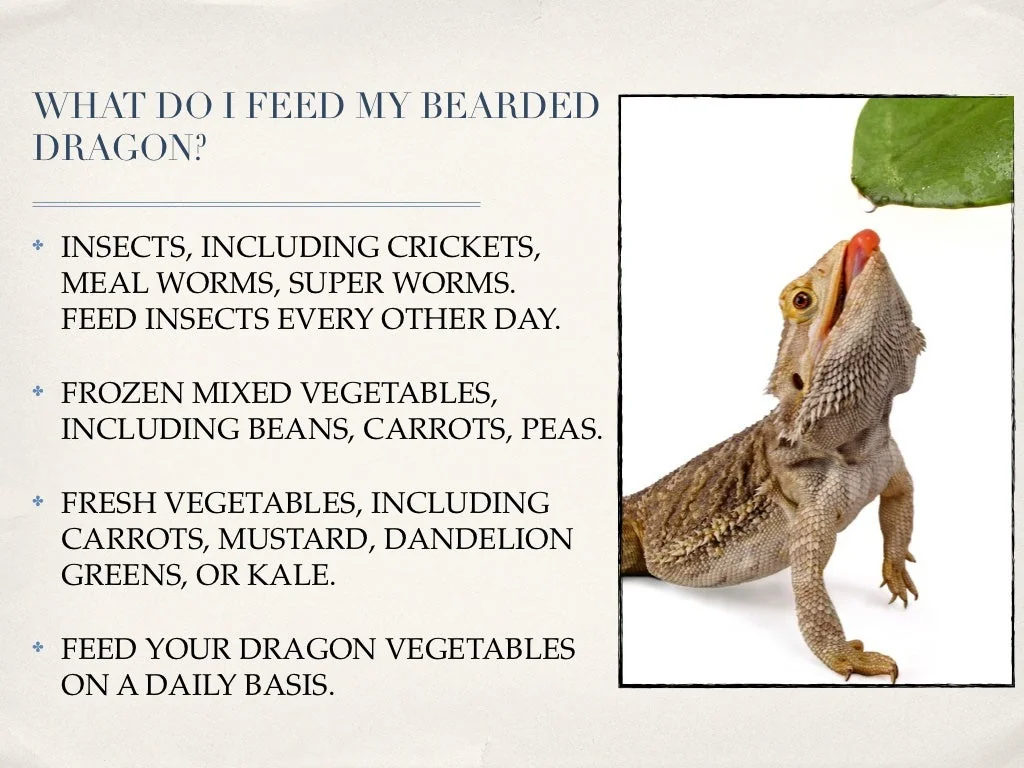
Daily Care Checklist for Bearded Dragons
Caring for a bearded dragon can be a rewarding experience, but it requires a consistent routine to ensure your scaly friend thrives. This checklist provides a comprehensive guide to the daily, weekly, and monthly tasks essential for maintaining a healthy and happy bearded dragon. Establishing a routine is crucial for their well-being, allowing you to catch potential health issues early and provide the necessary environment for their growth and happiness. Remember that consistency is key, and adapting the routine to your dragon’s individual needs is always recommended. Keep this checklist handy, and you’ll be well on your way to becoming a responsible and caring bearded dragon owner.
Morning Routine Essentials
The morning routine sets the tone for your bearded dragon’s day. It’s the time to ensure everything is in working order and that your dragon starts their day right. This includes checking the vital components of their habitat and providing them with fresh resources. This routine ensures the dragon has the correct temperatures and lighting, which is essential for their health, digestion, and overall well-being. Take a few minutes to perform these simple checks; your bearded dragon will appreciate it and thrive as a result.
Lighting and Heating Check
Before anything else, visually inspect the lighting and heating elements. Make sure the UVB and basking lights are functioning and positioned correctly. Ensure that the basking spot reaches the appropriate temperature (typically 95-110°F or 35-43°C), using a digital thermometer to verify. Check that the cool side of the enclosure maintains a temperature range of 75-85°F (24-29°C). A functional and stable environment is essential for the dragon’s health and digestion. If the temperatures are off, adjust the wattage of the bulbs or the distance from the basking spot, or replace any faulty equipment to ensure proper heating and lighting.
Fresh Water and Food Refill
Replace the water in the water dish with fresh, clean water every morning. Bearded dragons need access to clean water at all times to stay hydrated. Also, replace any old or uneaten food in the enclosure. Fresh food is vital and keeps the dragon interested in meals. This includes replacing any greens and vegetables that are wilting or dried out. If you feed insects, make sure to offer fresh, gut-loaded insects or have a plan to offer them later in the day. Proper hydration and a nutritious diet are critical elements for a bearded dragon’s health and longevity.
Spot Cleaning the Enclosure
Remove any visible waste, such as feces, urates, or spilled food, from the enclosure. Use a reptile-safe disinfectant to clean the affected areas. Spot cleaning prevents the build-up of bacteria and odors, creating a healthier environment for your dragon. Regularly cleaning is crucial to reduce the risk of illness and maintain a clean and hygienic habitat. This morning spot cleaning will keep your dragon’s home fresh and make the weekly and monthly deep cleaning much easier. Remember to replace any soiled substrate as needed.
Midday Routine for Bearded Dragons
During the middle of the day, you should make some checks to ensure the dragon is healthy and happy. These additional checks are quick and easy and help you monitor the dragon’s activity levels. These inspections allow you to catch any early signs of distress or illness and address them promptly. Remember, the mid-day routine is all about observation and ensuring the dragon continues to thrive in its environment.
UVB Light Inspection
Take a few moments to check the UVB light’s effectiveness. UVB light is critical for calcium absorption and bone health. Ensure that the bulb is producing light and that it’s within its recommended lifespan (usually 6-12 months, depending on the bulb type). Observe your dragon’s behavior. Are they basking under the UVB light, indicating they are absorbing the necessary rays? If you suspect the UVB light is not working, replace it to keep the dragon healthy.
Observe and Interact
Observe your bearded dragon’s behavior and activity levels. Are they alert and responsive? Do they show any signs of lethargy, loss of appetite, or unusual behavior? Interact with your dragon by offering a gentle touch or a short play session. This helps you bond with your pet and allows you to catch any potential health issues early. Regular interaction is also a good way to stimulate your dragon’s mind and prevent boredom. Observe their eyes, skin, and body language for any changes. Check for any signs of shedding problems, such as retained shed, which can be a sign of environmental issues.
Monitor Temperature and Humidity

Double-check the temperature and humidity levels in the enclosure. Temperature should be at the proper range: 95-110°F (35-43°C) for the basking spot and 75-85°F (24-29°C) on the cool side. Humidity levels should be between 30-40%. Use a digital thermometer and hygrometer to monitor these conditions accurately. Make adjustments to the heating and ventilation, if necessary, to maintain the correct environmental conditions. Improper temperature or humidity levels can lead to health problems, such as respiratory infections and metabolic bone disease.
Evening Routine for Bearded Dragons
The evening routine prepares your bearded dragon for a restful night. It helps wind down the dragon. Providing food and a final spot check ensures your dragon has a safe and comfortable night. Following this routine helps maintain a regular schedule for your dragon, contributing to their overall well-being. As the day winds down, these few tasks will assist in a healthy sleep schedule.
Feeding
Offer your bearded dragon its evening meal, typically a portion of insects or vegetables. Ensure you are providing the appropriate amount of food based on your dragon’s age and size. Offer the insects or vegetables and remove any uneaten food to prevent attracting pests. Remember to dust insects with calcium and vitamin supplements if you have not already. If the dragon is a juvenile, they should eat insects twice a day, while adults only need to eat once a day. Feeding in the evening allows the dragon to digest its food overnight.
Spot Cleaning
Remove any waste or spilled food from the enclosure. A quick spot cleaning before bedtime keeps the environment clean and minimizes the risk of bacteria growth. Removing waste nightly keeps your dragon’s home tidy and helps prevent odors. This step is especially important if your dragon has recently defecated in the enclosure. A clean environment promotes better health.

Turn Off Lights and Heating

Turn off all lights and heating elements, allowing the enclosure to cool down overnight. Bearded dragons need a nighttime temperature drop to properly rest and digest their food. Make sure the cool side of the enclosure is at the appropriate temperature (70-75°F or 21-24°C). Ensure the lights and heat have been off long enough before you go to bed to ensure your dragon has a healthy sleep.

Weekly Checklist for Bearded Dragons
In addition to the daily care routine, you should perform a weekly checklist to ensure your bearded dragon stays healthy and their habitat stays clean. The weekly tasks offer a more in-depth care regimen to keep your dragon safe and healthy. These tasks help maintain a hygienic environment, address potential health issues, and ensure your dragon thrives.
Deep Cleaning the Enclosure


Completely remove all substrate from the enclosure and replace it with fresh substrate. Clean the enclosure thoroughly with a reptile-safe disinfectant, paying close attention to corners and crevices. Wipe down any decorations, such as rocks, branches, and hides, before returning them to the enclosure. This deep cleaning helps to eliminate bacteria, odors, and parasites. A clean habitat is essential for preventing illnesses and keeping your bearded dragon healthy. Make sure the cleaning solution is rinsed off before putting the dragon back in.
Feeding Live Insects
Provide live insects, such as crickets, dubia roaches, or mealworms. Gut-load the insects with nutritious foods before feeding them to your bearded dragon. The insects should be dusted with calcium and vitamin D3 supplements for juveniles or as needed. This meal provides an essential source of protein and other nutrients. Vary the types of insects you offer to ensure a balanced diet for your bearded dragon.
Weighing Your Bearded Dragon
Weigh your bearded dragon using a digital kitchen scale. Keep track of your dragon’s weight, as any significant changes (loss or gain) can be a sign of health issues. Regular weight monitoring is an effective way to assess your bearded dragon’s health and catch any issues early. A healthy beardie will gain weight as it grows. Consult your veterinarian if you observe any concerning changes in weight.

Nail Trimming
Trim your bearded dragon’s nails if they are overgrown. Overgrown nails can cause discomfort and hinder the dragon’s movement. Use reptile nail clippers and be careful not to cut too close to the quick (the blood vessel inside the nail). If you are unsure how to trim your dragon’s nails, consult your veterinarian or an experienced reptile owner for guidance. Regular nail trimming is a good way to keep your dragon comfortable and mobile.
Monthly Checklist for Bearded Dragons
The monthly routine is a deeper look into your dragon’s overall health and well-being. This is also when you address any concerns and ensure that the dragon is receiving the care it needs. This review will ensure your pet’s health is maintained. These tasks focus on preventative care and ensuring that all aspects of your dragon’s care are up to par. This is a crucial time to check and re-evaluate the dragon’s entire setup and overall well-being.
Full Enclosure Cleaning
Perform a comprehensive cleaning of the entire enclosure. This involves removing all decorations, accessories, and substrate. Scrub the enclosure thoroughly with a reptile-safe disinfectant. Thoroughly rinse the enclosure and all its components before returning them. This deeper cleaning prevents the buildup of bacteria and parasites and maintains a healthy environment. The deep clean is more intensive than the weekly routine and is key to keeping your dragon healthy.
Veterinarian Visit and Health Check
Schedule a check-up with a veterinarian specializing in reptiles. The vet will check your dragon’s overall health, including its eyes, mouth, skin, and internal organs. They may also perform fecal tests to check for parasites. A regular checkup with a reptile veterinarian is crucial for early detection of health problems and for ensuring your dragon is receiving the best care possible. This checkup can catch anything that the owner cannot see.
Reviewing and Adjusting the Routine
Evaluate your bearded dragon’s routine. Are they thriving? Are there any issues you’ve noticed? Make any necessary adjustments to the routine based on your dragon’s needs and behaviors. This might involve changing the type of food, adjusting the temperature or humidity, or altering the enclosure setup. This review ensures the dragon’s well-being is met in every aspect of the care routine. The routine is a living document, and it should change as the dragon’s needs change.
By following this care routine, you’ll be well on your way to providing the best possible care for your bearded dragon. Remember that consistency, observation, and a proactive approach are the keys to a long and happy life for your scaly companion.