Understanding Bearded Dragon Behavior Cues
Bearded dragons, with their fascinating personalities, communicate primarily through body language. Understanding these cues is crucial for responsible pet ownership, allowing you to meet their needs, ensure their well-being, and build a strong bond. This guide will help you decipher the most common behaviors of your bearded dragon, from head bobs to color changes, and how daily monitoring plays a crucial role in their health.
Decoding Body Language: Common Bearded Dragon Signals
Bearded dragons use a variety of signals to express their emotions, intentions, and physical state. Paying close attention to these signals can help you understand if your dragon is happy, stressed, hungry, or unwell. It’s important to observe your bearded dragon regularly and learn to differentiate between normal behaviors and potential signs of distress.
Head Bobbing & Waving
Head bobbing and arm waving are two of the most visible forms of communication. These behaviors can have different meanings depending on the context. Observe the frequency, intensity, and the presence of other signals to interpret correctly.
Arm Waving Explained

Arm waving, where the dragon slowly raises and waves one of its front legs, is usually a sign of submission or a greeting. This behavior is most often seen in juvenile dragons as a way of indicating they are not a threat to a larger, more dominant dragon.
Head Bobbing Explained
Head bobbing is often a display of dominance, especially in males, and is used to attract females or warn off other males. Fast, vigorous head bobs typically indicate aggression or territoriality, while slower bobs can signify a display of courtship or curiosity. Always consider the context when observing.
Color Changes: What They Mean
Bearded dragons can change their color to regulate their body temperature, as well as express their mood. The intensity of their color can vary significantly.
Darkening of the Beard
A dark or black beard, the area under the dragon’s chin, often indicates stress, excitement, or aggression. Males will often display a black beard during mating season or when they feel threatened. If your dragon consistently has a dark beard, investigate potential stressors in its environment.

Pale or Bright Colors

Pale colors can sometimes indicate stress or illness, particularly if accompanied by other symptoms such as lethargy or a lack of appetite. Conversely, vibrant colors, when the dragon is basking, can indicate a healthy and happy dragon.
Mouth Gaping & Breathing
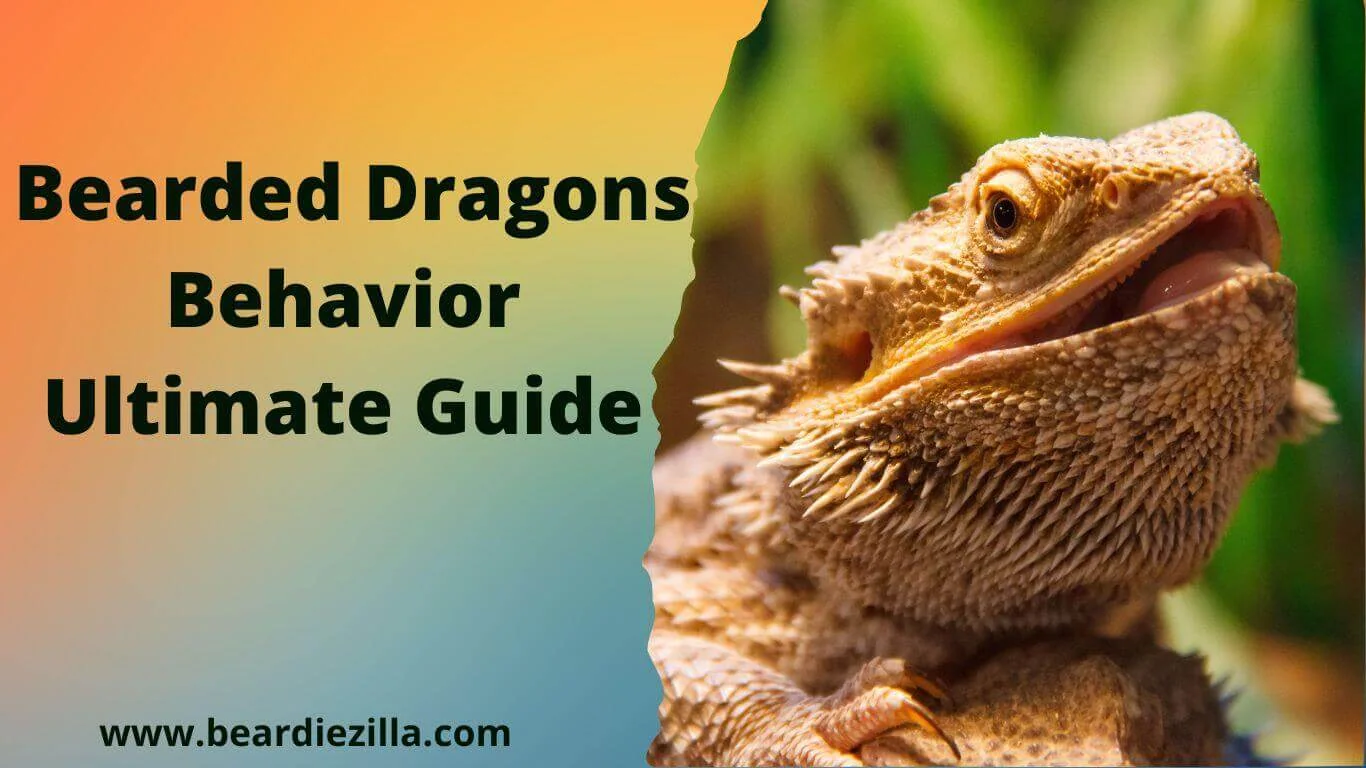
Mouth gaping, similar to panting, is a common behavior for bearded dragons to regulate their body temperature. However, if accompanied by wheezing or labored breathing, this can be a sign of a respiratory infection, requiring immediate veterinary attention.

Understanding Daily Monitoring for Bearded Dragons
Daily monitoring is critical to ensure the health and well-being of your bearded dragon. This involves observing your pet and its enclosure for any changes, no matter how small. Regular check-ups can help detect health problems early, which can significantly increase the chances of successful treatment. Set aside time each day to perform a thorough observation of your bearded dragon.
Monitoring Temperature & Humidity
Bearded dragons require specific temperature and humidity levels in their enclosure to thrive. Use thermometers and hygrometers to monitor these levels daily. The basking spot should be at a higher temperature than the cool side of the enclosure. Humidity should be monitored to prevent respiratory problems.
Checking the Enclosure
Inspect the enclosure daily for cleanliness and safety. Ensure the lighting and heating equipment are working correctly. Look for any potential hazards, such as loose objects that could injure your dragon. Clean the enclosure as necessary to prevent the buildup of bacteria and maintain a healthy environment.
Observing Feeding Habits
Pay attention to your bearded dragon’s appetite and eating habits. Note the quantity and type of food consumed, as well as any changes in behavior during feeding time. A sudden decrease or complete loss of appetite can be a sign of illness or environmental stress. Ensure that you’re providing a balanced diet for your pet.
Assessing Hydration
Ensure your bearded dragon has access to fresh, clean water daily. Watch for signs of dehydration, such as sunken eyes, wrinkly skin, and lethargy. You can also offer water via a dripper or mist the enclosure to encourage drinking. Providing leafy greens with high water content helps maintain hydration.
Recognizing Signs of Illness
Early detection of health problems can dramatically improve your bearded dragon’s chances of recovery. Familiarize yourself with the common signs of illness and act quickly if you notice anything unusual.
Lethargy or Lack of Appetite
A sudden decrease in activity level, or a refusal to eat, can indicate that your bearded dragon is sick. It’s important to identify the cause of the problem. Changes in the environment may cause a change in appetite.
Abnormal Droppings or Urination
Changes in the consistency, color, or frequency of droppings can be a sign of internal parasites, infections, or dietary problems. Changes in urination can also signify a health issue. Always note changes in bowel movements.
Importance of Early Detection
Early detection is crucial for successful treatment of many health problems in bearded dragons. Many illnesses can progress rapidly. Regular daily observation is an excellent preventative measure.
Seeking Veterinary Care
If you notice any concerning signs, consult an experienced reptile veterinarian. A veterinarian can diagnose the underlying cause of your dragon’s symptoms and recommend appropriate treatment. Do not attempt to treat your dragon yourself without professional guidance.
Creating a Safe & Healthy Environment
Providing a safe and healthy environment is essential for your bearded dragon’s well-being. The correct setup will also make daily monitoring easier and more effective. The proper enclosure, lighting, and enrichment play a key role in a healthy and happy bearded dragon.
Proper Lighting & UVB
Bearded dragons need UVB light to synthesize vitamin D3, which is essential for calcium absorption and bone health. Replace UVB bulbs regularly, following the manufacturer’s recommendations. Make sure the UVB bulb is the correct distance from your dragon. A lack of UVB can lead to metabolic bone disease. The lighting should be on a consistent cycle.
Enrichment & Stimulation
Provide your bearded dragon with opportunities for enrichment and mental stimulation. This can include climbing branches, hides, and toys. Enrichment helps prevent boredom and promotes natural behaviors, reducing stress and improving overall health.
Conclusion


Understanding your bearded dragon’s behavior cues and practicing consistent daily monitoring is essential for providing the best possible care. By paying close attention to their body language, environment, and overall health, you can ensure that your bearded dragon lives a long, healthy, and fulfilling life. Remember to consult with a reptile veterinarian for any health concerns.