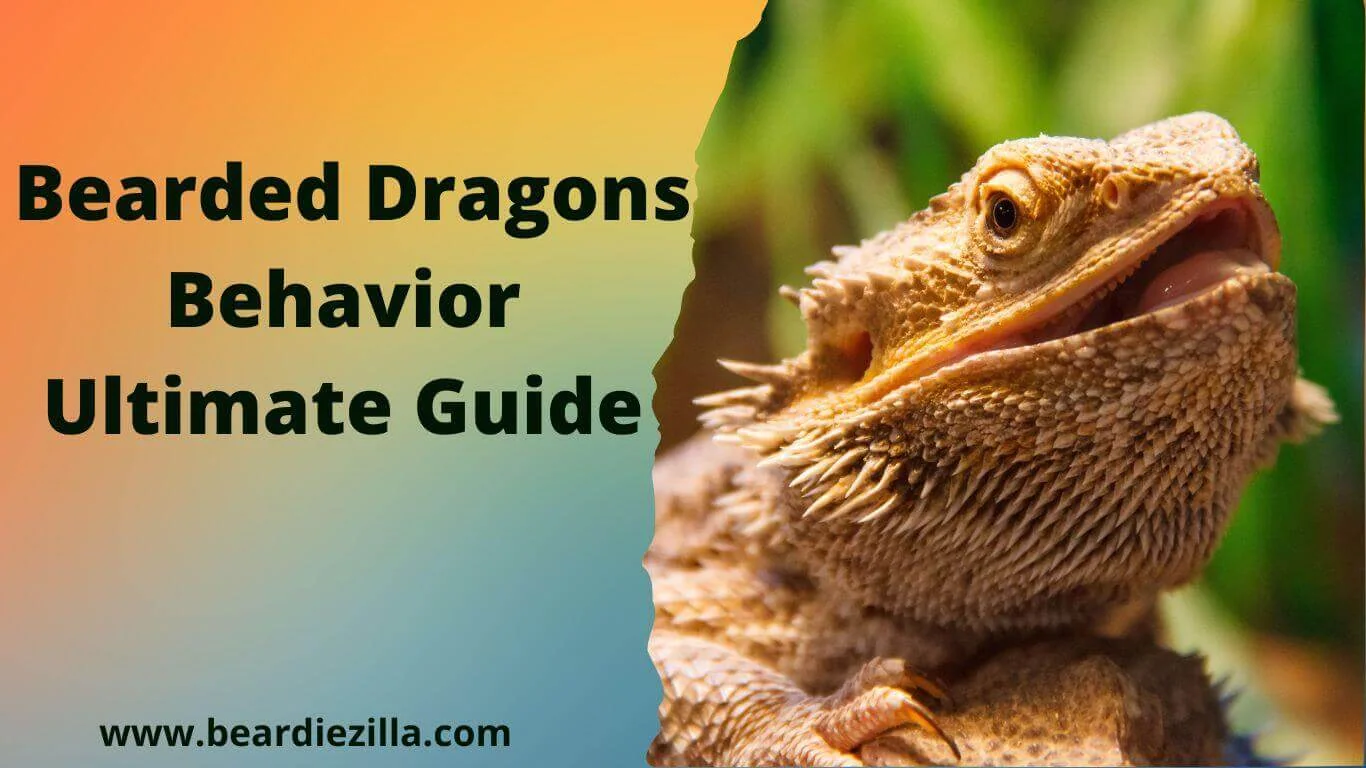
Understanding Bearded Dragon Behavior
Bearded dragons, with their distinctive beards and fascinating personalities, make captivating pets. To provide the best care, it’s essential to understand their behavior. These reptiles communicate through a variety of actions, from subtle shifts in color to dramatic displays. By learning to interpret these cues, you can create a thriving environment and strengthen your bond with your scaly friend. This guide dives into the most common behaviors, helping you decipher your bearded dragon’s needs and ensure its well-being. Understanding their behavior also helps in detecting potential health issues early on.
Common Behaviors of Bearded Dragons
Bearded dragons exhibit various behaviors, each with a specific meaning. Observing these behaviors is key to understanding their needs. Some behaviors are instinctive, while others are learned. By paying close attention to these common actions, you can gain insight into your dragon’s mood, health, and overall well-being. They often display behaviors related to thermoregulation, feeding, and social interaction. Observing these nuances can help you tailor your care to meet their specific needs.
Basking Behavior
Basking is a crucial behavior for bearded dragons. They need to bask under a heat lamp to regulate their body temperature and aid in digestion. When basking, they absorb UVB rays essential for vitamin D3 synthesis and calcium absorption. A healthy dragon will spend a significant amount of time basking, especially after feeding. Providing a basking spot with the correct temperature gradient is vital for their health. Observe your dragon’s basking habits to ensure they are getting enough heat and UVB exposure.
Digging Behavior
Digging is another natural behavior. In the wild, bearded dragons dig burrows for shelter, thermoregulation, and egg-laying. In captivity, digging can indicate various needs. Female dragons may dig when they are gravid (carrying eggs), while others might dig to cool down or seek a more comfortable spot. Providing a substrate that allows for digging, such as a sand and soil mix, can satisfy this instinct. If your dragon is digging excessively, it might indicate stress or the need for a better hiding spot or temperature regulation.
Eating Habits
Bearded dragons have specific eating habits. They are opportunistic feeders, consuming insects, vegetables, and fruits. Their appetite varies with age and environmental conditions. A healthy dragon will eat eagerly, while a loss of appetite can indicate illness or stress. Observing your dragon’s eating habits is crucial. Note what they eat, how much they eat, and their frequency of eating. Provide a varied diet to ensure they get all the necessary nutrients. A balanced diet and consistent feeding times contribute significantly to your dragon’s health and happiness.

Social Behavior
Bearded dragons are generally solitary creatures, and social behaviors are often related to mating or territorial disputes. They communicate through head bobs, arm waving, and beard displays. Head bobbing can indicate dominance or courtship, while arm waving is a submissive gesture. A black beard often signifies stress or aggression. Housing multiple bearded dragons together can lead to stress and injuries, especially among males. If you have multiple dragons, observe their interactions closely to prevent fights and ensure their well-being.
Recognizing Stress in Bearded Dragons

Bearded dragons can experience stress due to various factors, including improper habitat, poor diet, and illness. Recognizing the signs of stress is crucial for providing appropriate care and preventing health problems. A stressed dragon may exhibit a range of behaviors that signal discomfort or anxiety. Early detection of stress allows you to make necessary adjustments to their environment and care, leading to improved health and well-being. Being proactive can prevent serious health issues down the line.
Signs of Stress
Several signs can indicate that your bearded dragon is stressed. A black beard, as mentioned earlier, is a common sign of stress or aggression. Loss of appetite, lethargy, and hiding excessively are also warning signs. Other indicators include erratic behavior, such as pacing or glass surfing (rubbing against the enclosure walls). Observing these signs closely will help you identify and address any underlying issues. Changes in stool consistency or frequency are also signs to watch for. If you observe multiple signs of stress, it’s important to investigate the cause.
Causes of Stress
Several factors can cause stress in bearded dragons. These include inadequate temperature and lighting, an improper diet, and insufficient space. Overhandling and exposure to loud noises can also be stressful. Another common cause is an unsuitable habitat. Incorrect UVB lighting can also lead to health problems, including stress. Understanding the potential causes of stress helps you create an environment that promotes your dragon’s well-being. Regular monitoring of the habitat and the dragon’s behavior can help identify and address potential stressors promptly.
Tips for Reducing Stress
Reducing stress in your bearded dragon involves creating a comfortable and enriching environment. Ensure the enclosure has the correct temperature gradient and UVB lighting. Provide a varied diet with plenty of fresh vegetables and insects. Minimize handling, especially when your dragon is new to your home. Offer hiding spots and enrichment items, such as branches and rocks, to stimulate their natural behaviors. A calm environment is essential for a happy dragon. Consistency in daily care routines, such as feeding and cleaning, can also help reduce stress.
Creating an Optimal Environment
A well-designed environment is essential for your bearded dragon’s health and happiness. The habitat should mimic their natural environment as closely as possible, providing appropriate temperature, lighting, and enrichment. A suitable environment includes proper space, substrate, and accessories. A healthy habitat supports natural behaviors and reduces stress. The size of the enclosure should be large enough for your dragon to move around comfortably. Always ensure the enclosure is escape-proof and secure to prevent your dragon from getting loose and potentially injured.
Habitat Setup Essentials
The essential components of a bearded dragon habitat include an appropriately sized enclosure, a heat source, UVB lighting, a substrate, and hiding spots. The enclosure size should be at least 4 feet long, 2 feet wide, and 2 feet high for an adult. A ceramic heat emitter or basking bulb is needed to maintain the correct temperature gradient. UVB lighting is crucial for vitamin D3 synthesis. The substrate should be safe and non-toxic, such as reptile carpet or a mix of play sand and topsoil. Providing multiple hides and enrichment items adds interest and security.

Temperature and Lighting
Temperature and lighting are critical for bearded dragon health. A basking spot should reach 95-110°F (35-43°C), while the cooler end of the enclosure should be around 75-85°F (24-29°C). Use a thermostat to regulate the temperature. UVB lighting should be a specific UVB bulb designed for reptiles and replaced every six months. Place the UVB light within the recommended distance from the basking spot to ensure your dragon gets the necessary exposure. Use a thermometer and hygrometer to monitor conditions and make necessary adjustments.
Proper Diet and Hydration
A balanced diet and proper hydration are crucial for your bearded dragon’s health. They require a varied diet consisting of insects, vegetables, and fruits. Ensure they have access to fresh, clean water at all times. Proper nutrition boosts their immune system and prevents health problems. The diet should change as they age. Adjust your dragon’s feeding schedule and food types to meet their nutritional needs, as juveniles require more protein than adults. A well-fed and hydrated dragon is a healthy dragon, so monitor what your pet is eating and drinking.
Feeding Your Bearded Dragon

Feed your bearded dragon a variety of insects, such as crickets, mealworms, and dubia roaches, dusted with calcium and vitamin D3 supplements. Offer a mix of leafy greens, such as collard greens, mustard greens, and dandelion greens, as well as small amounts of fruits, like berries. Adjust the feeding schedule based on your dragon’s age. Juveniles need daily feedings of insects, while adults can be fed insects every other day. Offer food in a shallow dish to prevent insects from escaping and causing stress. Always remove uneaten food promptly to maintain a clean enclosure.
Water and Hydration
Provide fresh, clean water in a shallow dish. Bearded dragons absorb water through their skin and can also drink from a water bowl. Mist the enclosure regularly to increase humidity and encourage drinking. Consider offering water via a syringe or dropper, particularly if your dragon is not drinking from a bowl. Ensure your dragon always has access to water, especially during shedding or if the environment is dry. A well-hydrated dragon is more active and less prone to health issues. Always monitor water intake and adjust accordingly.
Handling and Interaction
Handling your bearded dragon can strengthen your bond, but it should be done with care. They are generally docile creatures but can become stressed if handled improperly. Approach your dragon calmly and gently. Proper handling reduces the risk of injury and strengthens the bond between you and your dragon. They may also show signs of discomfort if handled roughly. Regular handling will familiarize your dragon with you and make it more comfortable in your presence, which can reduce stress and improve the quality of life.
Safe Handling Techniques
When handling your bearded dragon, support their body, especially their belly. Avoid picking them up from above, which can be perceived as a threat. Instead, slide your hand under their belly and gently lift them. Always wash your hands before and after handling to prevent the spread of germs. Supervise children when handling, as they may accidentally handle the dragon too roughly. Limit handling time, especially when your dragon is new to your home or shows signs of stress. Observe the dragon’s behavior and body language during handling.

Bonding with Your Dragon

Bonding with your bearded dragon involves patience, consistent care, and understanding their behavior. Spend time observing your dragon, interacting with them in a calm and gentle manner. Offer treats and positive reinforcement, such as gentle stroking, to build trust. Provide a safe and stimulating environment to encourage interaction. The more time you spend with your dragon, the more comfortable it will become. Remember, forming a bond is a gradual process. Enjoying each other’s company makes the caregiving experience much more rewarding.
Conclusion The Key to a Happy Dragon
Understanding bearded dragon behavior is fundamental to providing optimal care and ensuring their well-being. By recognizing their various behaviors, you can identify stress, create an enriching environment, and strengthen the bond with your pet. Implementing these tips will help you become a better caregiver and ensure your bearded dragon lives a long, happy, and healthy life. Continue learning about your dragon’s unique personality and needs to provide the best possible care and enrich the lives of both you and your pet.