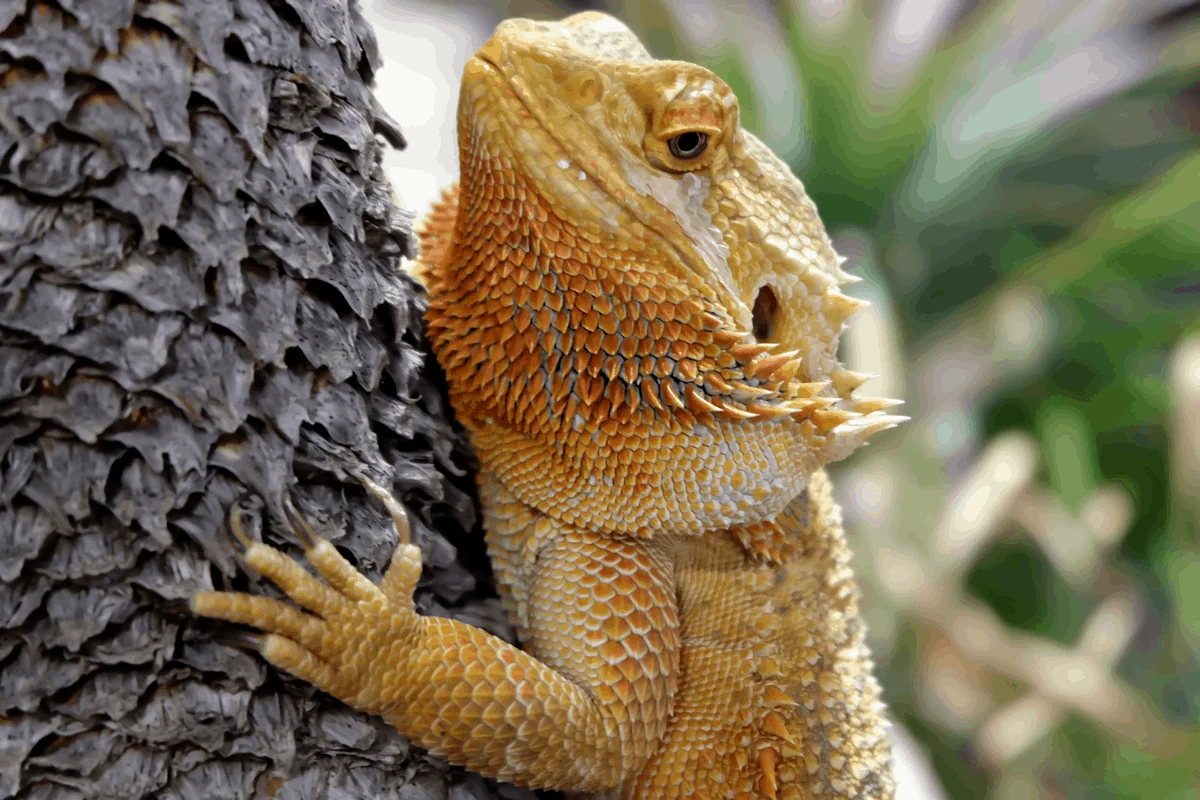
Why Bearded Dragons Need Activity
Bearded dragons, like all animals, have physical and mental needs that must be met to ensure their well-being in captivity. Providing opportunities for activity is crucial for their health and happiness. A lack of activity can lead to boredom, stress, and various health problems. In their natural habitat, bearded dragons are active hunters and explorers. They spend their days basking, foraging for food, climbing, and interacting with their environment. Replicating these behaviors in captivity through activity enhancement is essential for mimicking their natural behaviors and maintaining their overall health. It helps stimulate their minds, keeps their bodies strong, and prevents a host of potential issues that can arise from a sedentary lifestyle. Remember, a happy dragon is an active dragon!
Benefits of Activity for Bearded Dragons
Enhancing activity levels for your bearded dragon offers numerous benefits, directly impacting their physical and mental well-being. Increased activity promotes a healthy appetite and aids in proper digestion, ensuring they receive the necessary nutrients from their food. This, in turn, strengthens their immune system, making them less susceptible to illness. Activity also helps prevent obesity, a common problem in captive reptiles, which can lead to serious health complications. Furthermore, regular exercise helps maintain muscle tone and bone density, vital for their overall health. On a mental level, activity combats boredom, stress, and depression. Providing mental stimulation through exploration, foraging, and interaction can lead to a more content and engaged pet. A happy and active bearded dragon is a healthy bearded dragon, making activity enhancement a key component of responsible reptile ownership.
Top 5 Activity Boosters for Bearded Dragons
There are many ways to boost your bearded dragon’s activity levels and enrich their captive environment. Implementing a variety of engaging activities can keep your dragon stimulated and happy. Here are five excellent ideas to get you started, offering different ways to encourage movement, exploration, and mental stimulation. By incorporating these activities into your dragon’s daily or weekly routine, you can significantly improve their quality of life, ensuring they stay active, healthy, and entertained. Remember, the goal is to mimic their natural behaviors as closely as possible and provide an environment that allows them to thrive. Consider mixing up these activities to prevent your dragon from becoming bored.

Climbing Structures
Climbing is a natural behavior for bearded dragons, providing both physical exercise and mental stimulation. Climbing structures help them explore their environment from different perspectives, satisfying their curiosity and encouraging movement. These structures should be strong enough to support your dragon’s weight and offer various surfaces to grip and climb on. Not only does climbing enhance physical health, it also provides opportunities for thermoregulation. Elevated positions allow them to bask closer to the heat source, aiding in digestion. The addition of climbing structures also provides opportunities for dragons to survey their surroundings. Adding a climbing structure can be a fun addition that keeps your dragon engaged and active, thus enhancing their overall well-being.
Different Climbing Structure Options

There is a wide variety of climbing structures available for bearded dragons, each offering unique benefits and challenges. Branches and driftwood are excellent natural options, providing irregular surfaces that encourage a variety of grips. Ensure that the wood is reptile-safe and free of pesticides. Commercially available climbing structures, like reptile hammocks and rock formations, are specifically designed for reptile habitats and offer secure climbing options. You can also create your own structures using safe materials like non-toxic rocks and sturdy platforms. Consider your dragon’s size and preferences when choosing structures, and offer a combination of options to keep things interesting. Vary the height and placement of these structures to encourage your dragon to explore and stay active.

How to Set Up Climbing Structures
The placement of climbing structures is key to maximizing their effectiveness and ensuring your dragon’s safety. Position climbing structures to allow your dragon easy access to basking spots and areas of varied temperature. Ensure the structures are stable and cannot tip over, potentially causing injury. Consider the size of your enclosure and the available space when choosing and placing structures. Avoid overcrowding the enclosure, as this can limit your dragon’s movement. Place the climbing structures in a way that encourages your dragon to navigate different areas of the enclosure, encouraging exploration. Regularly check the structures for wear and tear, replacing any damaged items promptly. By setting up climbing structures correctly, you can create an enriched environment that supports your dragon’s natural behaviors and improves their quality of life.
Digging Box
Bearded dragons are natural diggers. Providing a digging box satisfies this instinct, offering mental and physical enrichment. Digging allows them to express natural behaviors and can provide a sense of security and comfort. This activity helps to prevent boredom and provides a form of exercise as they explore the substrate. A digging box is a simple addition that can greatly improve your bearded dragon’s well-being. Beyond the benefits of exercise and natural expression, a digging box allows a bearded dragon to regulate their body temperature by digging and creating a cooler microclimate. Moreover, it can provide a healthy outlet for stress, as well as promoting a sense of exploration.
Best Substrate for Digging
Choosing the right substrate for your digging box is essential for your dragon’s health and safety. The substrate should be non-toxic, dust-free, and safe if accidentally ingested. A mixture of play sand and organic topsoil is a popular choice. This combination provides a good texture for digging and allows your dragon to create burrows. Avoid using calcium sand, as this can cause impaction if ingested. Coconut fiber is another option, providing a soft and safe digging material. Ensure the substrate is kept clean and replaced regularly to prevent bacterial growth. The depth of the substrate should allow your dragon to fully burrow and explore. Providing the right substrate is a key element in creating a functional and enriching digging box.
Digging Box Setup Guide

Setting up a digging box is a straightforward process. Choose a container that is appropriately sized for your dragon, ensuring it is large enough to allow comfortable digging. Place the container within the enclosure, away from heat sources to prevent the substrate from drying out too quickly. Fill the container with the appropriate substrate, ensuring it is deep enough for your dragon to burrow. You can also add hiding spots and small toys to the digging box to enhance the experience and make it more engaging. Introduce your dragon to the digging box by gently placing them inside. Initially, your dragon may be hesitant, but with encouragement, they will likely start exploring. Keep the digging box clean by regularly removing any waste and replacing the substrate as needed.
Foraging Toys
Foraging toys provide mental stimulation by encouraging your dragon to hunt and find their food. This activity mimics their natural foraging behavior and helps prevent boredom. These toys challenge your dragon to solve puzzles or manipulate objects to access their food. Incorporating foraging toys engages their natural instincts, making mealtime more interesting and rewarding. Foraging toys can be as simple as hiding food in a few places, or more elaborate puzzles designed for reptiles. By using foraging toys, you can turn feeding time into an enriching experience, keeping your dragon active and mentally engaged.
Types of Foraging Toys
There are various types of foraging toys available, each designed to provide different levels of challenge. Puzzle feeders require your dragon to manipulate parts to access food. Food balls or rolling feeders dispense food as the dragon interacts with them. Hiding food under objects, in small containers, or in crevices can also stimulate foraging behavior. You can also create your own foraging toys using safe materials. When selecting toys, consider your dragon’s size, personality, and eating habits. Rotate the toys regularly to maintain interest and provide different levels of stimulation. Choosing toys appropriate for your dragon ensures they stay engaged and mentally stimulated.
How to Use Foraging Toys

Introducing foraging toys to your bearded dragon should be done gradually. Start with simple toys and gradually increase the complexity as your dragon becomes more comfortable. Place the toys in their enclosure during feeding times. Show your dragon the toy and demonstrate how it works, if necessary. Initially, you may need to provide some food outside of the toy to ensure your dragon is getting enough to eat. Monitor your dragon’s progress and adjust the complexity of the toys as needed. Make sure that your dragon is able to access the food without excessive difficulty. If your dragon doesn’t show interest in a particular toy, try a different one. With patience and practice, foraging toys can become a regular part of your dragon’s enriching activities.
Supervised Exploration

Supervised exploration outside of the enclosure can provide physical exercise and mental stimulation. Allowing your bearded dragon to explore a safe and controlled environment stimulates their curiosity and allows them to interact with different textures and objects. This activity allows your dragon to expand its world beyond the confines of its enclosure, which reduces boredom and enhances their overall well-being. Providing supervised exploration time allows for a change of scenery and a change of pace for your dragon. Supervised exploration is an essential part of keeping a bearded dragon happy and mentally stimulated. Make sure you always supervise your dragon while exploring outside of their enclosure.
Safe Exploration Areas
Selecting a safe area for exploration is crucial for your bearded dragon’s well-being. The area should be free of hazards such as electrical cords, small objects they can swallow, and toxic substances. A designated, enclosed space is ideal, such as a room or a playpen specifically prepared for them. Ensure the floor is covered with a clean, non-toxic surface like reptile carpet or tile. Provide various objects for them to interact with, such as safe plants, rocks, and tunnels. The exploration area should also offer a variety of temperatures to prevent overheating or chilling. Be mindful of potential escape routes, and always supervise your dragon during exploration to prevent any accidents. Prepare the area by removing anything that could pose a hazard.
Preparing for Exploration
Before allowing your bearded dragon to explore, preparation is key to ensuring their safety and enjoyment. Clean the exploration area thoroughly to remove any potential hazards. Make sure the area is free of small objects that could be ingested, and that the floor is covered in a safe, non-toxic material. Provide a basking spot, a cooler area, and fresh water. Introduce new items gradually to keep your dragon engaged, and always supervise your dragon to prevent any escape or accidents. Prepare the area to meet the temperature and lighting requirements for bearded dragons. This will help them regulate their body temperature while they explore. Always wash your hands before and after handling your bearded dragon. By taking these steps, you can create a safe and stimulating environment for your dragon.
Interaction and Playtime
Interacting and playing with your bearded dragon can significantly improve their well-being and strengthen the bond between you and your pet. Regular interaction helps them feel secure, reducing stress and boredom. Engage in gentle handling, talk to them, and offer them opportunities to explore and interact with their environment. Playtime can involve simple activities, such as hand-feeding insects, offering new food items, or introducing safe toys. This interaction provides mental stimulation and allows them to build trust with you. This interaction also provides opportunities to observe your dragon’s behavior and health. This is an excellent way to maintain their physical and mental health. Remember that positive and consistent interaction is a key part of providing a good quality of life.

Fun Ways to Interact with Your Dragon
There are many enjoyable ways to interact with your bearded dragon. Gently handle your dragon and allow them to sit on your shoulder or hand. Offer treats, such as insects, from your hand. Introduce new toys or objects to explore. Some dragons enjoy walks outside in a harness. Speak to your dragon in a calm and soothing voice. Watch for signs of enjoyment, such as a relaxed posture, bright colors, and a willingness to explore. Avoid forcing interactions, allowing your dragon to initiate and dictate the pace of the interaction. Be patient, and allow your dragon to become accustomed to your presence and interactions at their own pace. The key is to offer them opportunities to interact in ways they enjoy.
Things to Avoid During Playtime
There are certain things to avoid during playtime to ensure your bearded dragon’s safety and well-being. Avoid sudden movements or loud noises that could startle your dragon. Never force your dragon to interact; always respect their boundaries. Do not handle them roughly or squeeze them. Avoid allowing them to come into contact with other pets that could pose a danger or carry diseases. Refrain from feeding them unsafe foods during playtime. Never leave your dragon unattended during playtime, especially outside of their enclosure. Always be mindful of your dragon’s body language, and stop interacting if they appear stressed or uncomfortable. Always prioritize their comfort and safety.
Maintaining an Active Bearded Dragon
Maintaining an active bearded dragon requires consistency and observation. Regularly incorporate activity boosters into your dragon’s routine. Rotate activities to prevent boredom and provide a variety of experiences. Observe your dragon’s behavior to gauge their interest and adjust activities as needed. Ensure that their enclosure is spacious and well-equipped with essential elements. Keep their environment clean and maintain proper temperature and lighting. Provide a balanced diet, and offer opportunities for thermoregulation, and basking. The key to maintaining an active and healthy bearded dragon is to adapt activities based on their individual needs and preferences. By incorporating these practices, you can ensure your dragon remains engaged and active throughout their life.
Monitoring Activity Levels
Regularly monitoring your bearded dragon’s activity levels is vital for assessing their well-being. Observe their behavior throughout the day. Note how much time they spend moving around, exploring, and interacting with their environment. Watch for any changes in their routine, such as decreased activity, lethargy, or a lack of interest in food. Use the climbing structures, foraging toys, and exploration opportunities you provide, and note how frequently they utilize them. Keep a log of your dragon’s activity level over time. If you observe a significant drop in activity or concerning behavior, consult with a veterinarian specializing in reptiles. These observations can alert you to potential health or environmental issues. Monitoring activity level enables you to ensure your dragon is happy and healthy.
Signs of a Bored Dragon
Recognizing the signs of a bored bearded dragon is crucial for ensuring their well-being. Common signs include lethargy, decreased appetite, and a lack of interest in their surroundings. They may spend excessive time hiding, or display repetitive behaviors, like pacing or glass surfing. They might also show signs of stress, such as darkened coloration or a reluctance to interact. If your dragon starts displaying these signs, assess their environment and activities. It may indicate that their enclosure is too small, they lack stimulation, or they are experiencing a health issue. Implement additional enrichment activities and consult a vet if the signs persist. Addressing boredom promptly prevents further health issues and ensures your dragon’s well-being.