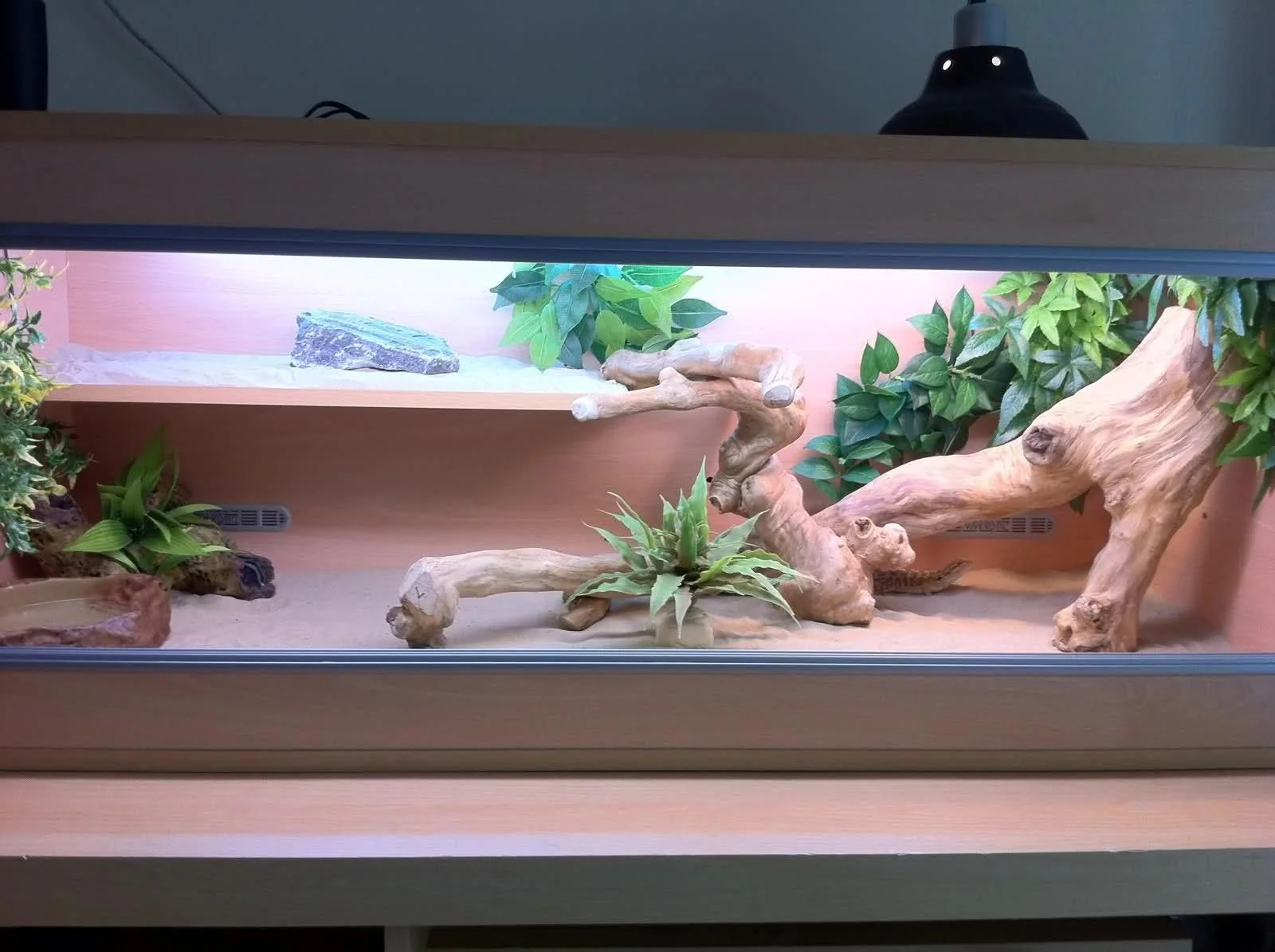
Understanding Airflow Needs of Bearded Dragons
Airflow is a critical, often-overlooked, aspect of maintaining a healthy environment for your bearded dragon. These fascinating reptiles, native to the arid regions of Australia, thrive in environments that mimic their natural habitats. Adequate airflow plays a vital role in regulating temperature, humidity, and preventing the buildup of harmful bacteria and respiratory issues. By understanding the specific airflow requirements of your bearded dragon, you can significantly improve its overall well-being and longevity. This guide provides information on upgrading your bearded dragon’s habitat and the importance of airflow to the health and happiness of your pet.
Why Airflow is Crucial for Bearded Dragons
Effective airflow ensures that fresh, oxygen-rich air circulates throughout the enclosure, preventing the accumulation of stale air and harmful gases like ammonia, which can be produced by waste. Good ventilation helps regulate the temperature, preventing the habitat from becoming too hot or cold, and reduces the risk of overheating or hypothermia. Furthermore, proper airflow is essential for controlling humidity levels. High humidity, especially combined with poor airflow, can create a breeding ground for mold, mildew, and bacteria, leading to respiratory infections and other health problems. Proper airflow allows for the movement of air currents, which contributes to the removal of excess moisture, thereby maintaining a healthy and balanced environment.
Health Risks of Poor Airflow
Poor airflow can pose serious health risks to your bearded dragon. Stagnant air can lead to respiratory infections, pneumonia, and other breathing difficulties. The build-up of harmful gases can irritate the dragon’s respiratory system, making them more susceptible to illness. High humidity due to insufficient airflow can encourage the growth of mold and bacteria, leading to skin infections, fungal diseases, and other health complications. Furthermore, inadequate airflow can impact the dragon’s ability to properly thermoregulate, potentially causing stress and affecting their overall immune function. A stressed dragon is more vulnerable to disease, highlighting the importance of maintaining excellent airflow conditions within their habitat.
How to Identify Poor Airflow in Your Habitat

Identifying poor airflow requires careful observation. One of the primary indicators is the presence of condensation on the enclosure walls, particularly in cooler areas. A persistent, musty odor inside the habitat is also a common sign. Another indicator is the presence of mold or mildew growth. If you notice these, the airflow is likely inadequate. Monitor your dragon’s behavior; signs of respiratory distress, such as open-mouth breathing, wheezing, or mucus discharge from the nose, can indicate poor air quality. Use a hygrometer to measure humidity levels; consistently high readings, even with appropriate watering, might suggest insufficient airflow. You may also notice uneven temperatures throughout the enclosure, with hot spots or areas that don’t get adequate ventilation. Regular observation and awareness are crucial.
Top Habitat Upgrades for Improved Airflow

Ventilation Design and Placement
The design and placement of ventilation are crucial for effective airflow. The most effective setup typically involves vents placed high and low on opposite sides or ends of the enclosure. This configuration allows for cross-ventilation, where cooler air enters at the bottom and pushes warmer, more humid air out through the top vents. Vents should not be blocked by décor, substrate, or anything else that might obstruct airflow. Consider the location of the enclosure itself; placing the habitat in a room with good overall ventilation can also help improve airflow. Regularly inspect vents for any blockages caused by dust, debris, or the dragon itself. Proper ventilation design works to create consistent air circulation.
Proper Ventilation Systems
There are different ventilation systems you can implement. Passive ventilation relies on natural convection currents and strategically placed vents. Active ventilation, involving fans, can significantly enhance airflow. Small computer fans are often used to create a gentle flow of air. These fans should be positioned to circulate air without creating a direct draft on the dragon. When using fans, ensure they are securely mounted and protected from moisture to prevent any risk of electrical hazards. Consider the noise level when choosing a fan, aiming for a quiet operation to avoid stressing your pet. Regularly clean or replace filters if used, as dust accumulation can reduce effectiveness.
DIY Ventilation Solutions
If you’re looking for cost-effective solutions, consider DIY ventilation options. You can create additional ventilation holes using a drill, ensuring they’re properly sized and placed. For passive ventilation, create a series of vents along the top and bottom of the enclosure. For active ventilation, small computer fans can be easily incorporated. Ensure that all DIY modifications are safe and free of sharp edges or potential hazards. When installing fans, be sure to provide adequate protection from dust and moisture, and consider adding a grill or cover to prevent the dragon from accidentally accessing the fan blades. Careful planning and attention to detail are key to creating safe and functional DIY ventilation systems.
Substrate and Airflow
The substrate you choose significantly impacts airflow within the habitat. Substrates that trap moisture, like sand or soil, can hinder airflow and increase humidity. Choose substrates that promote good airflow, are easy to clean, and do not retain excessive moisture. Avoid dusty substrates, as they can irritate the dragon’s respiratory system. The type of substrate is an important element of creating airflow and a healthy habitat.
Choosing the Right Substrate

Recommended substrates include paper towels, reptile carpet, or tile. These options allow for excellent airflow and are easy to clean and maintain. For a more naturalistic look, consider using a bioactive substrate, which combines several components. Choose a substrate appropriate for the age and health of your dragon. Avoid any substrates that may be ingested or cause respiratory issues.
Impact of Substrate on Air Circulation
A substrate’s ability to absorb and release moisture directly affects airflow. Substrates that retain moisture can increase humidity levels, potentially leading to poor air quality and increased risk of respiratory infections. Opt for substrates that allow air to circulate freely. Regular cleaning of the substrate is essential to prevent the buildup of waste, which can further impede airflow. Maintaining a clean and well-chosen substrate promotes overall air quality and a healthy environment for your pet.
Enclosure Size and Airflow
The size of the enclosure plays a crucial role in airflow. A larger enclosure allows for better air circulation compared to a smaller one. Ensure that the enclosure size is appropriate for your dragon’s size and age, as an enclosure that is too small may have reduced airflow. The proper size also provides adequate space for the dragon to move around, creating airflow by its own movement. The best approach is to ensure that the enclosure dimensions facilitate proper ventilation.
Matching Enclosure Size to Dragon’s Needs
The size of the enclosure should reflect the dragon’s age and size. A juvenile dragon will require a smaller enclosure than an adult. As your dragon grows, you will need to upgrade to a larger habitat. A cramped environment can restrict airflow, making it difficult to maintain proper temperature and humidity levels. Choosing an enclosure size that accommodates your dragon’s current and future size helps to optimize airflow and maintain a healthy habitat.

Airflow Considerations for Different Enclosure Types
Various enclosure types have different airflow characteristics. Glass tanks often require more careful attention to ventilation due to their tendency to trap moisture. Consider placing ventilation on the sides, top, and bottom. Wooden enclosures may naturally have better ventilation, but should be sealed to prevent moisture damage. Mesh enclosures provide excellent airflow, but can be harder to regulate temperature and humidity. With any enclosure type, ensure vents are properly placed and maintained to promote adequate airflow and prevent stagnant conditions.

Additional Airflow Enhancements
Placement of Heating and Lighting
The placement of heating and lighting can significantly influence airflow. Avoid placing heat sources directly above vents, as this can impede airflow. Position heat lamps and UVB lights in a manner that encourages a natural temperature gradient within the enclosure. Use appropriate wattage bulbs to avoid excessive heat, which can lead to decreased airflow. Proper placement of heating and lighting elements creates a well-ventilated enclosure and keeps your bearded dragon safe.
Humidity Control for Optimal Airflow
Controlling humidity is vital for optimal airflow. High humidity hinders airflow and creates a breeding ground for bacteria. Use a hygrometer to monitor humidity levels and adjust ventilation as needed. Reduce humidity by increasing airflow through strategic vent placement, and ensure that the enclosure is not overly humid. A well-ventilated habitat is less likely to develop high humidity. Control humidity levels to maintain a healthy environment.

Regular Habitat Maintenance and Airflow
Regular maintenance is vital for maintaining optimal airflow. Cleaning the enclosure, removing waste, and ensuring all components are functioning properly are essential for the health of your dragon. Consistently maintaining your dragon’s habitat is an ongoing task, and provides the best environment to keep your pet healthy.

Cleaning Schedule and Airflow
Establish a regular cleaning schedule to remove waste, uneaten food, and other debris that can compromise airflow. Spot-clean the enclosure daily, removing fecal matter and any soiled substrate. Conduct a full enclosure cleaning at least once a month. During cleaning, ensure all components are thoroughly cleaned and disinfected, and allow the enclosure to fully dry before replacing the substrate and returning the dragon. A clean habitat supports good air quality.
Monitoring Airflow in Your Bearded Dragon’s Habitat
Regular monitoring of airflow is crucial. This involves observing the behavior of your dragon, measuring temperature and humidity levels, and regularly inspecting the enclosure. Look for signs of poor airflow, such as condensation, musty odors, and mold growth. Be alert to respiratory issues in your dragon, such as open-mouth breathing or wheezing. The key to long-term health for your pet is consistent, mindful monitoring of the environment you provide. Make necessary adjustments to ventilation and other components of the environment to ensure your bearded dragon enjoys a healthy, well-ventilated habitat.
Conclusion
Maintaining optimal airflow is fundamental to the health and well-being of your bearded dragon. By understanding the importance of airflow, implementing the right habitat upgrades, and establishing a regular maintenance routine, you can create a thriving environment for your pet. Prioritizing airflow ensures that your dragon breathes clean air, maintains proper thermoregulation, and remains free from respiratory ailments. Regularly assessing your bearded dragon’s habitat and making necessary adjustments will help ensure your pet thrives for years to come.