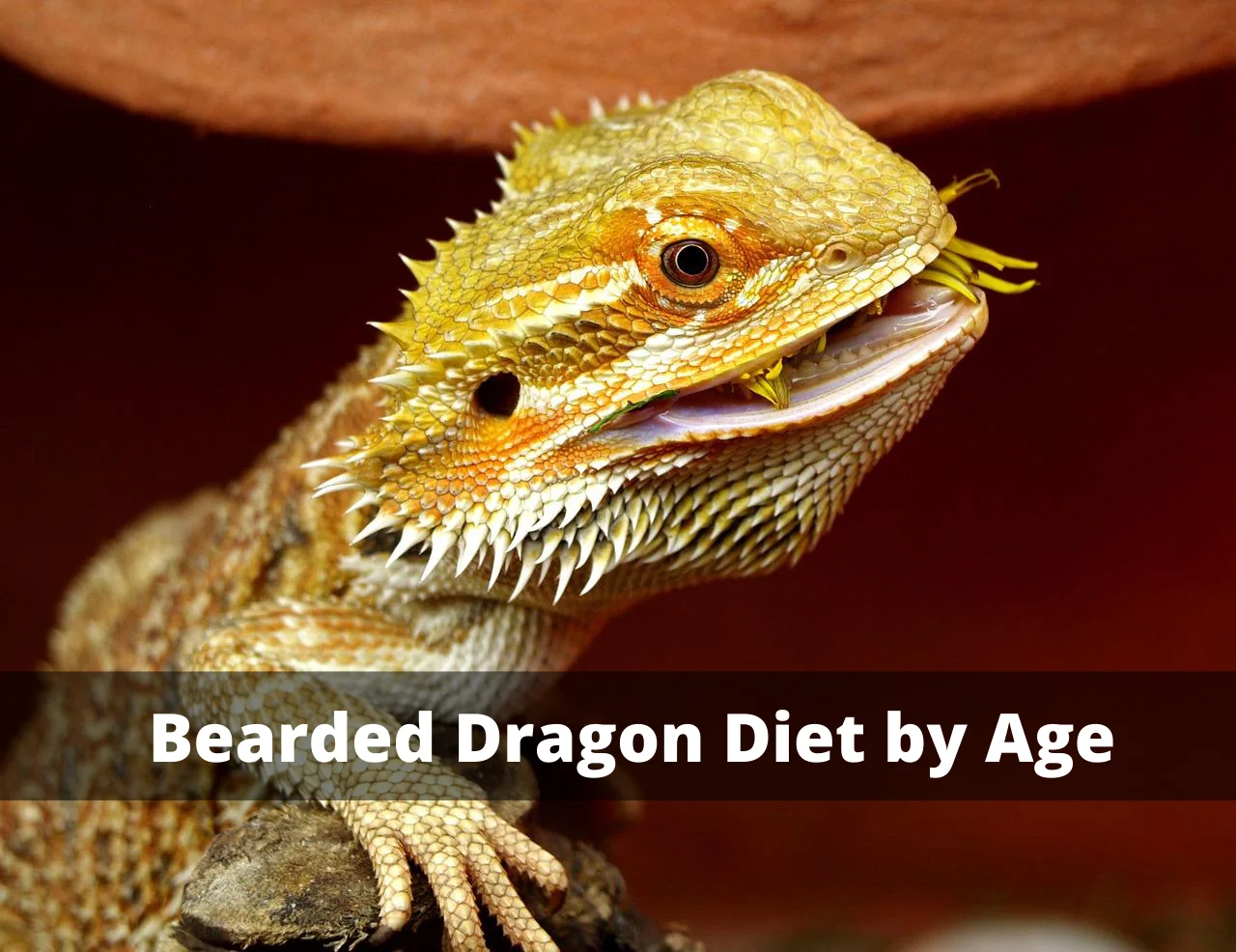
Understanding the Needs of Aging Bearded Dragons
As bearded dragons age, their nutritional needs shift, and understanding these changes is crucial for their health and longevity. Senior bearded dragons, typically those over 5-7 years old, experience a slower metabolism and reduced activity levels, influencing their dietary requirements. Proper adjustments can significantly impact their quality of life, helping them maintain a healthy weight, strong bones, and overall vitality. This guide provides actionable steps to ensure your older dragon thrives during their golden years. It’s essential to observe your dragon’s behavior, appetite, and physical condition to make informed dietary decisions, and of course, consult with a reptile veterinarian for personalized advice tailored to your pet’s specific needs. Recognizing the unique needs of senior dragons ensures they continue to lead happy, fulfilling lives.
Nutritional Changes with Age
The aging process brings about several physiological changes that necessitate dietary modifications. Muscle mass often decreases, while the ability to efficiently digest food may decline. This is a normal part of the aging process but requires attention. As bearded dragons age, their bodies might become less efficient at processing certain nutrients, making it vital to adjust the diet to ensure they receive optimal nourishment without overburdening their digestive systems. Lowering the overall caloric intake, while still providing essential nutrients, is often necessary to prevent obesity. It’s important to closely monitor your dragon’s weight and body condition score, making adjustments as needed to maintain a healthy physique. This requires a balanced approach that considers protein, vegetable intake, and supplementation.


Protein Requirements
Protein remains an essential part of a bearded dragon’s diet, even as they age, however, the ratio and source can be adjusted. While younger dragons require a higher protein intake for growth, senior dragons need less to maintain muscle mass and prevent weight gain. High-quality protein sources, such as insects like dubia roaches and black soldier fly larvae, should still be offered but in reduced quantities. Consider the ease of digestion; softer-bodied insects are preferable to those with hard exoskeletons. Overfeeding protein can lead to health issues, including kidney problems. It’s crucial to balance protein with a higher proportion of vegetables to ensure a well-rounded diet. Always monitor your dragon’s feces; any changes could signal dietary issues.
Adjusting Vegetable Intake
Vegetables are a critical component of a senior bearded dragon’s diet, providing essential vitamins, minerals, and fiber. As the dragon ages, the vegetable to insect ratio should increase. Focus on easily digestible and nutrient-rich options. Dark leafy greens, like collard greens, mustard greens, and dandelion greens, are excellent choices. Avoid vegetables high in oxalates, which can hinder calcium absorption. Offer a variety of colorful vegetables to ensure a broad spectrum of nutrients. Finely chop or grate vegetables to make them easier to eat, especially if your dragon has dental problems. Consistent vegetable consumption is essential to preventing constipation, a common issue in senior dragons, and maintaining overall health.
Hydration and Dietary Adjustments
Adequate hydration is paramount, and dietary adjustments can play a crucial role in maintaining proper hydration. Senior dragons are more susceptible to dehydration, so ensuring they drink enough water is essential. Offer fresh water daily in a shallow dish, and consider providing water in multiple locations within the enclosure. Increase the moisture content of their diet by adding hydrating foods like cucumber (in moderation) or by misting vegetables before feeding. Soaking vegetables or adding a small amount of water to their food can also assist with hydration, and can help prevent constipation. Monitoring the urates, which should be white and not yellow, is a good indicator of hydration levels. Dehydration can exacerbate existing health problems, so it needs to be taken seriously.
Supplementation for Senior Dragons
Supplementation often becomes necessary to ensure senior bearded dragons receive all essential nutrients. Aging dragons may not absorb nutrients as efficiently, necessitating extra support. Carefully consider which supplements are best, and always consult with a veterinarian before making changes. This includes the use of Calcium and D3 supplements and also multi-vitamins. Supplementation can address deficiencies and support overall health but should not be overdone, as excess vitamins can be harmful. Regular veterinary checkups are also essential, as your vet can assess your dragon’s needs and recommend suitable supplements.
Calcium and Vitamin D3
Calcium and Vitamin D3 are crucial for bone health and calcium absorption. As bearded dragons age, maintaining strong bones becomes even more important. Dust insects and vegetables with a calcium and Vitamin D3 supplement regularly. The frequency depends on the dragon’s individual needs, which your veterinarian can help determine. Proper UVB lighting is also essential for Vitamin D3 synthesis, so ensure the UVB bulb is appropriate for your dragon’s enclosure size and is replaced regularly, as per the manufacturer’s instructions. Without proper UVB lighting, supplementation is less effective.
Multivitamins
A multivitamin supplement can help fill any nutritional gaps in the diet, providing essential vitamins and minerals that may be lacking. Look for a reptile-specific multivitamin and follow the dosage instructions carefully. Avoid over-supplementing, as excessive amounts of certain vitamins can be harmful. Monitor your dragon for any signs of vitamin toxicity, such as lethargy or changes in appetite. Multivitamins are most effective when combined with a well-balanced diet and regular veterinary checkups. Choose high-quality supplements from reputable brands to ensure the best results.
Feeding Frequency and Portion Size

As bearded dragons age, their metabolism slows, and their activity levels often decrease. This necessitates adjustments to feeding frequency and portion sizes to prevent weight gain. Reduce the frequency of feeding, and offer smaller portions to avoid overfeeding. Instead of daily feedings of insects, switch to feeding 2-3 times a week. Vegetables should be available daily, but portion control remains important. Observe your dragon’s body condition and adjust food portions accordingly. Overweight dragons are more prone to health problems, making it essential to manage their weight through controlled feeding. Consistent monitoring and adjustments ensure optimal health.
Monitoring Weight and Body Condition
Regularly monitoring your senior bearded dragon’s weight and body condition is critical for detecting potential health issues early. Weigh your dragon weekly, using a digital kitchen scale, and track the weight over time. Any significant weight loss or gain can indicate underlying problems and require veterinary attention. In addition to weight, assess the dragon’s body condition score. The tail base, hip bones, and spine should not be overly prominent. A healthy dragon should have a slight fat covering over these areas. If your dragon is too thin, increase the food portions or modify the diet. If your dragon is overweight, reduce the portions. Consulting with your veterinarian to determine the appropriate weight and body condition is advisable.
The Importance of Regular Vet Checkups
Regular veterinary checkups are more important than ever for senior bearded dragons. Senior dragons are prone to various health issues, and regular checkups can help detect and address them early. A reptile veterinarian can perform a thorough physical examination, check for parasites, and conduct blood tests to assess organ function. The vet can also provide personalized dietary recommendations and advice on supplementation. During checkups, discuss any changes in your dragon’s behavior, appetite, or physical condition. At the very least, senior bearded dragons should have checkups every six months, or more frequently, depending on their health. Early detection and treatment are key to managing age-related health problems.
Common Health Issues in Senior Dragons
Senior bearded dragons are more prone to certain health issues, which must be watched carefully. Some of the common ailments include arthritis, dental problems, and kidney disease. Early detection and prompt treatment are crucial for managing these conditions and improving the dragon’s quality of life. Learn to recognize the signs of these conditions and seek veterinary care immediately if you suspect a problem. This includes observing your dragon’s mobility, eating habits, and overall behavior. A proactive approach to health can help senior dragons live longer and more comfortably.

Arthritis and Mobility
Arthritis is a common issue in senior bearded dragons, often causing stiffness, pain, and reduced mobility. Watch for signs such as reluctance to move, limping, or difficulty climbing or basking. Consult with your veterinarian for a diagnosis and treatment plan. Treatment may include pain management medication, joint supplements, and modifications to the enclosure to make it easier for the dragon to move around. Providing a warm basking spot and ensuring the dragon’s enclosure is free of obstacles can also help. Maintaining a healthy weight can reduce stress on the joints. A comfortable and accessible environment can help improve your dragon’s mobility and comfort.
Dental Problems
Dental problems are also common in senior dragons, including tooth loss, gum disease, and difficulty eating. Regular dental checkups by a veterinarian are essential to prevent and address these issues. Dental problems can lead to a decreased appetite and overall health decline. Offer soft foods, such as finely chopped vegetables and insects. Ensure your dragon has access to fresh water to keep the mouth clean. If your dragon struggles to eat, consult your veterinarian for possible treatment options, such as dental scaling or tooth removal. Regular dental care is crucial to keeping a bearded dragon healthy.

Creating a Comfortable Feeding Environment
Creating a comfortable feeding environment can significantly impact a senior bearded dragon’s ability to eat and enjoy their meals. Consider the ease of access to food and water dishes. Place food dishes at ground level, so your dragon doesn’t have to climb. A shallow water dish is easier to use, especially if your dragon has mobility issues. Maintain a comfortable temperature in the enclosure, as this influences appetite and digestion. Ensure the enclosure is clean and free of stressors. Sometimes, a change in feeding location or presentation can stimulate appetite. These small modifications can make a big difference in your dragon’s ability to eat and stay healthy during their senior years. A relaxed dragon is a happier dragon!

